




Tactic movements are _____
A) Phototropic and seismonastic
B) Phototactic, thermotactic and chemotactic
C) Geotactic and thigmotactic
D) None of the above
Answer
 Verified
620.4k+ views
Hint: Like animals, plants also respond to various types of stimuli and they show their response in terms of movements. These movements are clearly observable in some plants while in some these are too slow to be observed.
Complete answer:
The movement of locomotion in plants in response to the different types of stimuli is known as a tactic movement. These are of three types – Phototactic, Chemotactic and Thermotactic for the stimuli related to light, chemical, and heat respectively. The tactic movements in plants are induced by those stimuli which are generally unidirectional and the direction is controlled by the direction of the stimulus.
Additional information:
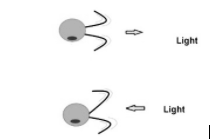
>Phototactic movements occur in response to a unidirectional light and are seen in zoospores, free-swimming alga, and gametes when they swim towards or away from the light source.
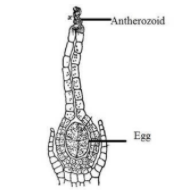
>Chemotactic movements are the responses against chemical stimuli and are seen in antherozoids of bryophytes and pteridophytes while travelling towards the egg.
The thermotactic movement is in response to the thermal stimuli and is seen in algae as it moves from colder to warmer places.
So, the correct answer is ‘Phototactic, thermotactic and chemotactic’.
Note: Seismonastic movements are non-directional movements of plants in response to stimuli like electrical, chemical, pressure, touch, heat, etc. These movements are often the result of a change in turgor pressure in the plant cells.
Phototropism is a type of tropic movement in plants that occurs in response to the light and this response is mainly in the form of root and shoot growth which is regulated by some plant hormones.
Complete answer:
The movement of locomotion in plants in response to the different types of stimuli is known as a tactic movement. These are of three types – Phototactic, Chemotactic and Thermotactic for the stimuli related to light, chemical, and heat respectively. The tactic movements in plants are induced by those stimuli which are generally unidirectional and the direction is controlled by the direction of the stimulus.
Additional information:
>Phototactic movements occur in response to a unidirectional light and are seen in zoospores, free-swimming alga, and gametes when they swim towards or away from the light source.
>Chemotactic movements are the responses against chemical stimuli and are seen in antherozoids of bryophytes and pteridophytes while travelling towards the egg.
The thermotactic movement is in response to the thermal stimuli and is seen in algae as it moves from colder to warmer places.
So, the correct answer is ‘Phototactic, thermotactic and chemotactic’.
Note: Seismonastic movements are non-directional movements of plants in response to stimuli like electrical, chemical, pressure, touch, heat, etc. These movements are often the result of a change in turgor pressure in the plant cells.
Phototropism is a type of tropic movement in plants that occurs in response to the light and this response is mainly in the form of root and shoot growth which is regulated by some plant hormones.
Recently Updated Pages
Master Class 12 Business Studies: Engaging Questions & Answers for Success

Master Class 12 Chemistry: Engaging Questions & Answers for Success
Master Class 12 Biology: Engaging Questions & Answers for Success
Class 12 Question and Answer - Your Ultimate Solutions Guide
Master Class 11 English: Engaging Questions & Answers for Success
Master Class 11 Maths: Engaging Questions & Answers for Success
Trending doubts
Which is more stable and why class 12 chemistry CBSE
Which are the Top 10 Largest Countries of the World?
Draw a labelled sketch of the human eye class 12 physics CBSE
Differentiate between homogeneous and heterogeneous class 12 chemistry CBSE
What are the major means of transport Explain each class 12 social science CBSE
Sulphuric acid is known as the king of acids State class 12 chemistry CBSE