




Pouched or marsupium containing mammals are
(a)Prototheria
(b)Metatheria
(c)Eutheria
(d)Theria
Answer
 Verified
605.4k+ views
Hint: This is a mammalian clade that includes all mammals more closely related to marsupials (pouched animals) than to placentals. This was first said by the famous scientist Thomas Henry Huxley in 1880, it is a slightly more inclusive group than the marsupials; it contains all marsupials as well as many extinct non-marsupial relatives.
Complete answer:
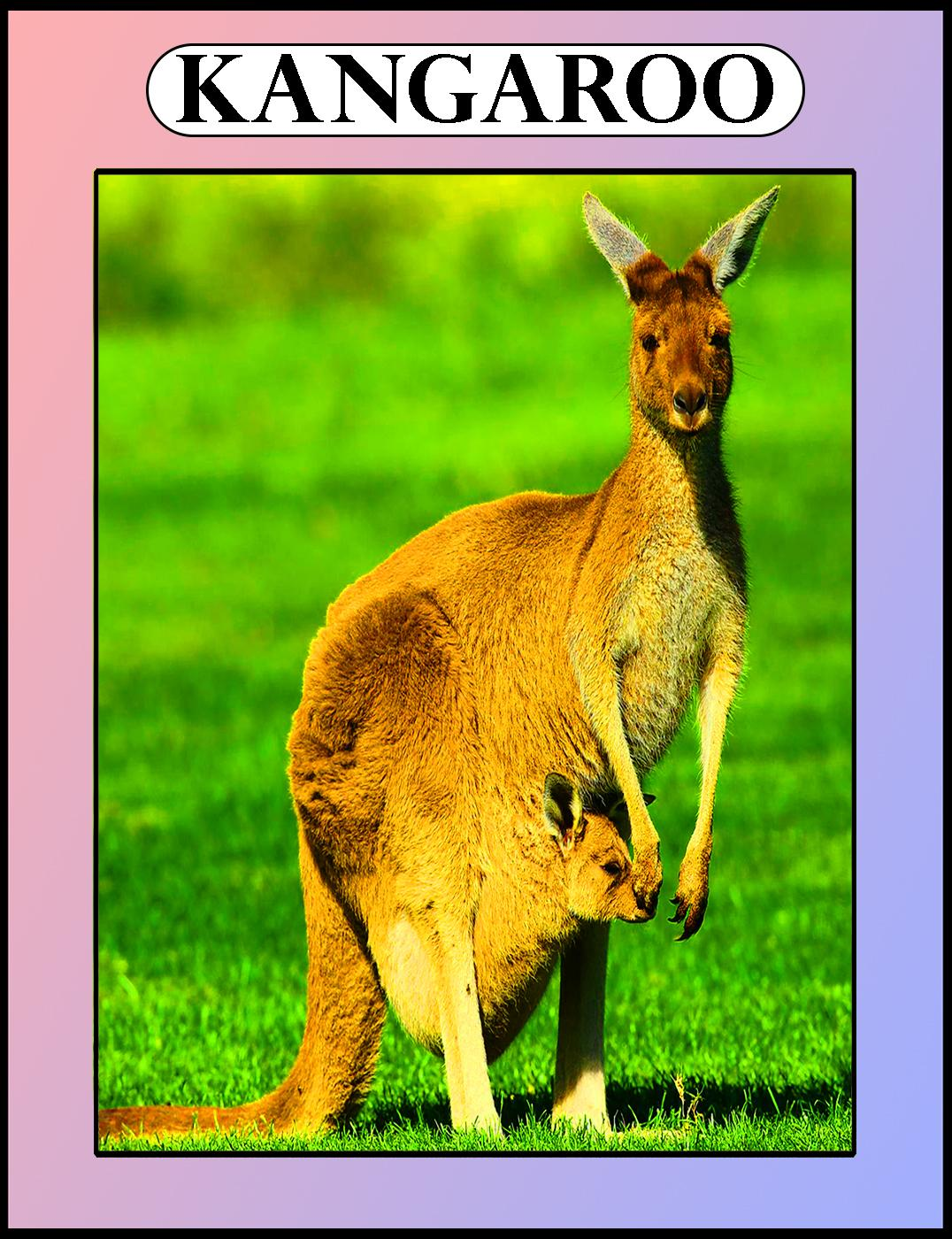
Metatherians are mammals which are also called marsupials. Most of the marsupials or the pouched mammals are found mainly in Central and South America and in Australia. They are called marsupials due to the presence of a marsupium or pouch on their bodies. This group consists of many animals like kangaroos, wombat, macropods, etc.
Additional Information:
Prototheria consists of egg-laying animals. Metatherians are characterized by the presence of their abdominal pouch to carry their unmatured young ones for some time after birth. There are few similarities between the prototherians and metatherians, that is, they have a cloaca, presence of epipubic bones attached to pubis, absence of true allantoic placenta and tympanic bulla. The absence of corpus callosum is also a noted point in the case of both of these groups.
So, the correct answer is 'Metatheria'.
Note: Mammals can be mainly divided into 3 subclasses, namely Prototheria, Metatheria and Eutheria. In Eutheria, mammals give birth to their well-matured young ones directly without any lag, Whereas in the case of Metatheria, mammals give birth to their immature young ones and the maturation process of these young ones occurs in the pouches of their mothers, i.e., they stay in their mother pouch until they get matured enough. In Prototheria, mammals lay an egg. Eutheria consists of 19 orders. Metatheria consists of 7 orders. Prototheria consists of only one order. Humans, dogs are examples of subclass Eutheria. Marsupials and kangaroos are examples of Metatheria subclass. Platypus and echidna are examples of Prototheria subclass.
Complete answer:
Metatherians are mammals which are also called marsupials. Most of the marsupials or the pouched mammals are found mainly in Central and South America and in Australia. They are called marsupials due to the presence of a marsupium or pouch on their bodies. This group consists of many animals like kangaroos, wombat, macropods, etc.
Additional Information:
Prototheria consists of egg-laying animals. Metatherians are characterized by the presence of their abdominal pouch to carry their unmatured young ones for some time after birth. There are few similarities between the prototherians and metatherians, that is, they have a cloaca, presence of epipubic bones attached to pubis, absence of true allantoic placenta and tympanic bulla. The absence of corpus callosum is also a noted point in the case of both of these groups.
So, the correct answer is 'Metatheria'.
Note: Mammals can be mainly divided into 3 subclasses, namely Prototheria, Metatheria and Eutheria. In Eutheria, mammals give birth to their well-matured young ones directly without any lag, Whereas in the case of Metatheria, mammals give birth to their immature young ones and the maturation process of these young ones occurs in the pouches of their mothers, i.e., they stay in their mother pouch until they get matured enough. In Prototheria, mammals lay an egg. Eutheria consists of 19 orders. Metatheria consists of 7 orders. Prototheria consists of only one order. Humans, dogs are examples of subclass Eutheria. Marsupials and kangaroos are examples of Metatheria subclass. Platypus and echidna are examples of Prototheria subclass.
Recently Updated Pages
Master Class 11 English: Engaging Questions & Answers for Success

Master Class 11 Maths: Engaging Questions & Answers for Success
Class 11 Question and Answer - Your Ultimate Solutions Guide
Master Class 11 Biology: Engaging Questions & Answers for Success
Master Class 11 Physics: Engaging Questions & Answers for Success
Master Class 11 Accountancy: Engaging Questions & Answers for Success
Trending doubts
Differentiate between an exothermic and an endothermic class 11 chemistry CBSE
One Metric ton is equal to kg A 10000 B 1000 C 100 class 11 physics CBSE
Difference Between Prokaryotic Cells and Eukaryotic Cells
There are 720 permutations of the digits 1 2 3 4 5 class 11 maths CBSE
Draw a diagram of a plant cell and label at least eight class 11 biology CBSE
1 Quintal is equal to a 110 kg b 10 kg c 100kg d 1000 class 11 physics CBSE