




Plasma membrane is a
A. Permeable
B. Selectively permeable
C. Impermeable
D. Semi-permeable
Answer
 Verified
635.1k+ views
Hint:Plasma membrane is also called cell membrane. The plasma membrane or the cell membrane surrounds the cell and encloses its contents of cytoplasm and nucleoplasm. It separates the cell from the outside environment.
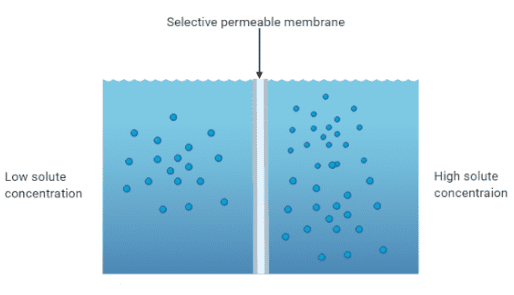
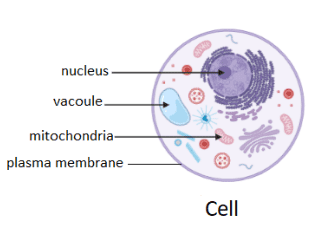
Complete answer: Permeability can be defined as the degree of diffusion of liquids, gases, and other dissolved substances through a membrane. This ability of a substance to regulate passage through the membrane is called permeability. Depending upon the permeability of the membrane, it is classified as a freely permeable membrane, selectively permeable membrane, impermeable membrane, and a semi-permeable membrane. The selectively permeable membrane or differentially permeable membrane allows passage of only selected molecules to pass through it. Some of the examples of the selectively permeable membrane are the membrane that surrounds the subcellular organelles, tonoplast, and cell membrane. Cellophane is an example of a non-living selectively permeable membrane. The rate of permeability of different molecules differs in selectively permeable membranes. Plasma membrane which is also called cell membrane is selectively permeable as it only allows selected molecules of solute and solvent to pass through it.
So, option B is the correct option.
Note: Freely permeable membrane allows passage of various molecules through the membrane. The cell wall is an example of a freely permeable membrane. The impermeable membrane does not allow any kind of movement through it. A Cutinized cell wall is an example of an impermeable membrane. A semi-permeable membrane allows passage of only solvent molecules to pass through it. The animal bladder, parchment membrane are examples of semi-permeable membranes. Apart from natural membranes, artificial membranes are also present that are semi-permeable in nature.
Complete answer: Permeability can be defined as the degree of diffusion of liquids, gases, and other dissolved substances through a membrane. This ability of a substance to regulate passage through the membrane is called permeability. Depending upon the permeability of the membrane, it is classified as a freely permeable membrane, selectively permeable membrane, impermeable membrane, and a semi-permeable membrane. The selectively permeable membrane or differentially permeable membrane allows passage of only selected molecules to pass through it. Some of the examples of the selectively permeable membrane are the membrane that surrounds the subcellular organelles, tonoplast, and cell membrane. Cellophane is an example of a non-living selectively permeable membrane. The rate of permeability of different molecules differs in selectively permeable membranes. Plasma membrane which is also called cell membrane is selectively permeable as it only allows selected molecules of solute and solvent to pass through it.
So, option B is the correct option.
Note: Freely permeable membrane allows passage of various molecules through the membrane. The cell wall is an example of a freely permeable membrane. The impermeable membrane does not allow any kind of movement through it. A Cutinized cell wall is an example of an impermeable membrane. A semi-permeable membrane allows passage of only solvent molecules to pass through it. The animal bladder, parchment membrane are examples of semi-permeable membranes. Apart from natural membranes, artificial membranes are also present that are semi-permeable in nature.
Recently Updated Pages
If x a + bt + ct2 where x is in meters and t is in class 11 physics CBSE

A car covers the first half distance between two places class 11 physics CBSE
The resultant of two vectors overrightarrow P and overrightarrow class 11 physics CBSE
Find the value of cos 135 class 11 maths CBSE
A mass M is held in place by an applied force F and class 11 physics CBSE
A solution of glucose in water is labelled as 10 dfracwv class 11 chemistry CBSE
Trending doubts
One Metric ton is equal to kg A 10000 B 1000 C 100 class 11 physics CBSE
Find the value of the expression given below sin 30circ class 11 maths CBSE
What do you mean by retardation What is its SI uni class 11 physics CBSE
Draw a diagram of nephron and explain its structur class 11 biology CBSE
10 examples of friction in our daily life
Difference between physical and chemical change class 11 chemistry CBSE