




On which of the following effects of current is the use of a fuse based on?
A) Magnetic effect
B) Chemical effect
C) Heating effect
D) Induction effect
Answer
 Verified
587.7k+ views
Hint:The fuse is a device that limits the current flow in a circuit in case of overloading or sudden high fluctuations in voltage. These overloading or sudden high fluctuations cause the circuit to heat up and may even lead to a fire.
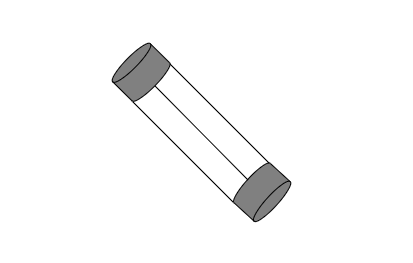
Electrical fuse wire within a casing
Complete step by step answer.
Step 1: Explain the working of a fuse.
When current passes through a wire the temperature of the wire will increase after some time. We say the wire becomes hot. This is because of the conversion of energy i.e., electrical energy into heat energy. This effect of the current is referred to as the heating effect. The different factors that contribute to the heating of the wire are:
-The length of the wire
-The thickness of the wire
-The material of the wire
-The amount of current flowing through the circuit
Now when there is an excess current in the circuit i.e. when the current in the circuit is beyond the circuit’s bearing limit, the circuit overheats. The fuse wire will then melt and break the flow of current in the circuit. The fuse thus helps in preventing damage to the circuit.
Therefore, the fuse is based on the heating effect of current.
Additional information: Excess current in the circuit can occur when many electrical appliances of high power rating (iron box, heater) are connected at the same time. These will then draw large amounts of current from the circuit. This situation is called overloading.
A short circuit is another example of a situation when a high current suddenly passes through the circuit. A positive and a negative wire coming in direct contact with each other results in a short circuit.
Note: The electric fuse consists of a wire made of an alloy or metal that has a low melting point. So, when overloading in the circuit leads to overheating the low melting point of the fuse wire causes it to melt easily and stop the current flow. It has a non-combustible casing and its ends are electrical terminals used to connect it in series so that the whole current flows through it.
Electrical fuse wire within a casing
Complete step by step answer.
Step 1: Explain the working of a fuse.
When current passes through a wire the temperature of the wire will increase after some time. We say the wire becomes hot. This is because of the conversion of energy i.e., electrical energy into heat energy. This effect of the current is referred to as the heating effect. The different factors that contribute to the heating of the wire are:
-The length of the wire
-The thickness of the wire
-The material of the wire
-The amount of current flowing through the circuit
Now when there is an excess current in the circuit i.e. when the current in the circuit is beyond the circuit’s bearing limit, the circuit overheats. The fuse wire will then melt and break the flow of current in the circuit. The fuse thus helps in preventing damage to the circuit.
Therefore, the fuse is based on the heating effect of current.
Additional information: Excess current in the circuit can occur when many electrical appliances of high power rating (iron box, heater) are connected at the same time. These will then draw large amounts of current from the circuit. This situation is called overloading.
A short circuit is another example of a situation when a high current suddenly passes through the circuit. A positive and a negative wire coming in direct contact with each other results in a short circuit.
Note: The electric fuse consists of a wire made of an alloy or metal that has a low melting point. So, when overloading in the circuit leads to overheating the low melting point of the fuse wire causes it to melt easily and stop the current flow. It has a non-combustible casing and its ends are electrical terminals used to connect it in series so that the whole current flows through it.
Recently Updated Pages
Master Class 12 Economics: Engaging Questions & Answers for Success

Master Class 12 Physics: Engaging Questions & Answers for Success
Master Class 12 English: Engaging Questions & Answers for Success
Master Class 12 Social Science: Engaging Questions & Answers for Success
Master Class 12 Maths: Engaging Questions & Answers for Success
Master Class 12 Business Studies: Engaging Questions & Answers for Success
Trending doubts
Which are the Top 10 Largest Countries of the World?
What are the major means of transport Explain each class 12 social science CBSE
Draw a labelled sketch of the human eye class 12 physics CBSE
Why cannot DNA pass through cell membranes class 12 biology CBSE
Differentiate between insitu conservation and exsitu class 12 biology CBSE
Draw a neat and well labeled diagram of TS of ovary class 12 biology CBSE