




Name the venation of neem leaf and mint leaf.
Answer
 Verified
543.9k+ views
Hint: Veins are formed by the vascular tissue within each leaf. The venation pattern refers to the arrangement of veins in a leaf. The venation patterns of monocots and dicots differ. Parallel venation occurs in monocots, where the veins run in straight lines across the length of the leaf without converging.
Complete answer:
Venation is the arrangement of veins in the leaf's lamina. Venation is classified into two types: reticulate venation and parallel venation. Each leaf has a leaf blade called the lamina, which is also the leaf's widest part. A petiole connects some leaves to the plant stem. Sessile leaves are those that lack a petiole and are directly attached to the plant stem. Stipules are small green appendages found at the base of the petiole on leaves. Most leaves have a midrib that runs the length of the leaf and branches to each side to form vascular tissue veins. The margin refers to the leaf's edge.
Veins are a type of vascular tissue that extends from the stem to the tip of the leaves. They are made up of xylem and phloem that surround sclerenchyma and parenchyma with sheath cells. The arrangement of leaves in a leaf is known as venation, and it is found in a wide range of plant species. It is essential for identifying and distinguishing plants based on their characteristics.
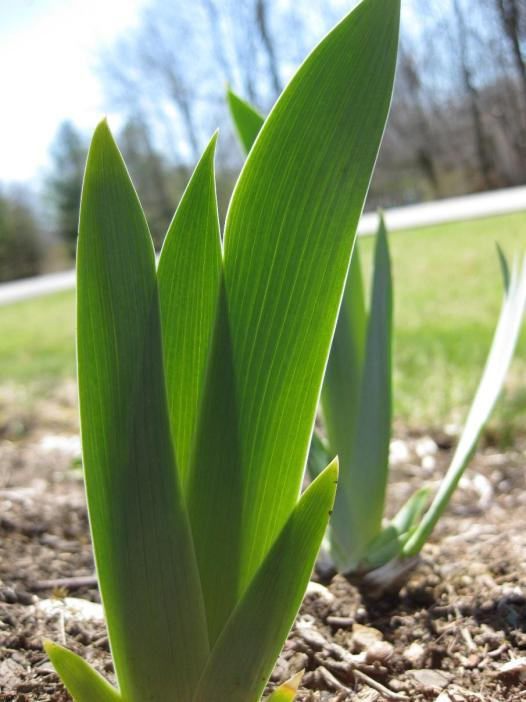
Venation in parallel
Veins are commonly found in monocots and are parallelly arranged with one another.
The presence of mind veins differentiates parallel venation into two types: pinnate parallel venation and unicostate parallel venation. Pinnate parallel venation – veins emerge from an obvious midvein found in the centre of the leaf lamina from the base to the apex, where veins develop perpendicular to the midvein towards the margin and are parallel to each other.
Venation reticulate
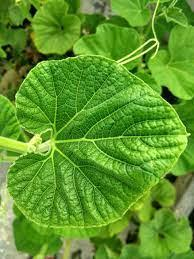
Veins are arranged in a network and are most common in dicots.
It can be divided into two categories:
Pinnate reticulate venation/unicostate reticulate venation – one midvein and all other veins form a mesh-like structure.
Note:
Both Neem and Mint leaves have reticulate venation, which means that the veins Venation is the pattern of veins in a leaf blade. Veins are made up of vascular tissues that aid in the transport of food and water. Leaf veins run from the blade to the petiole and from the petiole to the stem. run parallel from the base to the tip of the leaf.
Complete answer:
Venation is the arrangement of veins in the leaf's lamina. Venation is classified into two types: reticulate venation and parallel venation. Each leaf has a leaf blade called the lamina, which is also the leaf's widest part. A petiole connects some leaves to the plant stem. Sessile leaves are those that lack a petiole and are directly attached to the plant stem. Stipules are small green appendages found at the base of the petiole on leaves. Most leaves have a midrib that runs the length of the leaf and branches to each side to form vascular tissue veins. The margin refers to the leaf's edge.
Veins are a type of vascular tissue that extends from the stem to the tip of the leaves. They are made up of xylem and phloem that surround sclerenchyma and parenchyma with sheath cells. The arrangement of leaves in a leaf is known as venation, and it is found in a wide range of plant species. It is essential for identifying and distinguishing plants based on their characteristics.
Venation in parallel
Veins are commonly found in monocots and are parallelly arranged with one another.
The presence of mind veins differentiates parallel venation into two types: pinnate parallel venation and unicostate parallel venation. Pinnate parallel venation – veins emerge from an obvious midvein found in the centre of the leaf lamina from the base to the apex, where veins develop perpendicular to the midvein towards the margin and are parallel to each other.
Venation reticulate
Veins are arranged in a network and are most common in dicots.
It can be divided into two categories:
Pinnate reticulate venation/unicostate reticulate venation – one midvein and all other veins form a mesh-like structure.
Note:
Both Neem and Mint leaves have reticulate venation, which means that the veins Venation is the pattern of veins in a leaf blade. Veins are made up of vascular tissues that aid in the transport of food and water. Leaf veins run from the blade to the petiole and from the petiole to the stem. run parallel from the base to the tip of the leaf.
Recently Updated Pages
Master Class 11 English: Engaging Questions & Answers for Success

Master Class 11 Social Science: Engaging Questions & Answers for Success
Master Class 11 Maths: Engaging Questions & Answers for Success
Master Class 11 Biology: Engaging Questions & Answers for Success
Master Class 11 Physics: Engaging Questions & Answers for Success
Master Class 11 Chemistry: Engaging Questions & Answers for Success
Trending doubts
One Metric ton is equal to kg A 10000 B 1000 C 100 class 11 physics CBSE
Difference Between Prokaryotic Cells and Eukaryotic Cells
Find the value of the expression given below sin 30circ class 11 maths CBSE
Difference between physical and chemical change class 11 chemistry CBSE
Two of the body parts which do not appear in MRI are class 11 biology CBSE
Draw a diagram of a plant cell and label at least eight class 11 biology CBSE