



Genetic material of the prokaryotic cell is
(a) Non-historic double-stranded DNA
(b) Histrionic double-stranded DNA
(c) Histone and DNA both are absent
(d) Histone without DNA
Answer
 Verified
625.5k+ views
Hint:The nuclear region of these cells is poorly defined. They lack a true nucleus because of the absence of a nuclear membrane.
Complete answer:The genetic material of the prokaryotic cell is nonhistone double-stranded DNA.
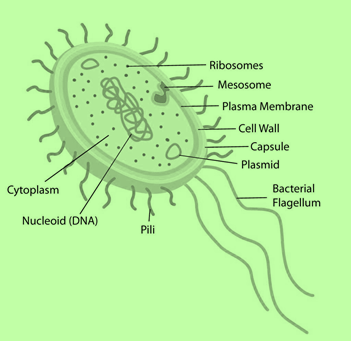
The DNA of these cells is naked i.e. it is not associated with histone proteins for additional packaging of DNA. The genome in the prokaryotic cells is present inside the DNA/protein complex in the cytosol. The complex comprises a single, cyclic, double-stranded molecule of stable chromosomal DNA.
In many prokaryotic cells, there is a separate circular DNA structure called plasmids. Plasmids are different from the chromosomal DNA that provides genetic advantages in specific environments. Plasmids are capable of self-replication and can autonomously synthesize proteins. They are the ideal vectors for gene manipulation in genetic engineering.
Additional information:1. Prokaryotes do not have mitochondria and chloroplast.
2. In prokaryotes, the exchange of plasmids occurs via their sex pili, and the process is known as bacterial conjugation.
3. Prokaryotes contain a cell wall that acts as an extra layer of protection.
4. Prokaryotes lack membrane-bound cell organelles.
5. They also contain flagella that help in motility.
6. Prokaryotic cells are unicellular organisms.
7. They contain ribosomes in their structure where protein synthesis takes place.
So, the correct answer is ‘Non-historic double-stranded DNA’.
Note:1. The cell wall of the prokaryotic cell is made up of peptidoglycan.
2.Eukaryotes contain complex cells in which the genetic material is present in a membrane-bound nucleus.
3. Nucleoid is the irregular shaped region inside a prokaryotic cell where the genetic material is present.
Complete answer:The genetic material of the prokaryotic cell is nonhistone double-stranded DNA.
The DNA of these cells is naked i.e. it is not associated with histone proteins for additional packaging of DNA. The genome in the prokaryotic cells is present inside the DNA/protein complex in the cytosol. The complex comprises a single, cyclic, double-stranded molecule of stable chromosomal DNA.
In many prokaryotic cells, there is a separate circular DNA structure called plasmids. Plasmids are different from the chromosomal DNA that provides genetic advantages in specific environments. Plasmids are capable of self-replication and can autonomously synthesize proteins. They are the ideal vectors for gene manipulation in genetic engineering.
Additional information:1. Prokaryotes do not have mitochondria and chloroplast.
2. In prokaryotes, the exchange of plasmids occurs via their sex pili, and the process is known as bacterial conjugation.
3. Prokaryotes contain a cell wall that acts as an extra layer of protection.
4. Prokaryotes lack membrane-bound cell organelles.
5. They also contain flagella that help in motility.
6. Prokaryotic cells are unicellular organisms.
7. They contain ribosomes in their structure where protein synthesis takes place.
So, the correct answer is ‘Non-historic double-stranded DNA’.
Note:1. The cell wall of the prokaryotic cell is made up of peptidoglycan.
2.Eukaryotes contain complex cells in which the genetic material is present in a membrane-bound nucleus.
3. Nucleoid is the irregular shaped region inside a prokaryotic cell where the genetic material is present.
Figure: Structure of prokaryotic cells
Recently Updated Pages
Master Class 11 English: Engaging Questions & Answers for Success

Master Class 11 Social Science: Engaging Questions & Answers for Success
Master Class 11 Maths: Engaging Questions & Answers for Success
Master Class 11 Biology: Engaging Questions & Answers for Success
Master Class 11 Physics: Engaging Questions & Answers for Success
Master Class 11 Chemistry: Engaging Questions & Answers for Success
Trending doubts