




Find out how many minerals are used in a light bulb?
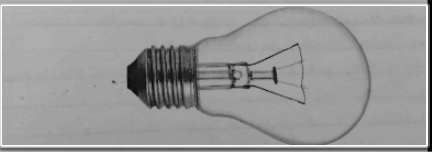
Answer
 Verified
580.5k+ views
Hint: Lights contain various non-metallic minerals and metallic minerals. Also other intermittent gases and nonmineral materials.
Complete step-by-step solution:
Minerals used in light bulbs are copper, aluminum, nickel, molybdenum, and trona.
1. Copper: Copper is a metallic mineral substance, and is utilized in the creation of electric lights since it conducts power well indeed. Copper, along with nickel, is utilized to make the wires that lead into the primary body of the bulb.
2. Aluminum: Aluminum is a metallic mineral found in plenitude in the world's outside layer and agreeing with Georgia State University's Department of Physics and Astronomy, aluminum is the third most plentiful component found on earth.
Nickel: Nickel is a metallic white mineral utilized in lights since it doesn't consume. Additionally, when blended in with iron, nickel makes a compound that is utilized to make the inward stem wiring of the bulb.
3. Molybdenum: Molybdenum is utilized to make the help wires for the fiber in lights. Molybdenum is a metallic mineral that happens normally in the world's covering and in the seas.
4. Trona: Trona, otherwise called soft drink debris, is an evaporite mineral. This implies the mineral structures as the aftereffect of dissipated water or fluid or through the cycle of disintegration from the rock.
Note: A significant number of these minerals are found in wealth in nature and in the human body. Most minerals should be mined from rock or from the world's dirt. Minerals are utilized in lights to make the glass, the component that permits it to light, and the fuel to produce the power.
Complete step-by-step solution:
Minerals used in light bulbs are copper, aluminum, nickel, molybdenum, and trona.
1. Copper: Copper is a metallic mineral substance, and is utilized in the creation of electric lights since it conducts power well indeed. Copper, along with nickel, is utilized to make the wires that lead into the primary body of the bulb.
2. Aluminum: Aluminum is a metallic mineral found in plenitude in the world's outside layer and agreeing with Georgia State University's Department of Physics and Astronomy, aluminum is the third most plentiful component found on earth.
Nickel: Nickel is a metallic white mineral utilized in lights since it doesn't consume. Additionally, when blended in with iron, nickel makes a compound that is utilized to make the inward stem wiring of the bulb.
3. Molybdenum: Molybdenum is utilized to make the help wires for the fiber in lights. Molybdenum is a metallic mineral that happens normally in the world's covering and in the seas.
4. Trona: Trona, otherwise called soft drink debris, is an evaporite mineral. This implies the mineral structures as the aftereffect of dissipated water or fluid or through the cycle of disintegration from the rock.
Note: A significant number of these minerals are found in wealth in nature and in the human body. Most minerals should be mined from rock or from the world's dirt. Minerals are utilized in lights to make the glass, the component that permits it to light, and the fuel to produce the power.
Recently Updated Pages
Master Class 11 English: Engaging Questions & Answers for Success

Master Class 11 Social Science: Engaging Questions & Answers for Success
Master Class 11 Maths: Engaging Questions & Answers for Success
Master Class 11 Biology: Engaging Questions & Answers for Success
Master Class 11 Physics: Engaging Questions & Answers for Success
Master Class 11 Chemistry: Engaging Questions & Answers for Success
Trending doubts
In Indian rupees 1 trillion is equal to how many c class 8 maths CBSE
What is BLO What is the full form of BLO class 8 social science CBSE
What are the 12 elements of nature class 8 chemistry CBSE
Citizens of India can vote at the age of A 18 years class 8 social science CBSE
Which of the following leader has given the term insensate class 8 social science CBSE
Name the states through which the Tropic of Cancer class 8 social science CBSE