




During hybridization offsprings with hybrid vigor superior to both parents are self-pollinated for a few successive generations to
(A) Retain their parental characters
(B) Remove their parental characters
(C) Get homozygosity
(D) Segregate characters
Answer
 Verified
583.8k+ views
Hint: Offsprings are self-pollinated for successive generations to achieve a genetic state in which an individual has inherited the same sequence of DNA for a specific gene from both i.e male and female parents.
Complete answer:
Offsprings are self-pollinated for successive generations to Get homozygosity. The same allele is inherited from both the parents.
Homozygous alleles can be dominant or recessive.
A homozygous dominant allele combination contains two dominant alleles and expresses the dominant phenotype A homozygous recessive allele combination contains two recessive alleles and expresses the recessive phenotype.
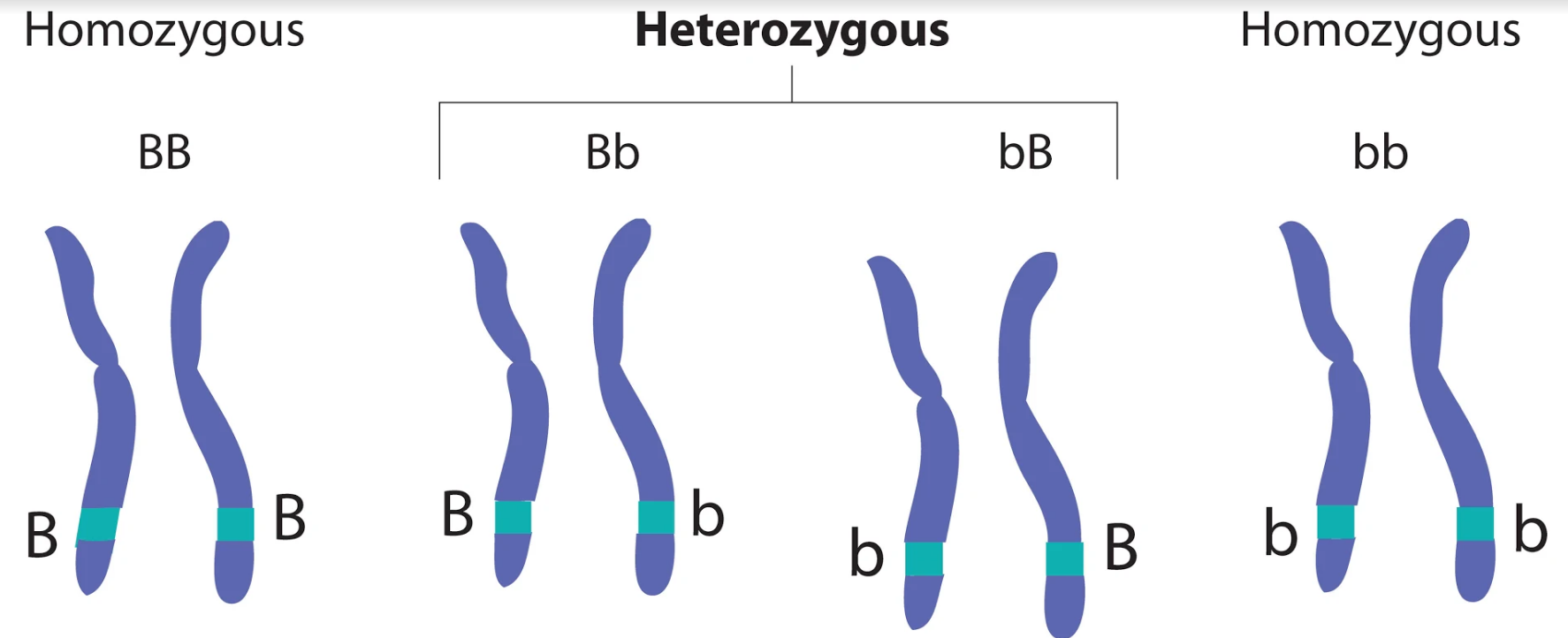
It can easily be explained with the example of the pea plant. The gene for seed shape in pea plants exists in two forms, one form (or allele) for round seed shape (R) and therefore the other for wrinkled seed shape (r). The round seed shape is dominant and therefore the wrinkled seed shape is recessive. A homozygous plant contains either of the subsequent alleles for seed shape: (RR) or (rr). The (RR) genotype is homozygous dominant and therefore the (rr) genotype is homozygous recessive for seed shape.
For example, a woman who is homozygous for CF (cystic fibrosis) received the CF gene from both of her parents and thus she has cystic fibrosis.
So, the correct answer is ‘Get homozygosity'.
Note: As humans possess two copies of every chromosome, they have two copies of every gene and loci on those chromosomes. Each of those trait-encoding genes (or loci) is named an allele. If the alleles match, the person is homozygous for that trait.
Complete answer:
Offsprings are self-pollinated for successive generations to Get homozygosity. The same allele is inherited from both the parents.
Homozygous alleles can be dominant or recessive.
A homozygous dominant allele combination contains two dominant alleles and expresses the dominant phenotype A homozygous recessive allele combination contains two recessive alleles and expresses the recessive phenotype.
It can easily be explained with the example of the pea plant. The gene for seed shape in pea plants exists in two forms, one form (or allele) for round seed shape (R) and therefore the other for wrinkled seed shape (r). The round seed shape is dominant and therefore the wrinkled seed shape is recessive. A homozygous plant contains either of the subsequent alleles for seed shape: (RR) or (rr). The (RR) genotype is homozygous dominant and therefore the (rr) genotype is homozygous recessive for seed shape.
For example, a woman who is homozygous for CF (cystic fibrosis) received the CF gene from both of her parents and thus she has cystic fibrosis.
So, the correct answer is ‘Get homozygosity'.
Note: As humans possess two copies of every chromosome, they have two copies of every gene and loci on those chromosomes. Each of those trait-encoding genes (or loci) is named an allele. If the alleles match, the person is homozygous for that trait.
Recently Updated Pages
Master Class 12 Economics: Engaging Questions & Answers for Success

Master Class 12 Physics: Engaging Questions & Answers for Success
Master Class 12 English: Engaging Questions & Answers for Success
Master Class 12 Social Science: Engaging Questions & Answers for Success
Master Class 12 Maths: Engaging Questions & Answers for Success
Master Class 12 Business Studies: Engaging Questions & Answers for Success
Trending doubts
Which are the Top 10 Largest Countries of the World?
What are the major means of transport Explain each class 12 social science CBSE
Draw a labelled sketch of the human eye class 12 physics CBSE
Why cannot DNA pass through cell membranes class 12 biology CBSE
Differentiate between insitu conservation and exsitu class 12 biology CBSE
Draw a neat and well labeled diagram of TS of ovary class 12 biology CBSE