



What is Green Diwali and How Can You Celebrate It Sustainably?
Green Diwali, observed during the annual festival of lights in India (Diwali), stands for the conscious choice to celebrate in an environmentally responsible manner. In 2025, Diwali falls on October 20th. This observance highlights the urgent need to reduce air and noise pollution caused by traditional firecrackers and non-biodegradable decorations. Green Diwali focuses on simple, sustainable methods—using green crackers, natural décor, homemade organic food, and spreading environmental awareness. As cities worldwide battle rising pollution levels during festivities, choosing an eco-friendly Diwali protects health, sustains resources, and keeps tradition alive with compassion for people, animals, and the Earth.
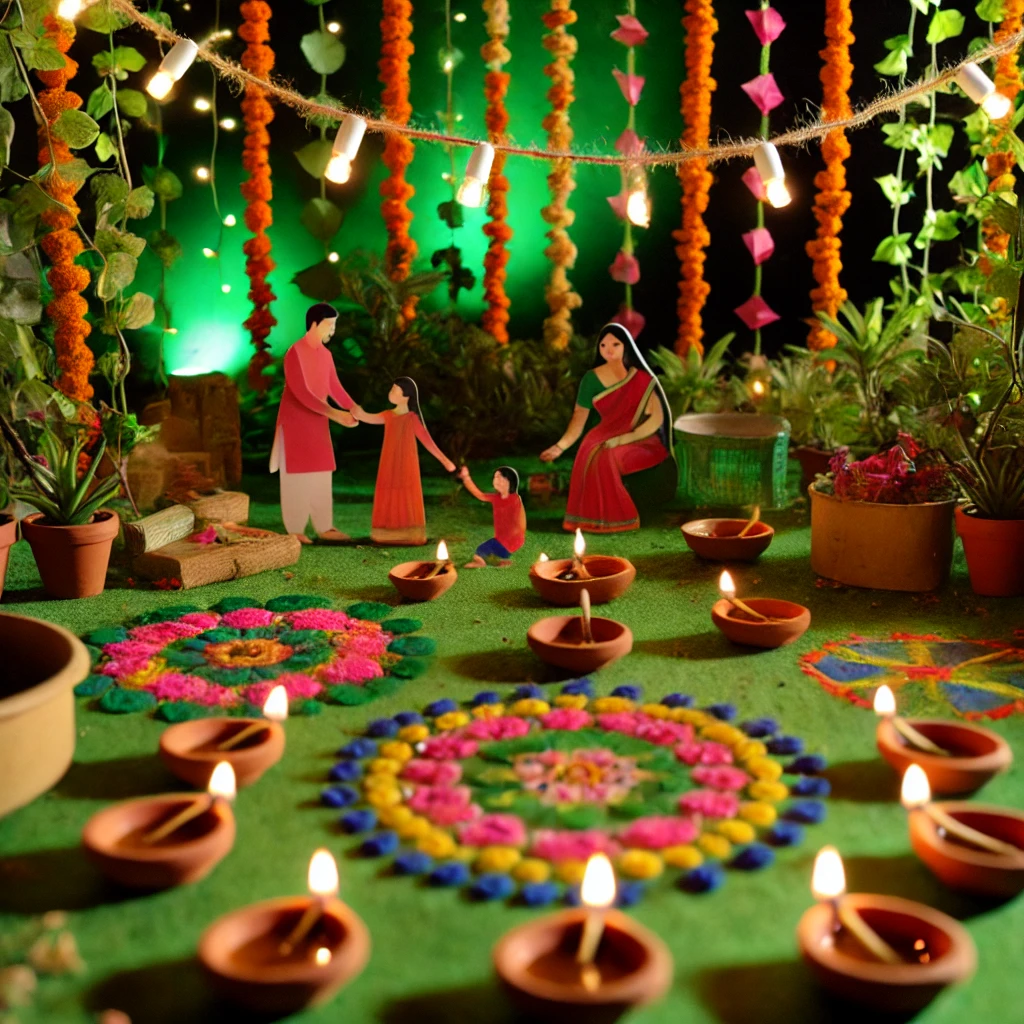
History and Origin
The Green Diwali movement began in the late 2000s, responding to alarming data on air quality declines and health issues related to festival pollution in India’s major cities. Non-profit organizations, student coalitions, and environmental activists launched awareness campaigns urging people to opt for safer, less polluting celebrations. A turning point was the introduction of “green crackers” and regulatory guidelines to phase out traditional firecrackers. Over time, Green Diwali’s philosophy spread through schools, community groups, and digital media, transforming how millions recognize the festival’s impact on nature and public health.
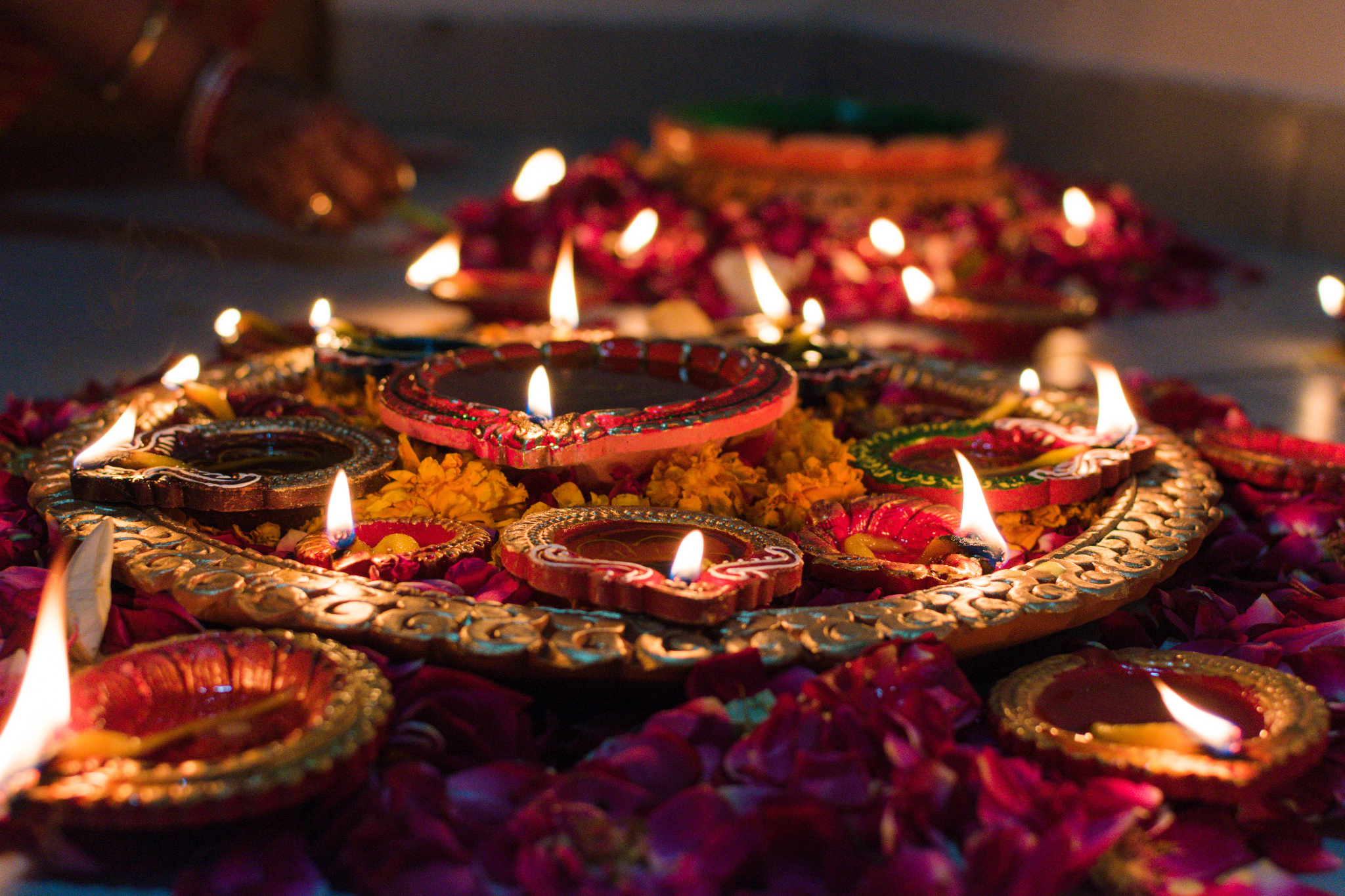
10 Easy Ways to Celebrate an Eco-Friendly Green Diwali
- Launching eco-awareness campaigns, including poster-making, slogan contests, and creative workshops for students and families.
- Government advisories and NGO-driven drives for adopting eco friendly diwali activities like using green crackers and natural décor materials.
- Online initiatives: digital greetings, themed hashtags, DIY green Diwali video tutorials, and social media awareness posters.
- Public participation: clean-up drives, gifting plants, organizing donation events for the underprivileged, and holding awareness rallies.
Use clay diyas, paper lanterns, flowers, and natural colors for rangolis instead of plastic or chemical items.
-
Light up homes with LED lights, solar lamps, or oil diyas to save electricity.
-
Give plants, handmade crafts, organic sweets, or gifts packed in cloth or jute bags instead of plastic.
-
Avoid loud and harmful crackers. If needed, use green crackers that make less noise and pollution.
-
Use eco-friendly plates and cups made of leaves or paper, and avoid single-use plastics by choosing steel or glass.
-
Celebrate with stories, traditional games, singing, dancing, and eco-friendly skits that bring people together without pollution.
Inspiring Quotes and Slogans
- "Brighten lives, not the sky. Celebrate Green Diwali!" – Anonymous
- "Say yes to lamps, no to crackers." – Green Diwali Movement
- "Go Green, Keep Diwali Clean!" – Community Slogan
- "Eco-friendly Diwali is the best Diwali." – Environmental Campaign
- "Let nature rejoice along with you." – Festival Volunteer
- "Light diyas of hope, not smoke." – Awareness Poster
- "Green Diwali, Healthy Tomorrow." – Student Group
- "Spread joy, not pollution this Diwali." – Social Media Campaign
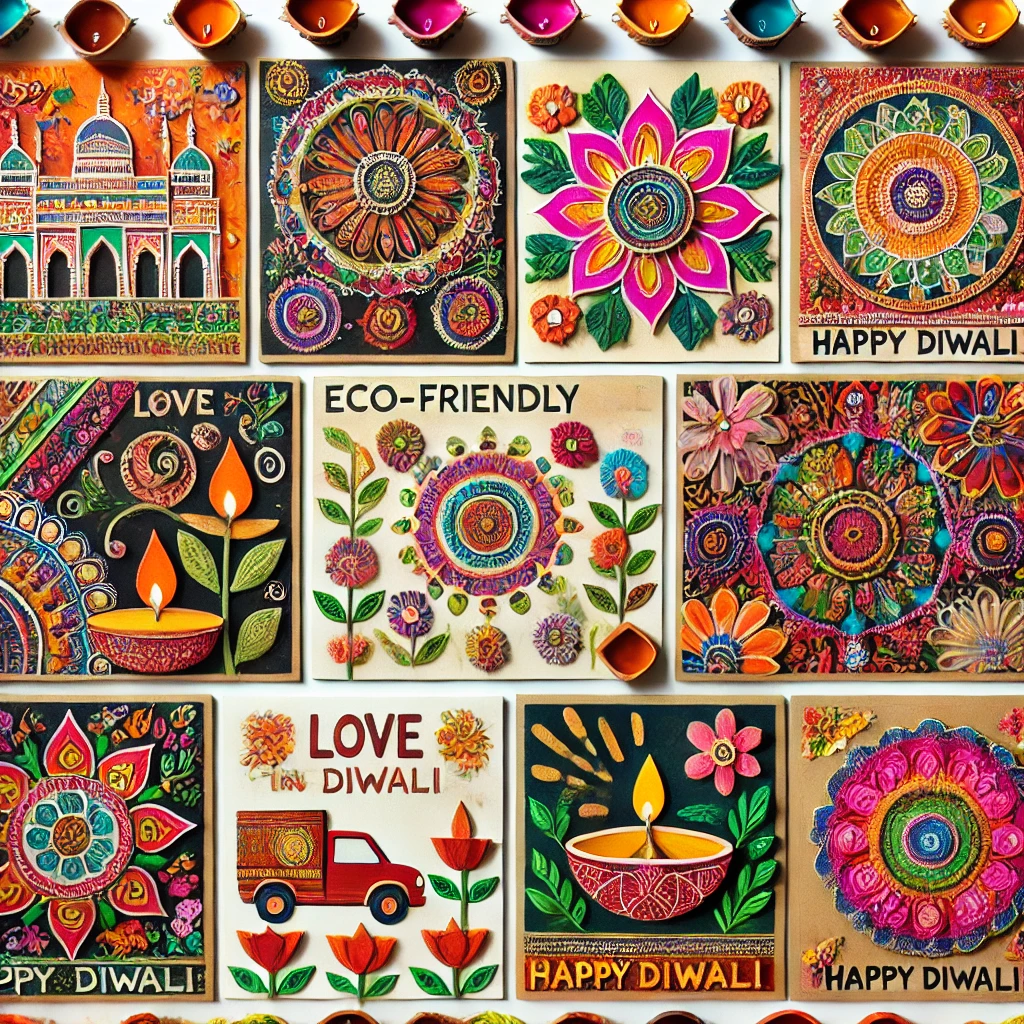
Reflect and Participate
- Write a short speech on why Ways To Celebrate Green Diwali is important today.
- Create a poster or social media post spreading awareness about celebrating Diwali sustainably.
- Discuss with your family or friends how reducing crackers and single-use items can make a difference in your neighborhood.
FAQs on 10 Easy Ways to Celebrate an Eco-Friendly Green Diwali
1. What is Green Diwali and why is it important?
Green Diwali is an eco-friendly way of celebrating the Diwali festival with a focus on environmental care. It is important because it:
- Reduces air and noise pollution by avoiding traditional firecrackers
- Encourages the use of natural, biodegradable decorations
- Promotes responsible energy and resource use
- Raises awareness about protecting nature during festivities
2. What are green crackers for Diwali?
Green crackers are a type of firecracker designed to emit less air and noise pollution compared to conventional fireworks. Key features include:
- Lower emission of harmful chemicals and smoke
- Reduced noise levels
- Certified by regulatory bodies to ensure safety and sustainability
- Marked with a logo and QR code for authenticity
3. How can we celebrate Green Diwali at home?
To celebrate Green Diwali at home:
- Use clay diyas or LED lights instead of firecrackers
- Decorate with natural materials like flowers and leaves
- Gift plants or homemade sweets
- Organise cleanliness drives and eco-awareness activities
- Avoid plastic and single-use items
4. What are some popular Green Diwali slogans?
Popular Green Diwali slogans include:
- "Celebrate Diwali, Celebrate Nature!"
- "Brighten lives, not the sky – Say no to crackers."
- "Go Green, Keep Diwali Clean!"
- "Eco-friendly Diwali is the best Diwali."
5. How can schools promote Green Diwali?
Schools can promote Green Diwali by:
- Conducting poster or slogan competitions
- Organising eco-friendly rangoli contests
- Hosting speeches and essay writing activities on environmental awareness
- Encouraging all students to avoid firecrackers and plastic waste
- Sharing homemade sweets and promoting green gifting
6. What is the official theme for Green Diwali 2025?
The focus for Green Diwali 2025 is: "Celebrate With Care, Celebrate Green". This theme encourages families and communities to make thoughtful choices for the environment while enjoying traditions and spreading eco-awareness.
7. What foods are best for an eco-friendly Diwali?
Eco-friendly Diwali foods are those that are homemade, use local and organic ingredients, and involve minimal packaging. Examples include:
- Baked sweets instead of fried options
- Fresh fruit platters
- Traditional ladoos made with organic nuts and jaggery
- Clay pot-cooked delicacies
8. What are the health and environmental benefits of Green Diwali celebrations?
Green Diwali benefits both health and the environment by:
- Cutting down air and noise pollution from firecrackers
- Limiting respiratory and allergic problems
- Reducing plastic and non-biodegradable waste
- Promoting cleaner surroundings and awareness for future generations
9. What are the main differences between a traditional Diwali and a Green Diwali?
Traditional Diwali celebrations include bursting conventional crackers, extensive decorative lighting, and plastic decor. Green Diwali focuses on:
- Using natural diyas and eco-friendly lights
- Reducing or avoiding firecracker use
- Preferring biodegradable decor
- Conserving energy and water
10. What are the best drawing or poster ideas for Green Diwali?
Green Diwali posters and drawings can include:
- Children lighting diyas and planting saplings
- Earth wrapped with colourful rangoli and plants
- Slogans like "Clean and Green Diwali" with images of eco-friendly celebration
- A family celebrating Diwali without crackers
11. Why are fireworks discouraged on Green Diwali?
Fireworks are discouraged on Green Diwali because they:
- Cause air and noise pollution
- Release harmful chemicals into the environment
- Can harm animals and people with respiratory issues
- Are not sustainable for nature
12. What is the moral message of celebrating Green Diwali?
The moral message of Green Diwali is to respect nature and celebrate responsibly. It teaches that real joy comes from choosing actions that protect the environment and inspire others to do the same.



