



When is Dr. B.R. Ambedkar’s Death Anniversary and Why Its Observed as Mahaparinirvana Diwas?
Mahaparinirvana Diwas, observed annually on 6th December, marks the death anniversary of Dr. B.R. Ambedkar, one of India's most respected social reformers and the chief architect of the Indian Constitution. The day honors his extraordinary contribution to social justice, equality, and the upliftment of the marginalized, resonating deeply with students across the country.
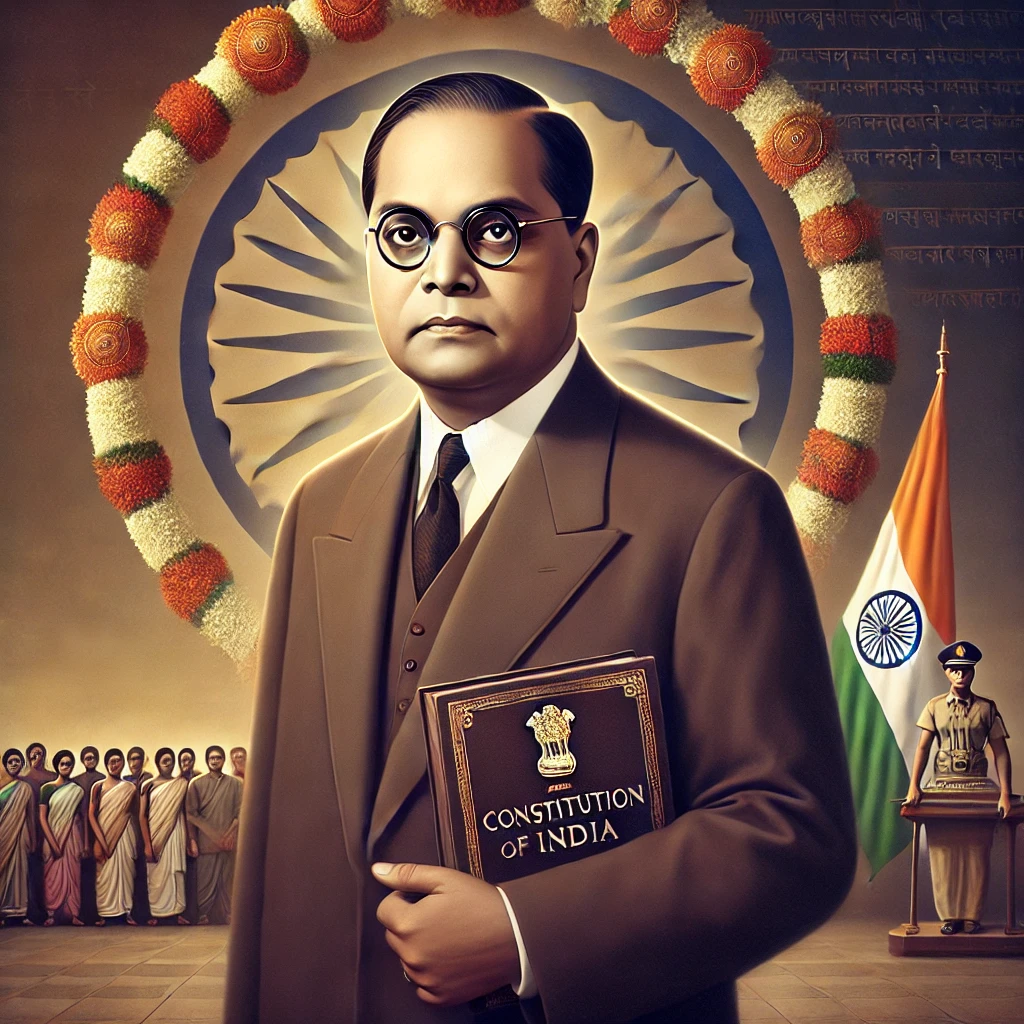
What is Mahaparinirvana Diwas 2025 & When is It Observed?
Building upon the significance attached to Dr. Ambedkar's remembrance, Mahaparinirvana Diwas (also called Mahaparinirvan Din) is observed every year on December 6th, the date of his passing in 1956. In 2025, Mahaparinirvana Diwas will be commemorated on Saturday, 6th December.
History of Mahaparinirvana Diwas
Following the observance date, it is important to understand the origins and context of Mahaparinirvana Diwas. The term “Mahaparinirvana” in Buddhism signifies the ultimate salvation or complete liberation after death, which aligns with Dr. Ambedkar's conversion to Buddhism shortly before his demise.
On 6th December 1956, Dr. Ambedkar attained Mahaparinirvana in Delhi. His funeral procession on 7th December became an event of national mourning, drawing lakhs of followers who paid their final respects at Dadar, Mumbai, where he was ceremonially laid to rest at Chaitya Bhoomi—a site now central to the annual observances.
Significance of Mahaparinirvana Diwas for Students
Transitioning from its historical roots, Mahaparinirvana Diwas continues to inspire students by championing values such as constitutional morality, equality, and pursuit of knowledge. For today’s youth, Dr. Ambedkar’s life story serves as a motivating example of resilience and intellectual achievement against adversity.
Encourages reading and understanding the Indian Constitution and its core principles.
Inspires students to be sensitive towards social justice, inclusivity, and the eradication of discrimination.
Highlights the importance of education as a tool for empowerment and change.
Rituals and Customs of Mahaparinirvana Diwas
To further connect its impact to our lives, Mahaparinirvana Diwas is marked by several meaningful rituals and public practices across India, all aimed at honoring Dr. Ambedkar’s legacy and spreading his message peacefully and inclusively.
Gathering at Chaitya Bhoomi, Mumbai: Large crowds congregate at Dr. Ambedkar’s resting place, offering floral tributes, reciting Buddhist prayers, and engaging in silent reflection. Removing shoes before entering and behaving respectfully are standard etiquette.
Reading and Discussing Dr. Ambedkar's Works: Many schools, colleges, and institutions hold seminars and readings from Dr. Ambedkar’s books to promote awareness and understanding. Participation is often open and encourages respectful dialogue.
Buddhist Chanting and Meditation: Followers, especially those who have adopted Buddhism, participate in collective chanting and peaceful meditation, reflecting on rights, justice, and compassion for all.
Community Service Activities: Donating books, organising free medical camps, and supporting educational workshops commonly take place, highlighting service and equality.
Regional Celebrations Across India: Variations and Names
Moving from nationwide customs, it’s noteworthy that Mahaparinirvana Diwas holds distinct forms of expression across Indian regions. In Maharashtra, especially Mumbai and Nagpur, it assumes massive scale, while in Delhi, Ambedkar memorials become focal points for events.
Maharashtra: Known as “Mahaparinirvana Din”; Chaitya Bhoomi (Mumbai) and Deekshabhoomi (Nagpur) see lakhs of participants. “Bhim Sainiks” (followers) undertake processions and organize cultural programs.
Uttar Pradesh: Observed at Dr. Ambedkar Park, Lucknow, with tributes and awareness rallies.
Delhi: Floral homage and seminars at Parliament and Ambedkar Mahaparinirvan Sthal.
Tamil Nadu & Karnataka: Memorial meetings and public pledges for equality reflect local customs.
Alternative Widely Used Names: “Mahaparinirvan Din”, “Bhim Nirvan Diwas”, and “Ambedkar Punyatithi”.
How to Participate: Practical Ways for Students in 2025
Building on the diverse rituals and regional observances, students can participate thoughtfully in Mahaparinirvana Diwas 2025 in several impactful ways.
Read about Dr. Ambedkar’s life, works, and legacy to gain deeper knowledge.
Attend or organise a virtual or in-person seminar or essay competition on social justice themes.
Express gratitude and spread awareness on social media channels, using facts and positive messages.
Volunteer for activities such as book drives or tutoring sessions for underprivileged students.
Practice self-reflection on equality, inclusion, and empathy, making a personal pledge against discrimination.
Tips & Etiquette for Observing Mahaparinirvana Diwas
To make each celebration meaningful and responsible, follow these practical tips for eco-friendly, safe, and inclusive participation while balancing academic duties.
If visiting memorials, maintain cleanliness and follow local customs with respect (e.g., removing shoes, observing silence).
Opt for digital tributes or online events to reduce travel, especially when large crowds gather.
Use reusable flowers or digital offerings instead of cutting fresh blooms.
Be inclusive—invite friends of all backgrounds to discussions or study groups on Dr. Ambedkar’s ideas.
Prioritize study commitments by allotting specific time for Mahaparinirvana activities, ensuring academic balance.
Quick Recap and Key Takeaways
To conclude, Mahaparinirvana Diwas in 2025 stands as a day of reflection, learning, and remembrance, reminding students of Dr. Ambedkar’s lifelong pursuit of justice, education, and the constitutional values that continue to guide modern India.
Observed on 6th December, 2025, honoring Dr. Ambedkar’s death anniversary.
A day promoting social justice, equality, and educational empowerment.
Rich with community-centered rituals and opportunities for positive student participation.
Best observed with inclusivity, eco-consciousness, and a balance between remembrance and personal growth.
Related Articles
Here are some useful links related to this topic.
Armed Forces Flag Day (7 Dec) – Explore how India honors the sacrifices of its armed forces.
International Anti-Corruption Day (9 Dec) – Understand global efforts toward promoting transparency.
Human Rights Day (10 Dec) – Learn how rights and justice align with Ambedkar’s values.
Nobel Prize Day (10 Dec) – Discover global achievements recognized by the Nobel Prize.
FAQs on Mahaparinirvana Diwas 2025: Significance, History, and Ways to Observe
1. What is Mahaparinirvana Diwas?
Mahaparinirvana Diwas is observed on 6 December every year to commemorate the death anniversary of Dr. B.R. Ambedkar. It marks his journey towards social justice, equality, and the upliftment of marginalized communities in India.
2. Why is Dr. Ambedkar's death anniversary called Mahaparinirvan Diwas?
Dr. Ambedkar's death anniversary is known as Mahaparinirvan Diwas because the term 'Mahaparinirvana' in Buddhism signifies ultimate liberation or complete nirvana, which aligns with Dr. Ambedkar's belief in equality and spiritual freedom.
3. When is Mahaparinirvana Diwas observed?
Mahaparinirvana Diwas is observed annually on 6th December to honor the memory and contributions of Dr. B.R. Ambedkar.
4. What is the significance of Mahaparinirvan Din?
Mahaparinirvan Din is significant as it remembers Dr. Ambedkar's pivotal role in drafting the Indian Constitution and his relentless fight for social justice, equality, and the rights of Dalits. The day inspires people to promote justice and remove discrimination from society.
5. How is Mahaparinirvana Diwas observed in India?
Mahaparinirvana Diwas is observed through various activities, such as:
- Prayers and tributes at memorials like Chaitya Bhoomi in Mumbai
- Speeches and essay competitions in schools and institutions
- Processions and seminars highlighting Ambedkar's teachings
- Sharing quotes, posters, and wishes in honor of his legacy
6. What happened on 6 December 1956?
On 6 December 1956, Dr. B.R. Ambedkar passed away in Delhi. His death is observed as Mahaparinirvana Diwas in recognition of his immense contribution to Indian society, law, and social reforms.
7. What does 'Mahaparinirvana' mean in Buddhism?
Mahaparinirvana in Buddhism refers to the final liberation or ultimate freedom from the cycle of birth and death. It symbolizes complete spiritual liberation, which Dr. Ambedkar sought through his adoption of Buddhism.
8. How do you wish someone on Mahaparinirvan Din?
You can wish someone on Mahaparinirvan Din by sharing inspirational quotes, respectful messages, or greetings like:
- “Remembering Dr. B.R. Ambedkar’s vision for equality and justice on Mahaparinirvana Diwas.”
- “Let us follow Babasaheb’s path towards social harmony. Mahaparinirvan Diwas wishes!”
9. Where is the main celebration of Mahaparinirvana Diwas held?
The main celebration of Mahaparinirvana Diwas takes place at Chaitya Bhoomi in Dadar, Mumbai, where lakhs of Ambedkar followers gather each year to pay homage to his memory.
10. What are some famous quotes by Dr. B.R. Ambedkar?
Here are some well-known Dr. B.R. Ambedkar quotes:
- “Life should be great rather than long.”
- “Cultivation of mind should be the ultimate aim of human existence.”
- “I measure the progress of a community by the degree of progress which women have achieved.”
11. Which social reforms are associated with Dr. Ambedkar?
Dr. B.R. Ambedkar led several major social reforms in India, including:
- Advocating for the abolition of untouchability
- Formulating constitutional safeguards for marginalized groups
- Promoting education and empowerment for Dalits and women
12. How can students observe Mahaparinirvan Din at school?
Students can observe Mahaparinirvan Din by participating in:
- Speech and essay competitions on Dr. Ambedkar’s life and contributions
- Poster-making and slogan-writing activities
- Organizing group discussions and special assemblies focusing on equality and social justice



