






How to Practise Dividing Into Equal Parts Easily for Kids
Section 1: Tick (✓) the shape that is divided into equal parts.
1. Which rectangle is divided into equal parts?
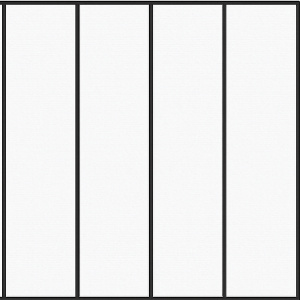
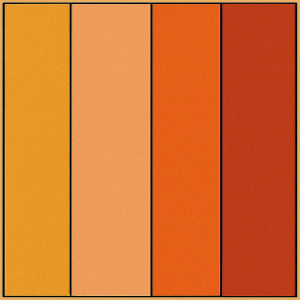
2. Which circle is divided into equal parts?
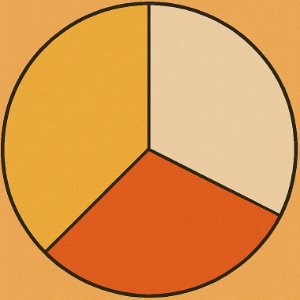
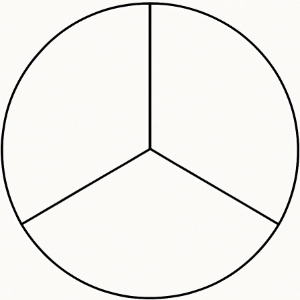
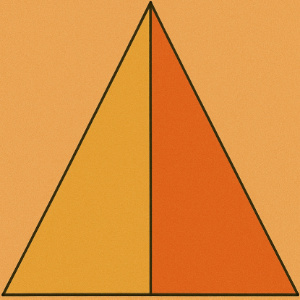
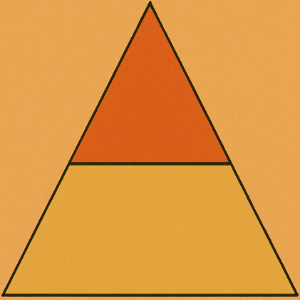
3. Which triangle is divided into equal parts?
Section 2: Multiple Choice Questions (MCQs)
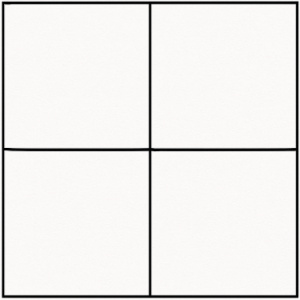
4. How many equal parts is this square divided into?
a) 2
b) 3
c) 4
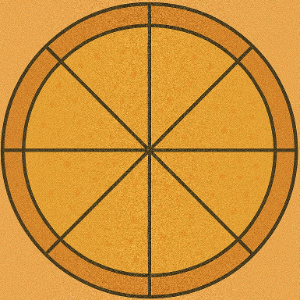
5. Look at the pizza. How many equal slices are there?
a) 6
b) 8
c) 10
6. This bread loaf is cut into how many equal parts?
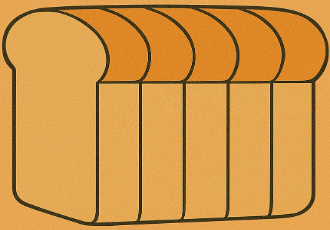
a) 5
b) 4
c) 6
Section 3: True or False
7. This shape is divided into 2 equal parts.
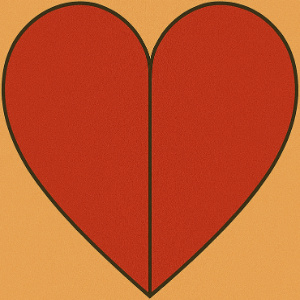
True / False
8. This shape is divided into 4 equal parts.
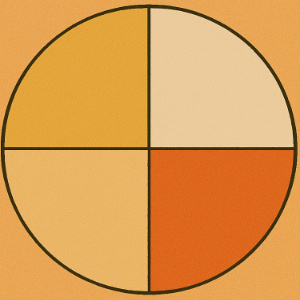
True / False
Section 4: Fill in the Blanks
9. This chocolate bar has ___________ equal squares.
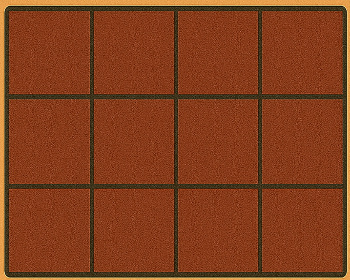
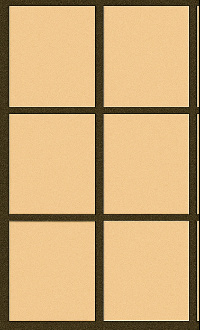
10. This window is divided into ___________ equal panes.
Section 5: Match the Columns
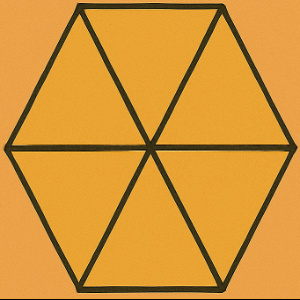
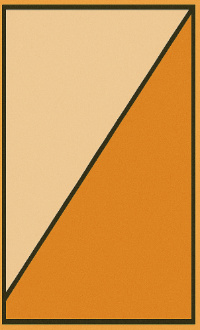
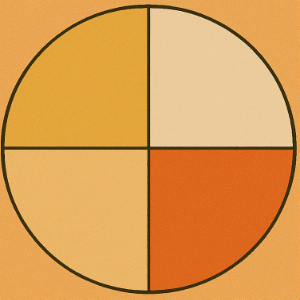
11. Match the shape to the number of its equal parts.
Section 6: Draw the Lines
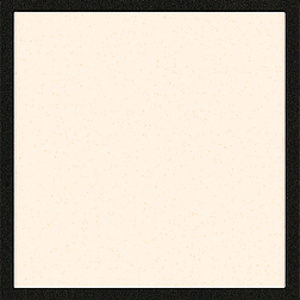
12. Draw one line to divide this square into 2 equal parts.
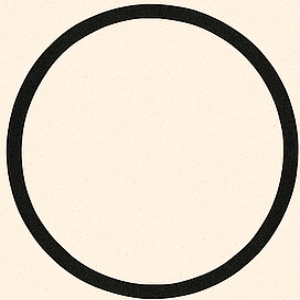
13. Draw lines to divide this circle into 4 equal parts.
Answer Key
The first rectangle should be ticked.
The second circle should be ticked.
The first triangle should be ticked.
c) 4
b) 8
a) 5
True
False
12
6
1-c, 2-a, 3-b
A single line drawn vertically, horizontally, or diagonally through the center of the square.
One vertical line and one horizontal line crossing at the center of the circle (like a plus sign).
How This Worksheet Helps You Learn?
This Class 1 Maths Divide Equal Parts worksheet provides young students with a strong foundation in understanding how to divide shapes and objects into equal sections. Using activities based on partitioning and equal sharing, the printable worksheet encourages hands-on practice with division concepts suitable for Grade 1. By working with visual division, partitioning worksheet tasks, and simple instructions, children learn to identify and create equal parts using real-life examples.
How This Worksheet Helps
Designed for early learners, this division worksheet for Class 1 helps students master the basics of dividing shapes and objects into equal parts. The included PDF practice sheet uses clear visuals and child-friendly activities that make learning to partition shapes both fun and effective. By focusing on equal sharing and dividing in equal parts, this resource encourages confidence in maths for Grade 1 students.
Usage Tips for Parents/Teachers
- Guide your child to read the instructions aloud, then discuss how to divide everyday items (like fruit or toys) into equal parts.
- Encourage colouring or circling shapes after dividing to help visualise the concept of equal partitions.
- Use the worksheet as a classroom warm-up or as home revision to reinforce school lessons on division and partitioning shapes.
- Check answers together and talk about why parts must be the same size for a shape to be divided equally.
Explore Related Worksheets
- Class 1 Maths Worksheets Chapter 9
- Class 2 Maths Worksheets Chapter 13 (Partitioning Shapes)
- Class 1 Maths Worksheets Chapter 6
- Division Facts Worksheets
- Class 1 Maths Worksheets
What You Learned
On this page, you explored how to divide in equal parts with a focus on partitioning shapes and learning through practice worksheets. The class 1 maths divide equal parts worksheet covered activities like drawing lines to split shapes, colouring, and identifying equal divisions, helping to build early maths skills. Parents and teachers found easy ways to guide and support children using this printable worksheet. Downloading the PDF worksheet strengthens a child’s understanding of dividing objects equally and sets a strong foundation for future maths topics.
FAQs on Divide Shapes and Objects into Equal Parts: Class 1 Maths Worksheet
1. How do you do divide for class 1?
For Class 1 students, division is introduced as the simple concept of equal sharing or dividing into equal parts, using pictures and shapes rather than complex calculations.
- Visual Partitioning: Students learn by drawing lines to split shapes like circles and squares into equal halves or quarters.
- Grouping Objects: This division worksheet for class 1 includes activities like circling groups of items to show how a larger set can be shared equally.
- Real-life Examples: The concept is connected to everyday situations, such as sharing candies among friends so everyone gets the same amount.
2. What is dividing shapes into equal parts?
Dividing shapes into equal parts means splitting a shape into two or more sections that are all exactly the same size and shape.
- Two Equal Parts (Halves): For example, drawing one line through the centre of a circle creates two equal halves.
- Four Equal Parts (Quarters): Drawing two lines through the centre of a square creates four equal quarters.
- Unequal Parts: If the sections are of different sizes after splitting, they are considered unequal. This worksheet helps students visually identify the difference.
3. How can this 'divide in equal parts' worksheet for Class 1 help my child?
This worksheet helps Class 1 students build a strong foundational understanding of division by making the concept of equal sharing visual and interactive.
- Builds Conceptual Clarity: It uses engaging activities like colouring and drawing to teach partitioning shapes, making the abstract idea of division concrete.
- Prepares for Fractions: Understanding equal parts is the first and most important step towards learning fractions like halves (1/2) and quarters (1/4) in later grades.
- Reinforces Learning: It is a perfect tool for practice and revision of concepts taught in school, helping to strengthen early maths skills.
4. Is this Class 1 Maths worksheet printable?
Yes, this Class 1 Maths worksheet on dividing into equal parts is designed as a free printable PDF that you can easily download.
- The format is optimised for standard A4 paper, ensuring all visuals and instructions are clear after printing.
- Parents and teachers can print multiple copies for classroom activities or practice at home.
- The mobile-friendly preview allows you to see the worksheet before you download and print.
5. How can I teach my 7-year-old division using this worksheet?
You can effectively teach your 7-year-old (Grade 1) the basics of division by using this worksheet as a fun, hands-on tool.
- Start with a Real Object: Before using the worksheet, cut an apple or a chapati into equal parts to demonstrate the concept physically.
- Guide Them Through Activities: Work on the first few questions together, showing how to draw a line to create equal halves or quarters.
- Use Simple Language: Focus on terms like “equal sharing” and “fair shares” to make the concept relatable and easy to understand.
6. What skills does this equal sharing Class 1 worksheet build?
This worksheet is designed to build several crucial early maths skills and cognitive abilities for Class 1 students.
- Mathematical Foundation: It introduces the core concept of division through visual partitioning and the idea of sharing equally.
- Spatial Reasoning: Students develop the ability to mentally visualise and divide shapes and objects into equal sections.
- Problem-Solving Skills: Activities that require identifying correctly partitioned shapes enhance analytical thinking.
- Fraction Readiness: It lays the essential groundwork for understanding fractions, a key topic in later grades.
7. Can this worksheet be used on a tablet?
Yes, while this worksheet is designed for printing, it can also be used digitally on a tablet or computer.
- You can download the PDF worksheet and open it in a PDF reader or an annotation app on your device.
- Students can use a stylus or the app's drawing tool to complete the activities, such as drawing lines to partition shapes.
- This offers a paper-free and interactive way to practice dividing into equal parts.
8. Does this worksheet on partitioning shapes for Class 1 include answers?
Yes, an answer key is typically included with the partitioning shapes worksheet to help parents and teachers quickly check a child's work.
- The answer key will show the correct way to divide each shape into the required number of equal parts.
- It helps in easily verifying the answers for all activities, making it simple to provide immediate feedback.
- This ensures that children can correct any misunderstandings they have about the concept of equal sharing.
9. What is the difference between equal parts and unequal parts?
The main difference is that equal parts are all exactly the same size, while unequal parts are of different sizes.
- Equal Parts: Imagine a chocolate bar broken into four squares of the same size. These are four equal parts, representing a fair share.
- Unequal Parts: If the same chocolate bar is broken into four pieces of different sizes, they are unequal parts.
- This division worksheet for Class 1 helps children learn to visually tell the difference between the two.
10. How does learning to divide shapes into equal parts help with learning fractions?
Learning to divide shapes into equal parts is the most important foundation for understanding what fractions represent.
- Visualising Fractions: A fraction like 1/2 (one-half) is understood as one piece out of two equal parts. Without this concept, fractions are just numbers.
- Understanding the Denominator: The act of partitioning a whole into 2, 3, or 4 equal sections directly relates to the denominator (the bottom number) of a fraction.
- Building a Strong Base: This partitioning worksheet builds the visual and conceptual skills needed before a child can work with fractions numerically.
