




Write any two differences between gymnosperms and angiosperms.
Answer
 Verified
647.4k+ views
Hint: Angiosperms are flowering plants while gymnosperms are non-flowering plants. Also, angiosperms bear both monocot and dicot seeds whereas gymnosperms bear doctor seeds
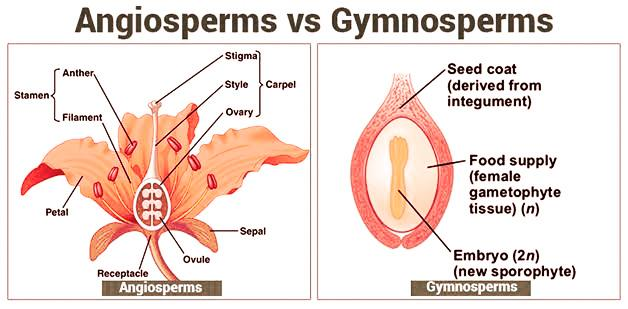
Complete answer: The word angiosperm is derived from Greek meaning containers. The term gymnosperm is also derived from Greek, but on the other hand, it means naked seeds. Both of them are vascular plants. Angiosperms are hugely widespread and are more adaptive to terrestrial habitats. However, gymnosperm plants were present 200 million years before the angiosperm plants.
The following are the two differences between them:
Note:
1. The primary difference between angiosperms and gymnosperms is diversity, which is greater in the former than the latter.
2. Angiosperms are also known as Angiospermae or Magnoliophyta.
3. Gymnosperms are also known as Acrogymnospermae.
4. Angiosperms are used in medications, food, clothing whereas gymnosperms are used for paper and lumber.
5. For reproduction angiosperms mainly rely on pollinators and gymnosperms rely on wind to help in the dispersal of seeds for reproduction.
Complete answer: The word angiosperm is derived from Greek meaning containers. The term gymnosperm is also derived from Greek, but on the other hand, it means naked seeds. Both of them are vascular plants. Angiosperms are hugely widespread and are more adaptive to terrestrial habitats. However, gymnosperm plants were present 200 million years before the angiosperm plants.
The following are the two differences between them:
| Angiosperms | Gymnosperms |
| Angiosperms are flowering plants with a seasonal lifecycle. The seeds produced by them are enclosed within an ovary. These plants have triploid tissue. | Gymnosperms are non-flowering plants with an evergreen lifecycle. The seeds produced by them are unenclosed or naked, often configured as cones. These plants have haploid tissue. |
| The leaves of these plants are flat in shape. | Leaves of these are scale-like and needle-like in shape. |
Some examples are mangoes, roses, etc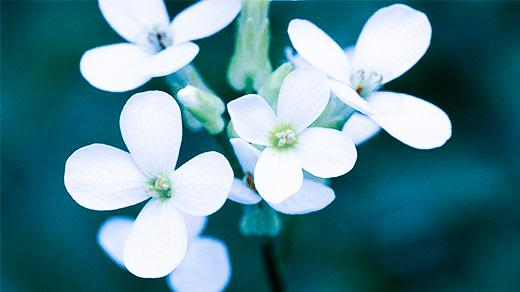
| Some examples are conifers, cycads, Ginkgo, and gnetophyte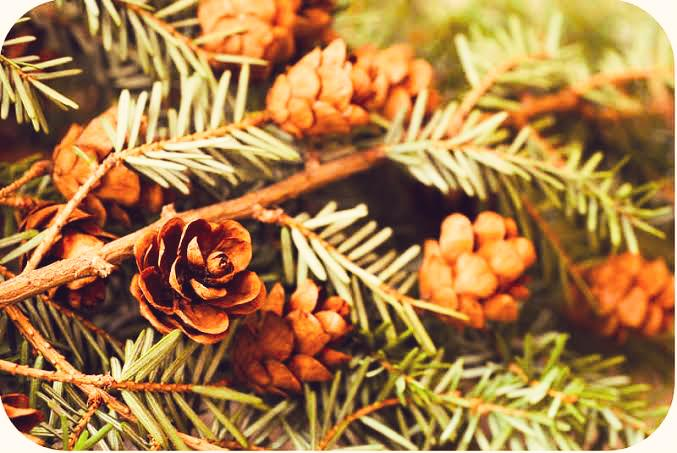
|
Note:
1. The primary difference between angiosperms and gymnosperms is diversity, which is greater in the former than the latter.
2. Angiosperms are also known as Angiospermae or Magnoliophyta.
3. Gymnosperms are also known as Acrogymnospermae.
4. Angiosperms are used in medications, food, clothing whereas gymnosperms are used for paper and lumber.
5. For reproduction angiosperms mainly rely on pollinators and gymnosperms rely on wind to help in the dispersal of seeds for reproduction.
Recently Updated Pages
Master Class 11 English: Engaging Questions & Answers for Success

Master Class 11 Physics: Engaging Questions & Answers for Success
Master Class 11 Computer Science: Engaging Questions & Answers for Success
Master Class 11 Chemistry: Engaging Questions & Answers for Success
Master Class 11 Social Science: Engaging Questions & Answers for Success
Master Class 11 Accountancy: Engaging Questions & Answers for Success
Trending doubts
Difference Between Prokaryotic Cells and Eukaryotic Cells
Two of the body parts which do not appear in MRI are class 11 biology CBSE
One Metric ton is equal to kg A 10000 B 1000 C 100 class 11 physics CBSE
10 examples of friction in our daily life
Draw a diagram of nephron and explain its structur class 11 biology CBSE
Draw a diagram of a plant cell and label at least eight class 11 biology CBSE