




With the help of a labeled diagram show:
A. The nitrogen cycle in nature
B. Describe briefly two processes involved in the cycling of nitrogen in the environment.
Answer
 Verified
605.7k+ views
Hint:The nitrogen cycle is the biogeochemical cycle by which nitrogen is converted into multiple chemical forms as it circulates among the atmosphere, terrestrial, and marine ecosystems. The conversion of nitrogen can be carried out through both biological and physical processes.
Complete step by step answer:
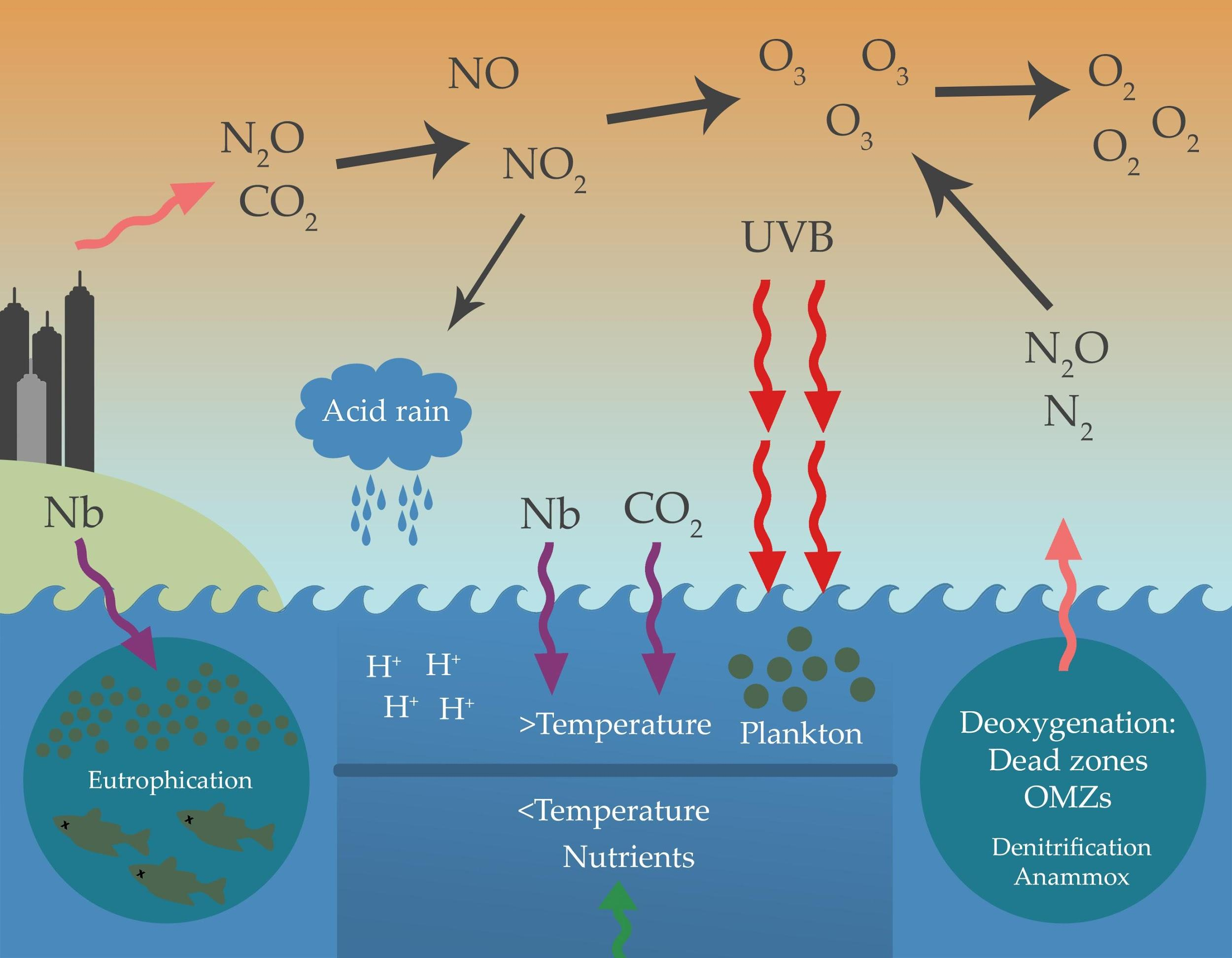
Definition: The Nitrogen Cycle is a biogeochemical process that transforms the inert nitrogen present in the atmosphere to a more usable form for living organisms.
Nitrogen gas exists in both organic and inorganic forms. The organic nitrogen exists in the living organisms, and it gets passed via the food chain by the consumption of other living organisms. The inorganic forms of nitrogen are found in the atmosphere. This nitrogen is made available to the plants by symbiotic bacteria which can convert the inert nitrogen into a usable form, such as nitrites and nitrates.
The two processes that the nitrogen cycle involves are nitrogen fixation and nitrification.
Nitrogen fixation: It is the first step of the nitrogen cycle. In this, the atmospheric nitrogen which is primarily available in an inert form is converted into a usable form such as ammonia. During this process, the inert form of the nitrogen gas is deposited into the soil from the atmosphere and the surface waters, mainly by precipitation. After the nitrogen undergoes a set of changes, in which the two nitrogen atoms get separated and combine with the hydrogen and results in the formation of ammonia.
Different types of nitrogen fixation are Atmospheric fixation, Industrial nitrogen fixation, and Biological nitrogen fixation.
Nitrification: In this process, the ammonia is converted into nitrate by the presence of the bacteria in the soil. The nitrites are formed by the oxidation of Ammonia with the help of the Nitrosomonas bacteria species. After the produced nitrites are converted into nitrates with the help of Nitrobacter. This conversion is very important as the ammonia gas is toxic for the plants.
Note: The nitrogen is also cycled by human activities such as the combustion of fuels and the use of nitrogen fertilizers. These processes increase the level of the nitrogen-containing compounds in the atmosphere. The fertilizers containing nitrogen are washed away in the lakes and rivers and this results in eutrophication.
Complete step by step answer:
Definition: The Nitrogen Cycle is a biogeochemical process that transforms the inert nitrogen present in the atmosphere to a more usable form for living organisms.
Nitrogen gas exists in both organic and inorganic forms. The organic nitrogen exists in the living organisms, and it gets passed via the food chain by the consumption of other living organisms. The inorganic forms of nitrogen are found in the atmosphere. This nitrogen is made available to the plants by symbiotic bacteria which can convert the inert nitrogen into a usable form, such as nitrites and nitrates.
The two processes that the nitrogen cycle involves are nitrogen fixation and nitrification.
Nitrogen fixation: It is the first step of the nitrogen cycle. In this, the atmospheric nitrogen which is primarily available in an inert form is converted into a usable form such as ammonia. During this process, the inert form of the nitrogen gas is deposited into the soil from the atmosphere and the surface waters, mainly by precipitation. After the nitrogen undergoes a set of changes, in which the two nitrogen atoms get separated and combine with the hydrogen and results in the formation of ammonia.
Different types of nitrogen fixation are Atmospheric fixation, Industrial nitrogen fixation, and Biological nitrogen fixation.
Nitrification: In this process, the ammonia is converted into nitrate by the presence of the bacteria in the soil. The nitrites are formed by the oxidation of Ammonia with the help of the Nitrosomonas bacteria species. After the produced nitrites are converted into nitrates with the help of Nitrobacter. This conversion is very important as the ammonia gas is toxic for the plants.
Note: The nitrogen is also cycled by human activities such as the combustion of fuels and the use of nitrogen fertilizers. These processes increase the level of the nitrogen-containing compounds in the atmosphere. The fertilizers containing nitrogen are washed away in the lakes and rivers and this results in eutrophication.
Recently Updated Pages
Basicity of sulphurous acid and sulphuric acid are

Master Class 12 Economics: Engaging Questions & Answers for Success
Master Class 12 Biology: Engaging Questions & Answers for Success
Master Class 11 English: Engaging Questions & Answers for Success
Master Class 11 Physics: Engaging Questions & Answers for Success
Master Class 11 Computer Science: Engaging Questions & Answers for Success
Trending doubts
Which are the Top 10 Largest Countries of the World?
Differentiate between homogeneous and heterogeneous class 12 chemistry CBSE
Give 10 examples of unisexual and bisexual flowers
Draw the diagram of the chloroplast class 12 biology CBSE
Lipids are insoluble in water because they are A Neutral class 12 biology CBSE
Decomposer also called as ATransducers BReducers CMicroconsumer class 12 biology CBSE