




With respect to chlorobenzene, which of the following statements is NOT correct?
A. Cl is ortho/para directing
B. Cl exhibits +M effect
C. Cl is ring deactivating
D. Cl is meta directing
Answer
 Verified
585k+ views
Hint: Chlorine has a lone pair so it can donate electrons to the benzene ring. Chlorine has high electronegativity so it can withdraw the electron density from the ring. Chlorine increases electron density at Ortho and Para positions and decreases at Meta position.
Complete Step by step answer: The site of reaction depends upon the directing effect of the substituent attached at the benzene ring. Substituents have electron-donating or withdrawing effects. On the basis of this effect, the substituents generate partial positive or negative charge at different positions of the benzene ring. So, they direct the attacking group at different positions of the benzene ring.
The groups that have an electron-donating effect, shows +M effect. They increase the electron density at Ortho and Para position hence direct the electrophile towards Ortho and Para position and are known as activating groups.
The groups that have an electron-withdrawing effect so, shows –M effect. They decrease the electron density at Ortho and Para position and increase at Meta position hence direct the electrophile towards Meta position and are known as deactivating groups.
The structure of the chlorobenzene is as follows:
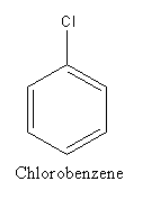
has an electron pair so it donates the electron density to the benzene ring hence increases the electron density at Ortho and Para position so Cl is Ortho/Para directing group. It shows +M effect. So, electrophile will attack at Ortho/Para position in chlorobenzene.
Cl shows a negative inductive effect due to its high electronegativity means it withdraws the electron density from the benzene ring, so it is a deactivating group.
So, Cl is ortho/para directing and shows + M effect due to non-bonding electrons and it is deactivating due to high electronegativity.
Therefore option (D) Cl is Meta directing, is correct.
Note: The groups that show +M effect are activating but halogens are deactivating due to -I. Generally the groups that show +M also show +I and the groups that show -M also show –I but halogens show +M with -I. Inductive effect tells the electron donation of withdrawing power on the basis of electronegativity. Resonance effect tells the electron donation of withdrawing power on the basis of lone pair or charge.
Complete Step by step answer: The site of reaction depends upon the directing effect of the substituent attached at the benzene ring. Substituents have electron-donating or withdrawing effects. On the basis of this effect, the substituents generate partial positive or negative charge at different positions of the benzene ring. So, they direct the attacking group at different positions of the benzene ring.
The groups that have an electron-donating effect, shows +M effect. They increase the electron density at Ortho and Para position hence direct the electrophile towards Ortho and Para position and are known as activating groups.
The groups that have an electron-withdrawing effect so, shows –M effect. They decrease the electron density at Ortho and Para position and increase at Meta position hence direct the electrophile towards Meta position and are known as deactivating groups.
The structure of the chlorobenzene is as follows:
has an electron pair so it donates the electron density to the benzene ring hence increases the electron density at Ortho and Para position so Cl is Ortho/Para directing group. It shows +M effect. So, electrophile will attack at Ortho/Para position in chlorobenzene.
Cl shows a negative inductive effect due to its high electronegativity means it withdraws the electron density from the benzene ring, so it is a deactivating group.
So, Cl is ortho/para directing and shows + M effect due to non-bonding electrons and it is deactivating due to high electronegativity.
Therefore option (D) Cl is Meta directing, is correct.
Note: The groups that show +M effect are activating but halogens are deactivating due to -I. Generally the groups that show +M also show +I and the groups that show -M also show –I but halogens show +M with -I. Inductive effect tells the electron donation of withdrawing power on the basis of electronegativity. Resonance effect tells the electron donation of withdrawing power on the basis of lone pair or charge.
Recently Updated Pages
Master Class 11 Social Science: Engaging Questions & Answers for Success

Master Class 11 Physics: Engaging Questions & Answers for Success
Master Class 11 Maths: Engaging Questions & Answers for Success
Master Class 11 Economics: Engaging Questions & Answers for Success
Master Class 11 Computer Science: Engaging Questions & Answers for Success
Master Class 11 Chemistry: Engaging Questions & Answers for Success
Trending doubts
One Metric ton is equal to kg A 10000 B 1000 C 100 class 11 physics CBSE
There are 720 permutations of the digits 1 2 3 4 5 class 11 maths CBSE
1 Quintal is equal to a 110 kg b 10 kg c 100kg d 1000 class 11 physics CBSE
State and prove Bernoullis theorem class 11 physics CBSE
Difference Between Prokaryotic Cells and Eukaryotic Cells
Discuss the various forms of bacteria class 11 biology CBSE