




Which one of the following is not mammal?
A. Ornithorhynchus
B. Tachyglossus
C. Hemidactylus
D. Funambulus
Answer
 Verified
624k+ views
Hint: Mammals is a class which belongs to the phylum Chordata of Animal kingdom. Animals have no cell wall in their cell. Mammals are the animals that have special glands called mammary gland (characteristic feature).
Step by step answer:Ornithorhynchus also known as Platypus is an egg-laying mammal.
Tachyglossus and Funambulus both are mammals but Funambulus belong to the family of squirrel.
Characters of mammals: They found in a variety of habitats searches deserts, mountains, and polar ice caps. The most unique character of mammals is the presence of a milk-producing gland also known as the mammary gland. The skin of mammal is unique as it possesses hairs. Respiration is by the lungs. Different types of teeth are present in the jaw. Sexes are separate and fertilization is internal they are mostly viviparous with few exceptions and development is direct.
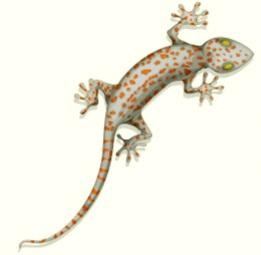
Hemidactylus belong to class Reptilia. They also are known as wall lizard and belongs to the gecko family.
Hence option C is correct.
Additional information :
Characters of class reptilia: The class name refers to their creeping mode of locomotion. They are mostly terrestrial animals and their body is covered by dry and cornified skin, epidermal scales. They do not have external ear openings. The heart is usually three-chambered but in crocodile, it is four-chambered.
Sexes are separate, fertilization is internal and they are oviparous and development is direct.
Note: One of the important difference between reptiles and mammals is that reptiles are cold-blooded animals (poikilothermous), i.e., they cannot regulate their internal temperature. On the other hand, mammals are hot-blooded (homoiothermous), i.e., they can regulate their internal temperature.
Step by step answer:Ornithorhynchus also known as Platypus is an egg-laying mammal.
Tachyglossus and Funambulus both are mammals but Funambulus belong to the family of squirrel.
Characters of mammals: They found in a variety of habitats searches deserts, mountains, and polar ice caps. The most unique character of mammals is the presence of a milk-producing gland also known as the mammary gland. The skin of mammal is unique as it possesses hairs. Respiration is by the lungs. Different types of teeth are present in the jaw. Sexes are separate and fertilization is internal they are mostly viviparous with few exceptions and development is direct.
Hemidactylus belong to class Reptilia. They also are known as wall lizard and belongs to the gecko family.
Hence option C is correct.
Additional information :
Characters of class reptilia: The class name refers to their creeping mode of locomotion. They are mostly terrestrial animals and their body is covered by dry and cornified skin, epidermal scales. They do not have external ear openings. The heart is usually three-chambered but in crocodile, it is four-chambered.
Sexes are separate, fertilization is internal and they are oviparous and development is direct.
Note: One of the important difference between reptiles and mammals is that reptiles are cold-blooded animals (poikilothermous), i.e., they cannot regulate their internal temperature. On the other hand, mammals are hot-blooded (homoiothermous), i.e., they can regulate their internal temperature.
Recently Updated Pages
Master Class 11 English: Engaging Questions & Answers for Success

Master Class 11 Social Science: Engaging Questions & Answers for Success
Master Class 11 Maths: Engaging Questions & Answers for Success
Master Class 11 Biology: Engaging Questions & Answers for Success
Master Class 11 Physics: Engaging Questions & Answers for Success
Master Class 11 Chemistry: Engaging Questions & Answers for Success
Trending doubts
One Metric ton is equal to kg A 10000 B 1000 C 100 class 11 physics CBSE
Difference Between Prokaryotic Cells and Eukaryotic Cells
Two of the body parts which do not appear in MRI are class 11 biology CBSE
Find the value of the expression given below sin 30circ class 11 maths CBSE
Draw a diagram of a plant cell and label at least eight class 11 biology CBSE
10 examples of friction in our daily life