




Which of the following molecule is polar:
A.
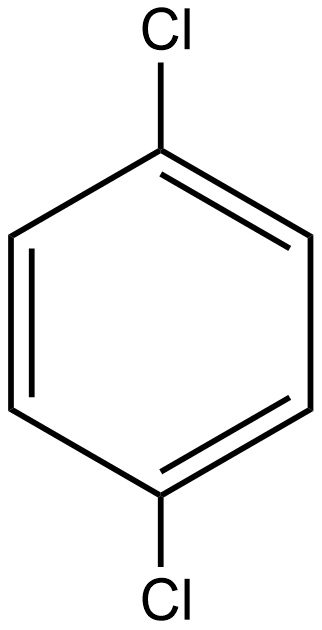
B.
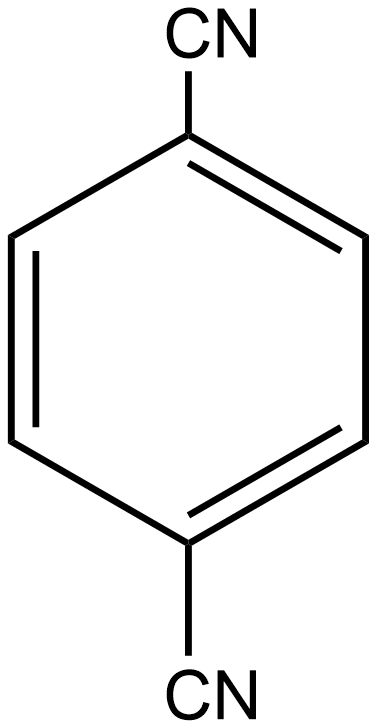
C.
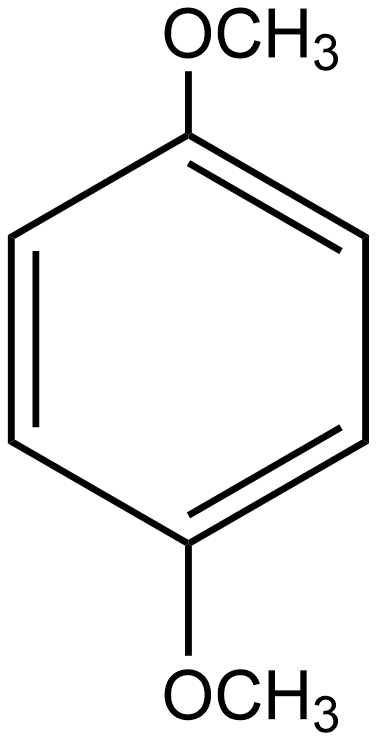
D.All of these
Answer
 Verified
601.8k+ views
Hint: Polar covalent compounds are defined as the chemical compounds that are held together by a polar covalent bond. The covalent bonds tend to have a polar nature due to the unequal sharing of electrons.
Complete step by step answer:
As we know the dipole moment is the measure of the polar nature of any molecule and is directly proportional to the polarity of the molecule. If we talk about option A i.e. p-dichlorobenzene the structure of the given compound is:
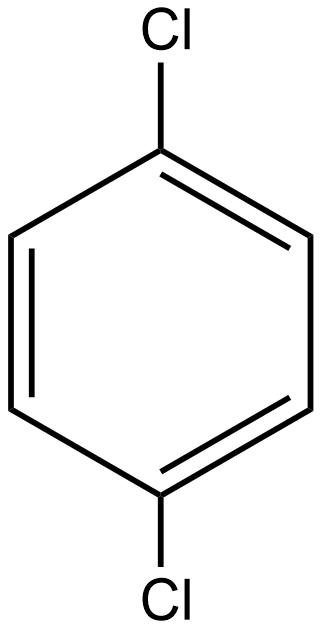
As we know the direction of dipole moment is positive to negative as shown below in the case of p-dichlorobenzene:
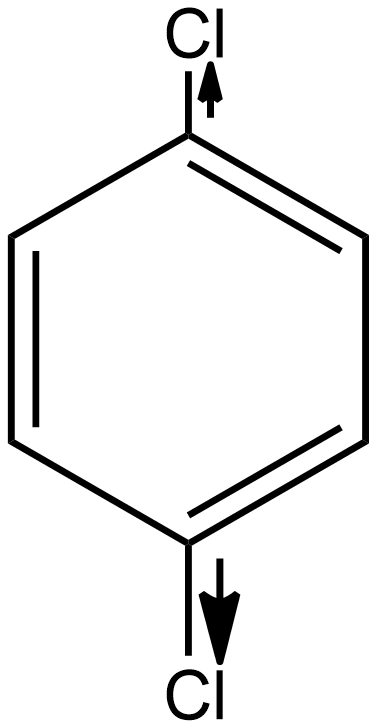
As we see in the above case the individual dipole moment is in the opposite direction so they cancel out each other as a result the resultant net dipole moment (μ)=0. Hence it is a non-polar compound.
Similarly, if we talk about option B i.e. p-dicyanobenzene, here again, the individual dipole moment is in the opposite direction as shown below:
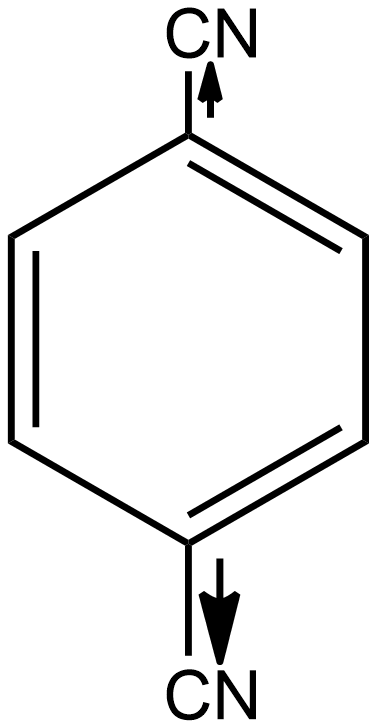
As a result, the individual dipole-moments cancel out each other. Thus the net resulting dipole-moment is again zero here. So we can say p-dicyanobenzene is also a non-polar compound.
In the case of option C i.e. p-dimethoxybenzene, the direction of dipole moment due to the highly electronegative nature of oxygen is shown below:
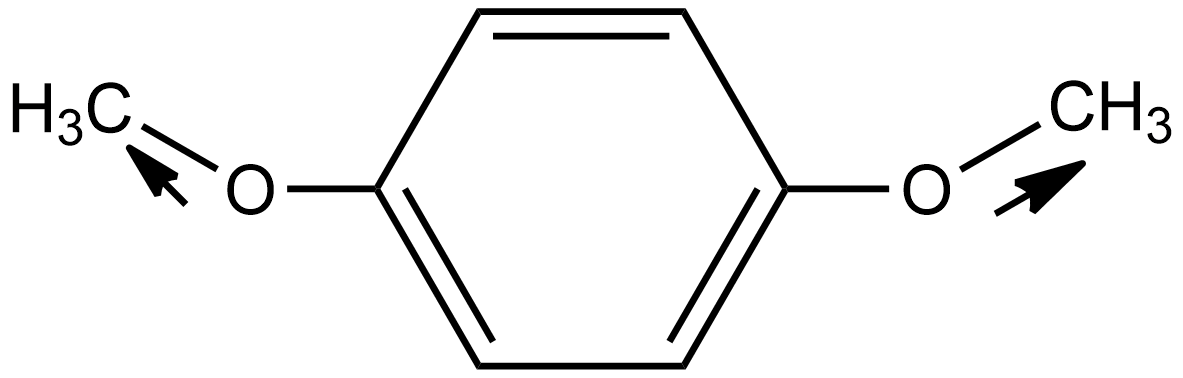
Hence in this case the dipole moment does not cancel out each other. Thus the net resulting dipole moment does not equal zero so we can say it is a polar molecule.
So, the correct answer is Option C.
Note: Dipole moment is also used to calculate the percentage of ionic character of a molecule and is also used to determine the symmetry of a molecule. The SI unit of dipole moment in debyes which is represented as “D”.
Complete step by step answer:
As we know the dipole moment is the measure of the polar nature of any molecule and is directly proportional to the polarity of the molecule. If we talk about option A i.e. p-dichlorobenzene the structure of the given compound is:
As we know the direction of dipole moment is positive to negative as shown below in the case of p-dichlorobenzene:
As we see in the above case the individual dipole moment is in the opposite direction so they cancel out each other as a result the resultant net dipole moment (μ)=0. Hence it is a non-polar compound.
Similarly, if we talk about option B i.e. p-dicyanobenzene, here again, the individual dipole moment is in the opposite direction as shown below:
As a result, the individual dipole-moments cancel out each other. Thus the net resulting dipole-moment is again zero here. So we can say p-dicyanobenzene is also a non-polar compound.
In the case of option C i.e. p-dimethoxybenzene, the direction of dipole moment due to the highly electronegative nature of oxygen is shown below:
Hence in this case the dipole moment does not cancel out each other. Thus the net resulting dipole moment does not equal zero so we can say it is a polar molecule.
So, the correct answer is Option C.
Note: Dipole moment is also used to calculate the percentage of ionic character of a molecule and is also used to determine the symmetry of a molecule. The SI unit of dipole moment in debyes which is represented as “D”.
Recently Updated Pages
Master Class 11 Social Science: Engaging Questions & Answers for Success

Master Class 11 English: Engaging Questions & Answers for Success
Master Class 11 Maths: Engaging Questions & Answers for Success
Master Class 11 Chemistry: Engaging Questions & Answers for Success
Master Class 11 Biology: Engaging Questions & Answers for Success
Master Class 11 Physics: Engaging Questions & Answers for Success
Trending doubts
One Metric ton is equal to kg A 10000 B 1000 C 100 class 11 physics CBSE
Difference Between Prokaryotic Cells and Eukaryotic Cells
How many of the following diseases can be studied with class 11 biology CBSE
Draw a diagram of a plant cell and label at least eight class 11 biology CBSE
Two of the body parts which do not appear in MRI are class 11 biology CBSE
Which gas is abundant in air class 11 chemistry CBSE