




Which of the following is not a function of cytoplasm?
A. Aids in the movement of different cellular elements.
B. Means of transport for genetic material.
C. Site of replication of DNA.
D. Transports the product of cellular respiration.
Answer
 Verified
601.8k+ views
Hint: The word cytoplasm refers to a fluid material that is present within all the cells. The cell membrane encloses the cytoplasm. The cytoplasm mainly consists of water and is colorless. The cytoplasm of the cell consists of three components: cytosol, organelles, and inclusions.
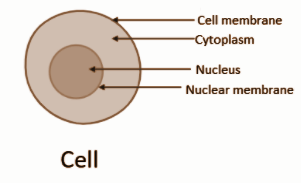
Complete answer: Cytoplasm is the liquid component present within the cell. The cell membrane encloses the cytoplasm in which different cell organelles are embedded in it. The cytoplasm is mainly made up of water which constitutes eighty percent of the total volume of the cytoplasm. The cytoplasm is colorless. The cytoplasm consists of cytosol which is a gel-like substance, cell organelles, and cytoplasmic inclusions. Various metabolic activities take place within the cell. It aids in the movement of different cellular elements. It also acts as a carrier which helps in the transport of genetic material. It regulates the function of transporting the product of cellular respiration such as in glycolysis. Signaling activity which involves the movement of calcium ions in and out is important for the metabolic process to occur and is done by the cytoplasm. The cell organelles are protected by the cytoplasm from getting damage due to the collision and movement within the cell. The process of glycolysis begins in the cytoplasm of the cell. The site of replication of DNA is the nucleus and not the cytoplasm. Therefore, it is not a function of cytoplasm.
So, option C is the correct option.
Note: Cytoplasmic streaming is the movement of cytoplasm around the vacuoles in plants. The cytoplasm is enclosed by the cell membrane and provides structure and support to the cell. Cell organelles, cytoplasm are enclosed by cell membranes except for the nucleus as it is enclosed by the nuclear membrane.
Complete answer: Cytoplasm is the liquid component present within the cell. The cell membrane encloses the cytoplasm in which different cell organelles are embedded in it. The cytoplasm is mainly made up of water which constitutes eighty percent of the total volume of the cytoplasm. The cytoplasm is colorless. The cytoplasm consists of cytosol which is a gel-like substance, cell organelles, and cytoplasmic inclusions. Various metabolic activities take place within the cell. It aids in the movement of different cellular elements. It also acts as a carrier which helps in the transport of genetic material. It regulates the function of transporting the product of cellular respiration such as in glycolysis. Signaling activity which involves the movement of calcium ions in and out is important for the metabolic process to occur and is done by the cytoplasm. The cell organelles are protected by the cytoplasm from getting damage due to the collision and movement within the cell. The process of glycolysis begins in the cytoplasm of the cell. The site of replication of DNA is the nucleus and not the cytoplasm. Therefore, it is not a function of cytoplasm.
So, option C is the correct option.
Note: Cytoplasmic streaming is the movement of cytoplasm around the vacuoles in plants. The cytoplasm is enclosed by the cell membrane and provides structure and support to the cell. Cell organelles, cytoplasm are enclosed by cell membranes except for the nucleus as it is enclosed by the nuclear membrane.
Recently Updated Pages
Master Class 11 Social Science: Engaging Questions & Answers for Success

Master Class 11 English: Engaging Questions & Answers for Success
Master Class 11 Maths: Engaging Questions & Answers for Success
Master Class 11 Chemistry: Engaging Questions & Answers for Success
Master Class 11 Biology: Engaging Questions & Answers for Success
Master Class 11 Physics: Engaging Questions & Answers for Success
Trending doubts
One Metric ton is equal to kg A 10000 B 1000 C 100 class 11 physics CBSE
Difference Between Prokaryotic Cells and Eukaryotic Cells
How many of the following diseases can be studied with class 11 biology CBSE
Draw a diagram of a plant cell and label at least eight class 11 biology CBSE
Two of the body parts which do not appear in MRI are class 11 biology CBSE
Which gas is abundant in air class 11 chemistry CBSE