




Where do you find alluvial soil?
Answer
 Verified
562.5k+ views
Hint: According to blogger Matthew Ricker, this is an important category of soils. They provide many functions in our ecosystem. It removes sediments and nutrients flowing in the adjacent water. This soil can also help to remove other contaminants from rivers and improve water quality for downstream communities.
Complete answer:
To answer this question you must know about alluvial soil.
Alluvial soils are soils deposited by surface water. You'll find them along rivers, in floodplains and deltas, stream terraces, and areas called alluvial fans. Some alluvial soils are found in the narmada, tapi valleys and northern parts of gujrat. This last category results from larger floods, causing the soil to spread out in the shape of a triangle fan.
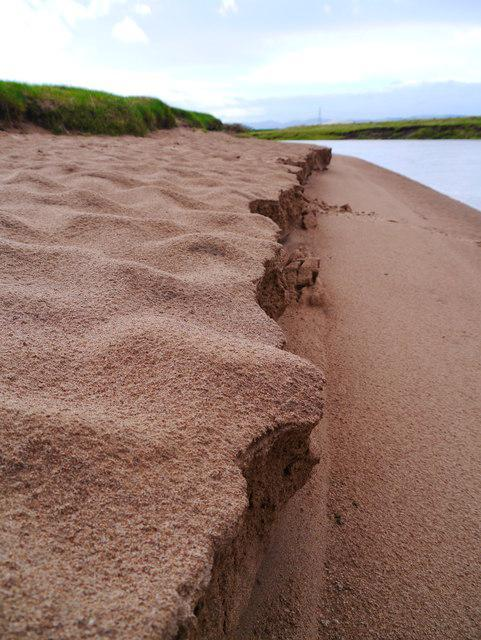
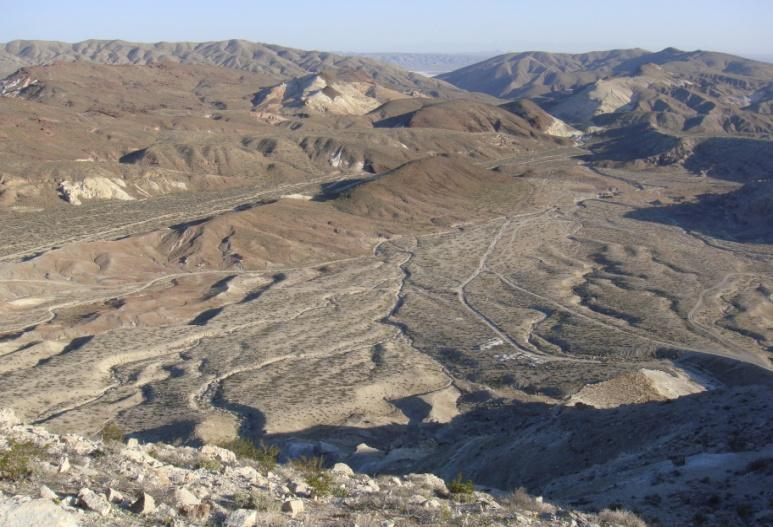
Alluvial soil has the highest productivity with respect to other soils. It is present mostly along rivers and is carried by its streams during the weathering of rocks. In this soil the proportion of nitrogen is generally low and the proportion of potash, phosphoric acid and alkalis are adequate. And the proportion of iron oxide and lime vary within a wide range.
Overall alluvial soils found in deltas, indo gangetic Brahmaputra plains, Mahanadi, the Godavari, the Krishna or deltaic alluvium and some alluvial soils are found in the narmada, tapi valleys and northern parts of gujrat.
Note:
Alluvial soil is one of the best soils, requiring the least water due to its high porosity. India is one of the richest countries in the world in terms of alluvial soil, which covers more than 46% of its total land area. The soil is loamy because of its porous nature. They support more than 40% of India's population by providing the most productive agricultural lands.
Complete answer:
To answer this question you must know about alluvial soil.
Alluvial soils are soils deposited by surface water. You'll find them along rivers, in floodplains and deltas, stream terraces, and areas called alluvial fans. Some alluvial soils are found in the narmada, tapi valleys and northern parts of gujrat. This last category results from larger floods, causing the soil to spread out in the shape of a triangle fan.
Alluvial soil has the highest productivity with respect to other soils. It is present mostly along rivers and is carried by its streams during the weathering of rocks. In this soil the proportion of nitrogen is generally low and the proportion of potash, phosphoric acid and alkalis are adequate. And the proportion of iron oxide and lime vary within a wide range.
Overall alluvial soils found in deltas, indo gangetic Brahmaputra plains, Mahanadi, the Godavari, the Krishna or deltaic alluvium and some alluvial soils are found in the narmada, tapi valleys and northern parts of gujrat.
Note:
Alluvial soil is one of the best soils, requiring the least water due to its high porosity. India is one of the richest countries in the world in terms of alluvial soil, which covers more than 46% of its total land area. The soil is loamy because of its porous nature. They support more than 40% of India's population by providing the most productive agricultural lands.
Recently Updated Pages
Master Class 12 Economics: Engaging Questions & Answers for Success

Master Class 12 Social Science: Engaging Questions & Answers for Success
Master Class 12 English: Engaging Questions & Answers for Success
Master Class 12 Maths: Engaging Questions & Answers for Success
Master Class 12 Physics: Engaging Questions & Answers for Success
Master Class 12 Biology: Engaging Questions & Answers for Success
Trending doubts
Draw a labelled sketch of the human eye class 12 physics CBSE
Which are the Top 10 Largest Countries of the World?
Draw ray diagrams each showing i myopic eye and ii class 12 physics CBSE
Which is the correct genotypic ratio of mendel dihybrid class 12 biology CBSE
Differentiate between homogeneous and heterogeneous class 12 chemistry CBSE
Which animal never drinks water in its entire life class 12 biology CBSE