




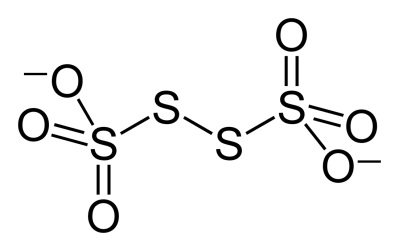
The structure of the tetrathionate ion is
A.
B.
C.
D.
Answer
 Verified
634.8k+ views
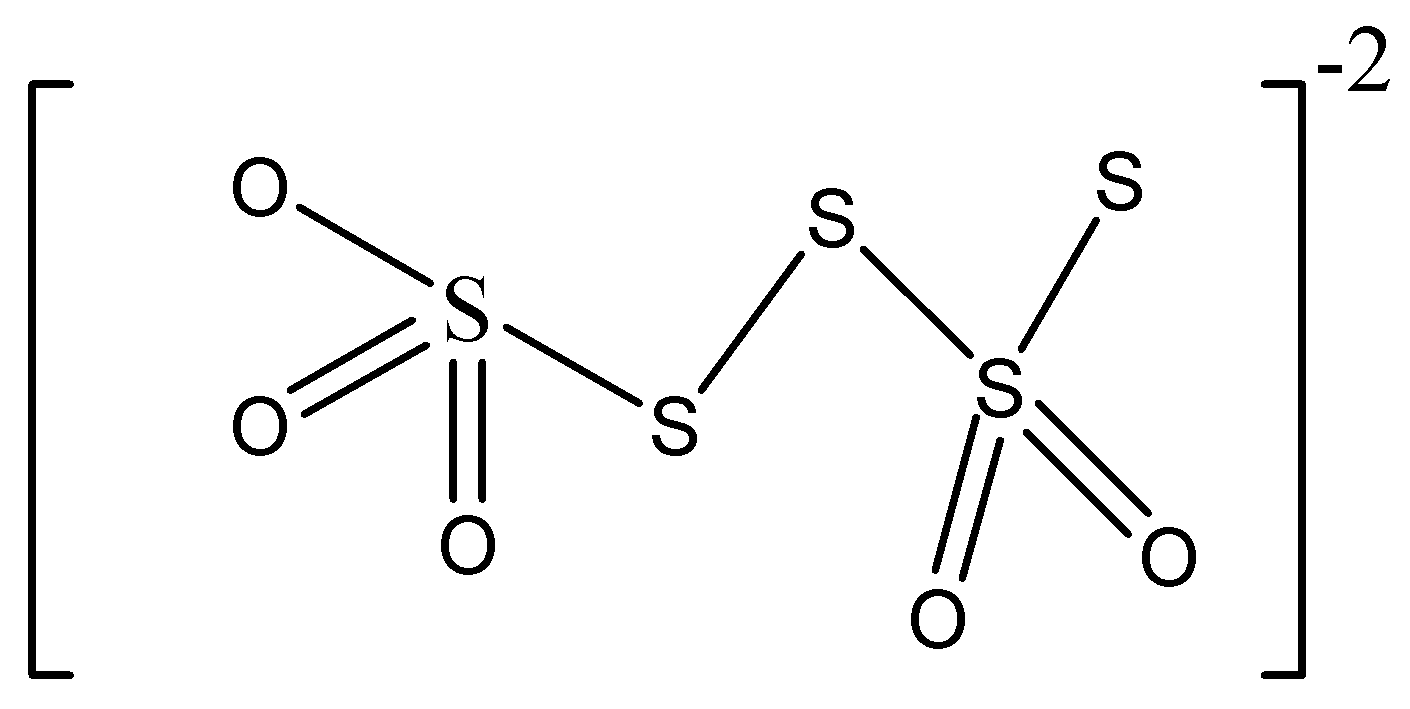
Hint: We must understand that the tetrathionate ion contains four sulphur atoms in a molecule. We can say that the structure mentioned in option C is the structure of tetra-thionate ions.
Complete step by step solution:
We must know that the chemical formula of the tetra-thionate ion is \[{S_{4}}{O_6}^{2 - }\]
The tetrathionate ion is a sulfur containing oxo-anion that is obtained from the compound called tetra-thionic acid, \[{H_{2}}{S_4}{O_6}.\;\]
Sulphur has various oxidation states, 0, +2, +4, etc. in tetra-thionate ion, two of the sulfur atoms are in oxidation state 0 whereas two are in oxidation state +5.
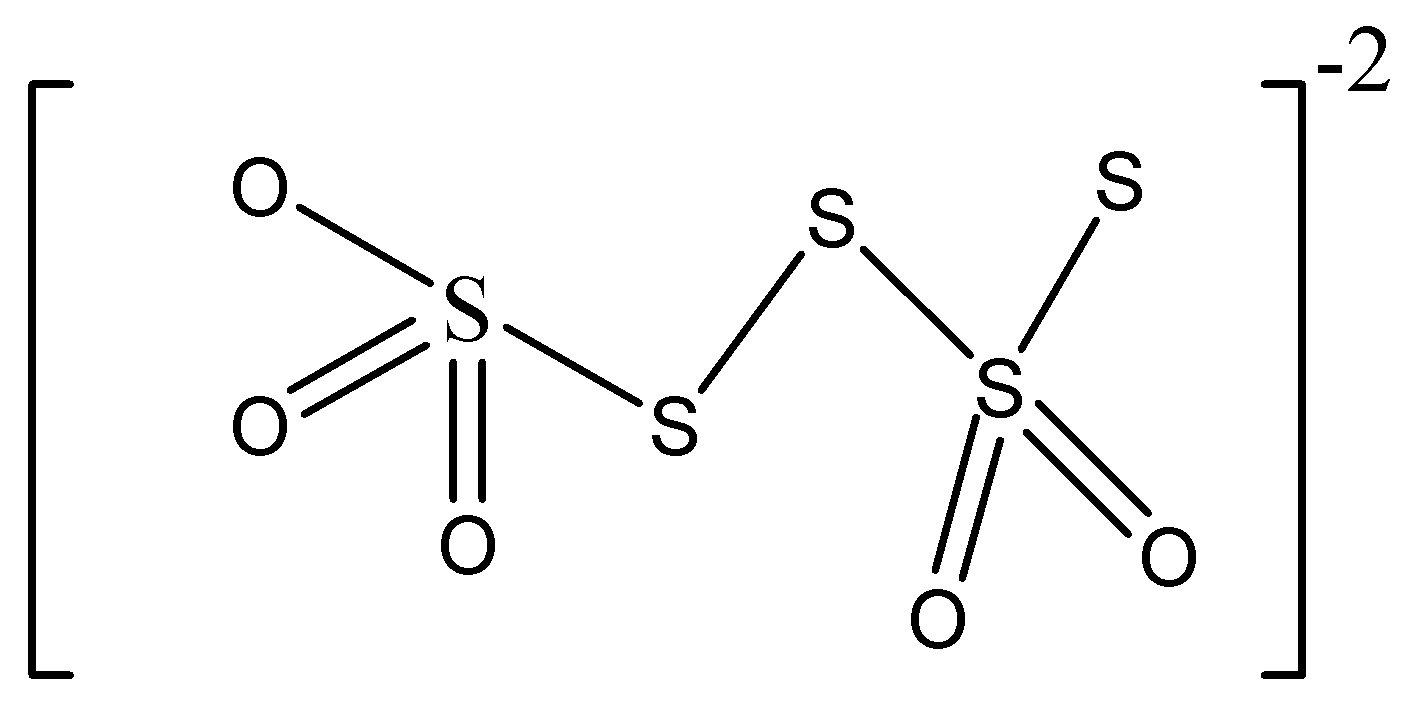
Structure mentioned in option A is polythionate ion that contains more than four sulphur atoms.
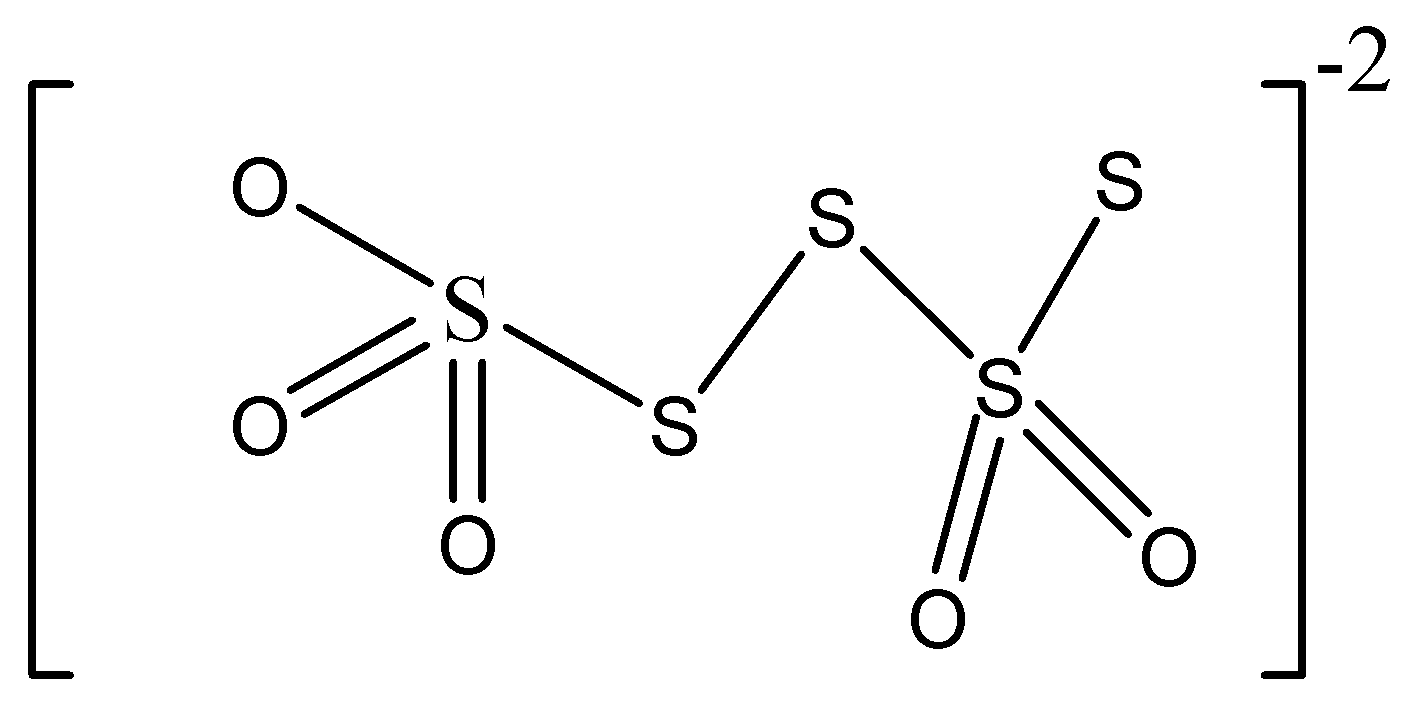
So we can understand this is not tetrathionate ion.
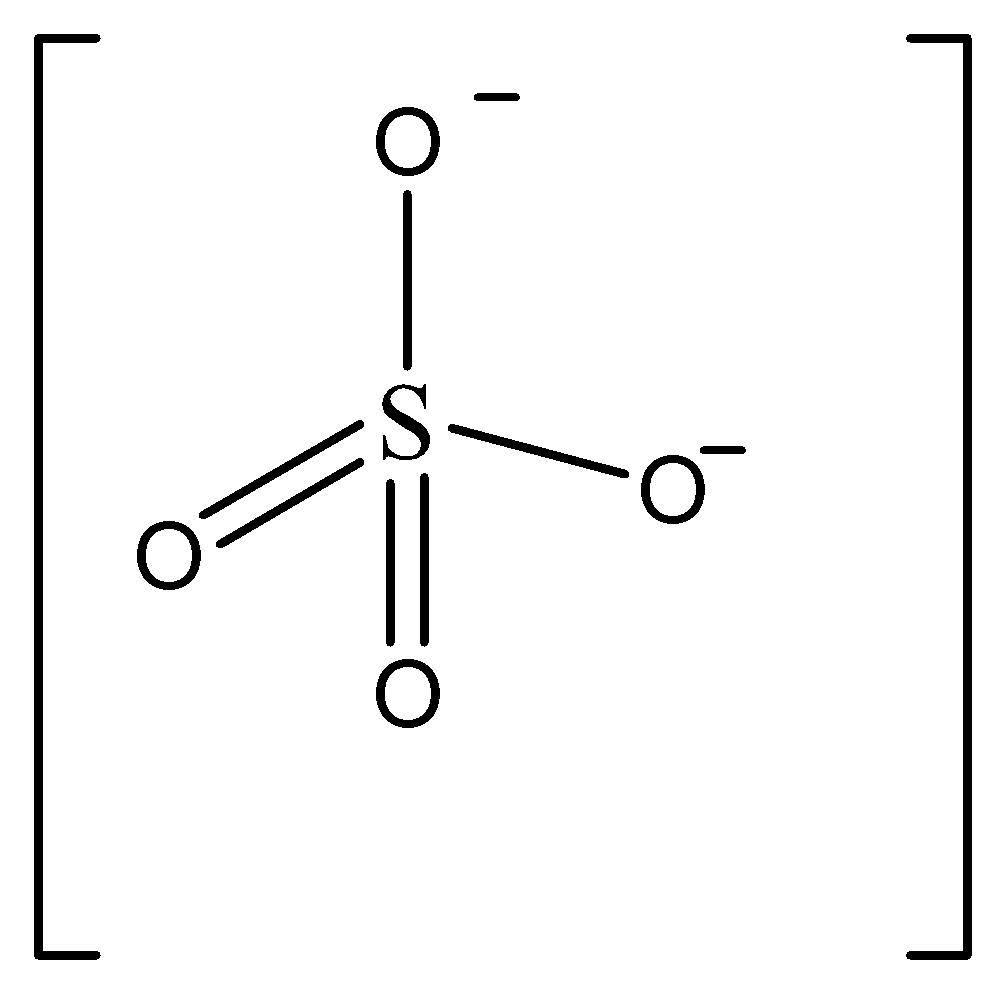
Structure mentioned in option B is sulphate ion \[S{O_4}^{2 - }\]
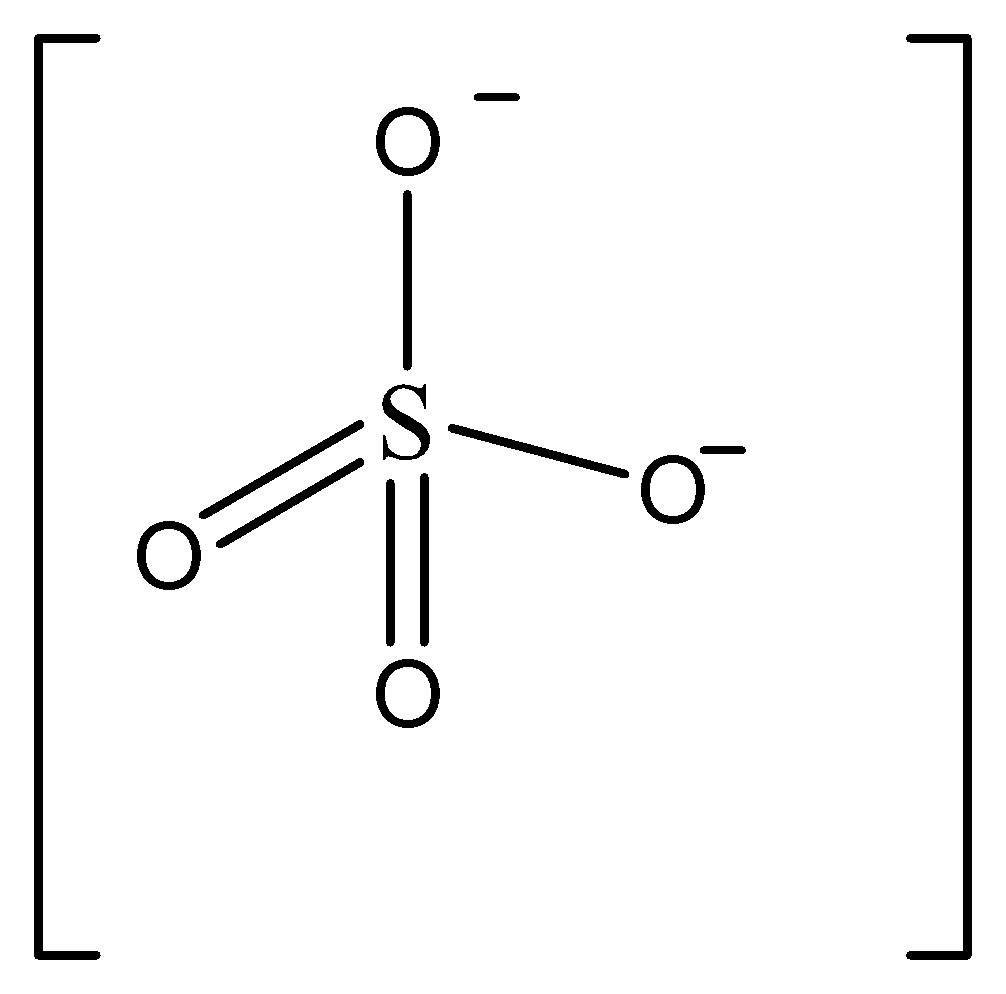
In this structure, we can see there’s only one sulphur atom present.
So we can understand this is not tetrathionate ion.
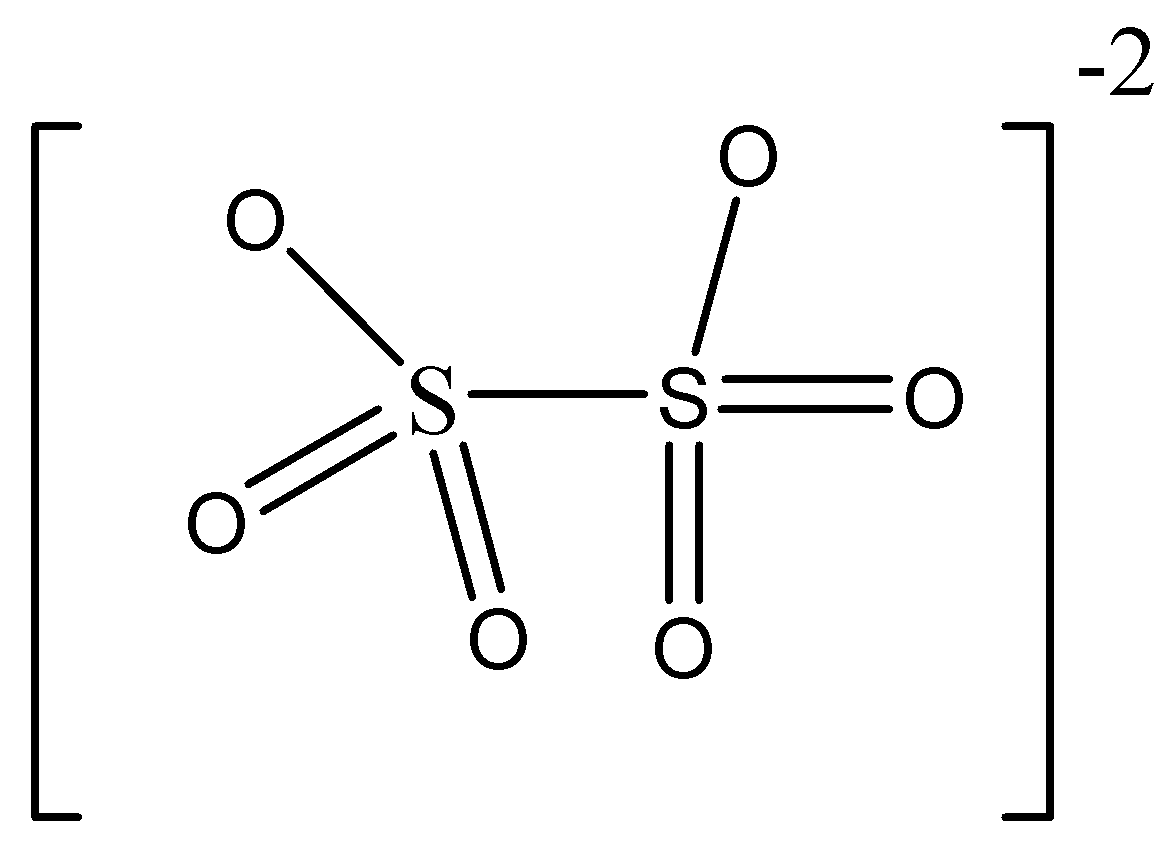
Structure mentioned in option D is dithionate ion \[{S_2}{O_6}^{2 - }\]
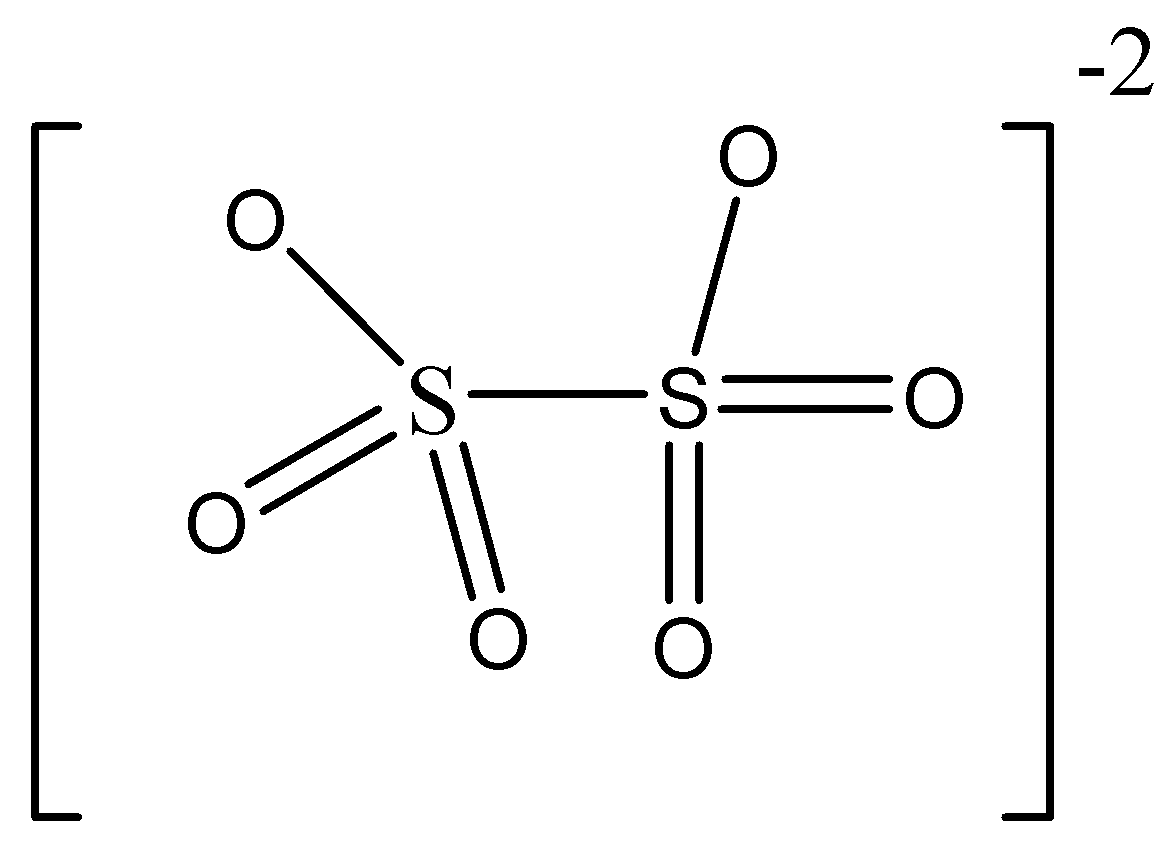
In this structure, we can see there are only two sulphur atoms present. So we can understand this is not tetrathionate ion.
Hence, we can conclude that the option C is the correct option.
Additional information: Tetrathionate can be produced by oxidation of thiosulphate ion \[\left( {{S_2}{O_3}^{2 - }} \right)\] by iodine solution. Major pitting corrosion of carbon steel and stainless steel is due to tetra-thionate ions.
Note: We must understand that the thionate ions have only sulphur and oxygen atoms in their structure. You may get confused with sulphate or such ions that contain sulphur, oxygen as well as R – group or functional group attached to structure.
Complete step by step solution:
We must know that the chemical formula of the tetra-thionate ion is \[{S_{4}}{O_6}^{2 - }\]
The tetrathionate ion is a sulfur containing oxo-anion that is obtained from the compound called tetra-thionic acid, \[{H_{2}}{S_4}{O_6}.\;\]
Sulphur has various oxidation states, 0, +2, +4, etc. in tetra-thionate ion, two of the sulfur atoms are in oxidation state 0 whereas two are in oxidation state +5.
Structure mentioned in option A is polythionate ion that contains more than four sulphur atoms.
So we can understand this is not tetrathionate ion.
Structure mentioned in option B is sulphate ion \[S{O_4}^{2 - }\]
In this structure, we can see there’s only one sulphur atom present.
So we can understand this is not tetrathionate ion.
Structure mentioned in option D is dithionate ion \[{S_2}{O_6}^{2 - }\]
In this structure, we can see there are only two sulphur atoms present. So we can understand this is not tetrathionate ion.
Hence, we can conclude that the option C is the correct option.
Additional information: Tetrathionate can be produced by oxidation of thiosulphate ion \[\left( {{S_2}{O_3}^{2 - }} \right)\] by iodine solution. Major pitting corrosion of carbon steel and stainless steel is due to tetra-thionate ions.
Note: We must understand that the thionate ions have only sulphur and oxygen atoms in their structure. You may get confused with sulphate or such ions that contain sulphur, oxygen as well as R – group or functional group attached to structure.
Recently Updated Pages
Master Class 12 Business Studies: Engaging Questions & Answers for Success

Master Class 12 Chemistry: Engaging Questions & Answers for Success
Master Class 12 Biology: Engaging Questions & Answers for Success
Class 12 Question and Answer - Your Ultimate Solutions Guide
Master Class 11 English: Engaging Questions & Answers for Success
Master Class 11 Social Science: Engaging Questions & Answers for Success
Trending doubts
The end of compass needle which points towards north class 12 physics CBSE
In order to find out the different types of gametes class 12 biology NEET_UG
Hormone responsible for the secretion of milk after class 12 biology CBSE
What is the Full Form of 1.DPT 2.DDT 3.BCG
Yeast reproduces by A Spore formation B Multiple fission class 12 biology CBSE
Draw a well labelled diagram of LS of the human ki class 12 biology CBSE