




The phenomenon by which the incident light falling on a surface is sent back into the same medium is known as –
A.Refraction
B.Reflection
C.Total internal reflection
D.Both B and C
Answer
 Verified
597.9k+ views
Hint: In case of refraction, the light ray goes to the second medium. But in case of reflection and total internal reflection, the incident light ray returns to the first medium, none gets refracted. From this, we can easily get the correct answer.
Complete step by step answer:Light travels in a straight line in a homogeneous medium. When it is travelling in one homogeneous medium, and meets the surface of another homogeneous medium, the following effects may occur-reflection, absorption, or refraction of light.
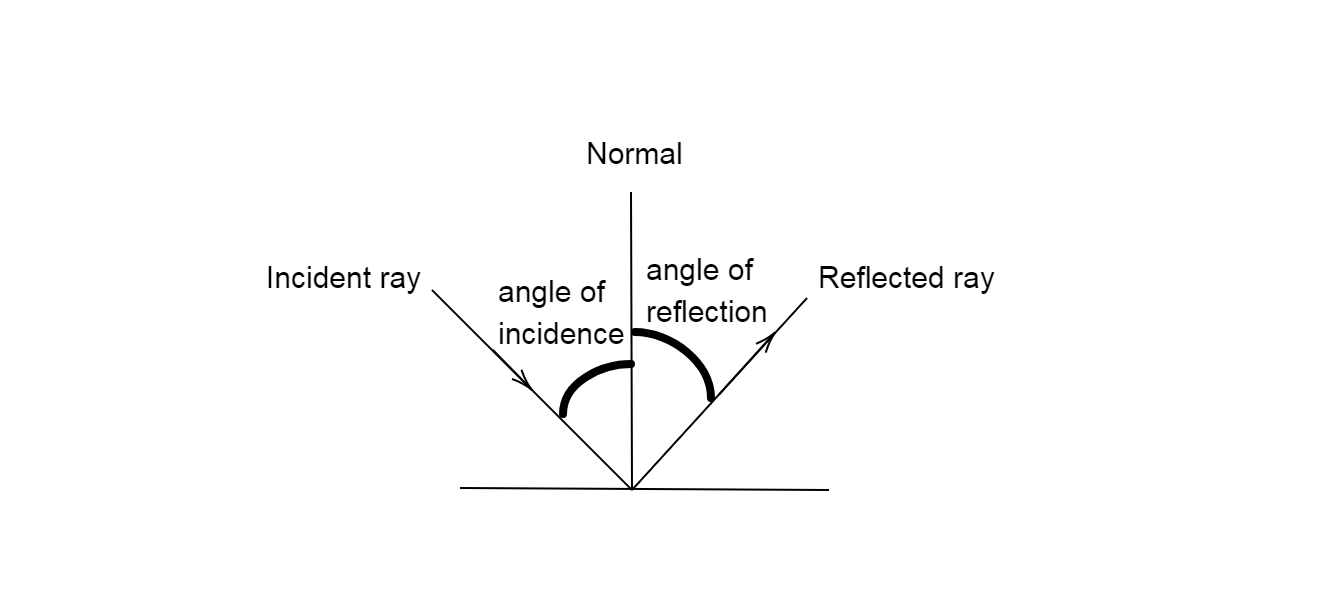
Reflection – When a ray of light passing through a medium is incident on the interface with another medium then, a portion of light returns to the first medium. This phenomenon is known as reflection of light.
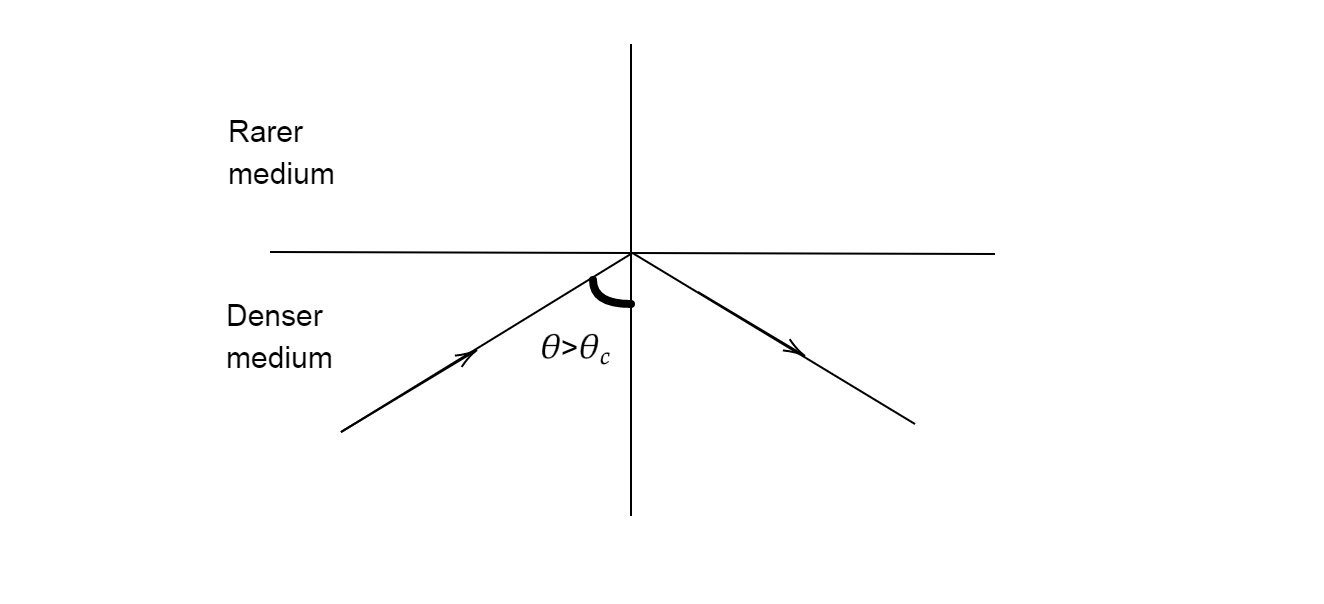
Total internal reflection – When a light ray travelling from denser to rarer medium hits the boundary, and the angle of incidence is greater than the critical angle, the total light ray returns to the first medium, and none is refracted. This optical phenomenon is called total internal reflection.
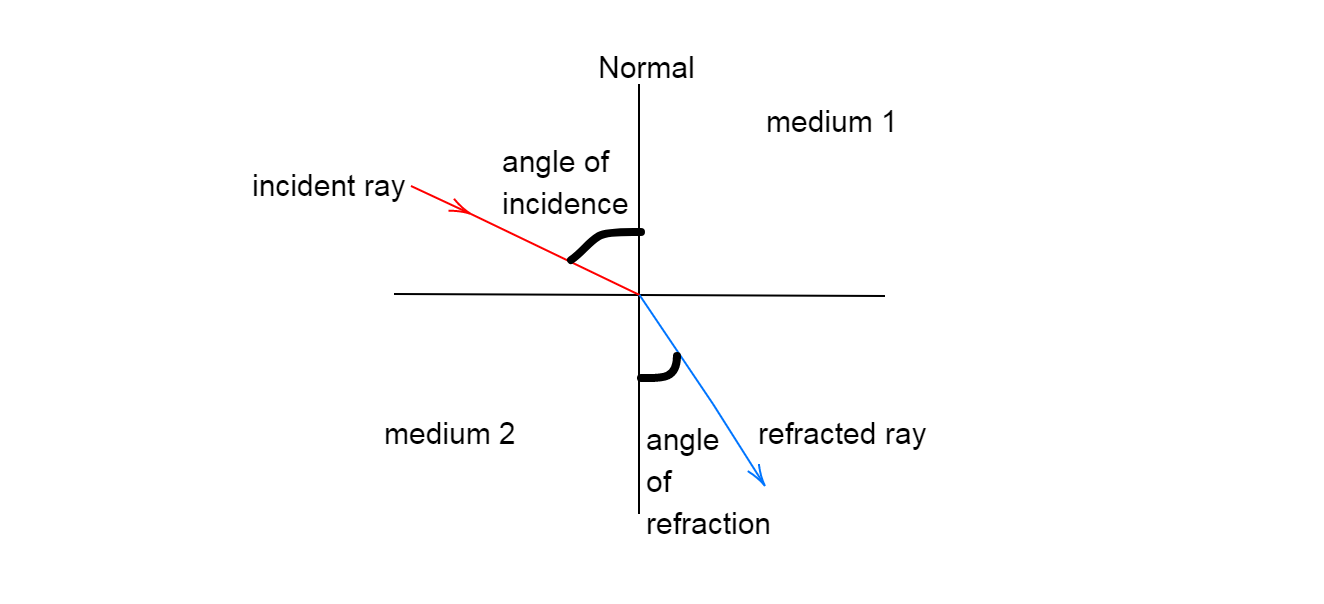
Refraction – When a ray of light travelling in one medium enters another medium obliquely, the light ray changes its direction at the interface. This phenomenon is called refraction of light.
So, we see that, in case of both reflection and total internal reflection, the incident light falling on a surface is sent back into the same medium.
Therefore, the correct answer is (D) Both B and C.
Note:
When a ray of light gets reflected, the angle of incidence is equal to the angle of reflection, and there is no limit for the angle of incidence. But, in case of total internal reflection, the angle of incidence must be greater than the critical angle.
Complete step by step answer:Light travels in a straight line in a homogeneous medium. When it is travelling in one homogeneous medium, and meets the surface of another homogeneous medium, the following effects may occur-reflection, absorption, or refraction of light.
Reflection – When a ray of light passing through a medium is incident on the interface with another medium then, a portion of light returns to the first medium. This phenomenon is known as reflection of light.
Total internal reflection – When a light ray travelling from denser to rarer medium hits the boundary, and the angle of incidence is greater than the critical angle, the total light ray returns to the first medium, and none is refracted. This optical phenomenon is called total internal reflection.
Refraction – When a ray of light travelling in one medium enters another medium obliquely, the light ray changes its direction at the interface. This phenomenon is called refraction of light.
So, we see that, in case of both reflection and total internal reflection, the incident light falling on a surface is sent back into the same medium.
Therefore, the correct answer is (D) Both B and C.
Note:
When a ray of light gets reflected, the angle of incidence is equal to the angle of reflection, and there is no limit for the angle of incidence. But, in case of total internal reflection, the angle of incidence must be greater than the critical angle.
Recently Updated Pages
Master Class 11 English: Engaging Questions & Answers for Success

Master Class 11 Social Science: Engaging Questions & Answers for Success
Master Class 11 Maths: Engaging Questions & Answers for Success
Master Class 11 Biology: Engaging Questions & Answers for Success
Master Class 11 Physics: Engaging Questions & Answers for Success
Master Class 11 Chemistry: Engaging Questions & Answers for Success
Trending doubts
One Metric ton is equal to kg A 10000 B 1000 C 100 class 11 physics CBSE
What is cell theory Who formulated it class 11 biology CBSE
Phyllotaxy is the arrangement of ALeaflets BLeaves class 11 biology CBSE
Difference Between Prokaryotic Cells and Eukaryotic Cells
The symbiotic association of fungi and algae is called class 11 biology CBSE
Cell theory was formulated by A Schleiden and Schwann class 11 biology CBSE