




The nuchal organ is a ciliated pit or groove, present at the posterior end of the prostomium in a group of organisms. It is used in light detection and food detection. Organisms of which phylum possess this organ?
(a)Annelida
(b)Arthropoda
(c)Aschelminthes
(d)Platyhelminthes
Answer
 Verified
578.1k+ views
Hint: The nuchal organ is possessed by the organisms of the phylum which has the characteristic feature of metamerism i.e. their body is segmented into little rings or “metameres”. The nuchal organ is also seen in some cephalopods.
Complete answer:
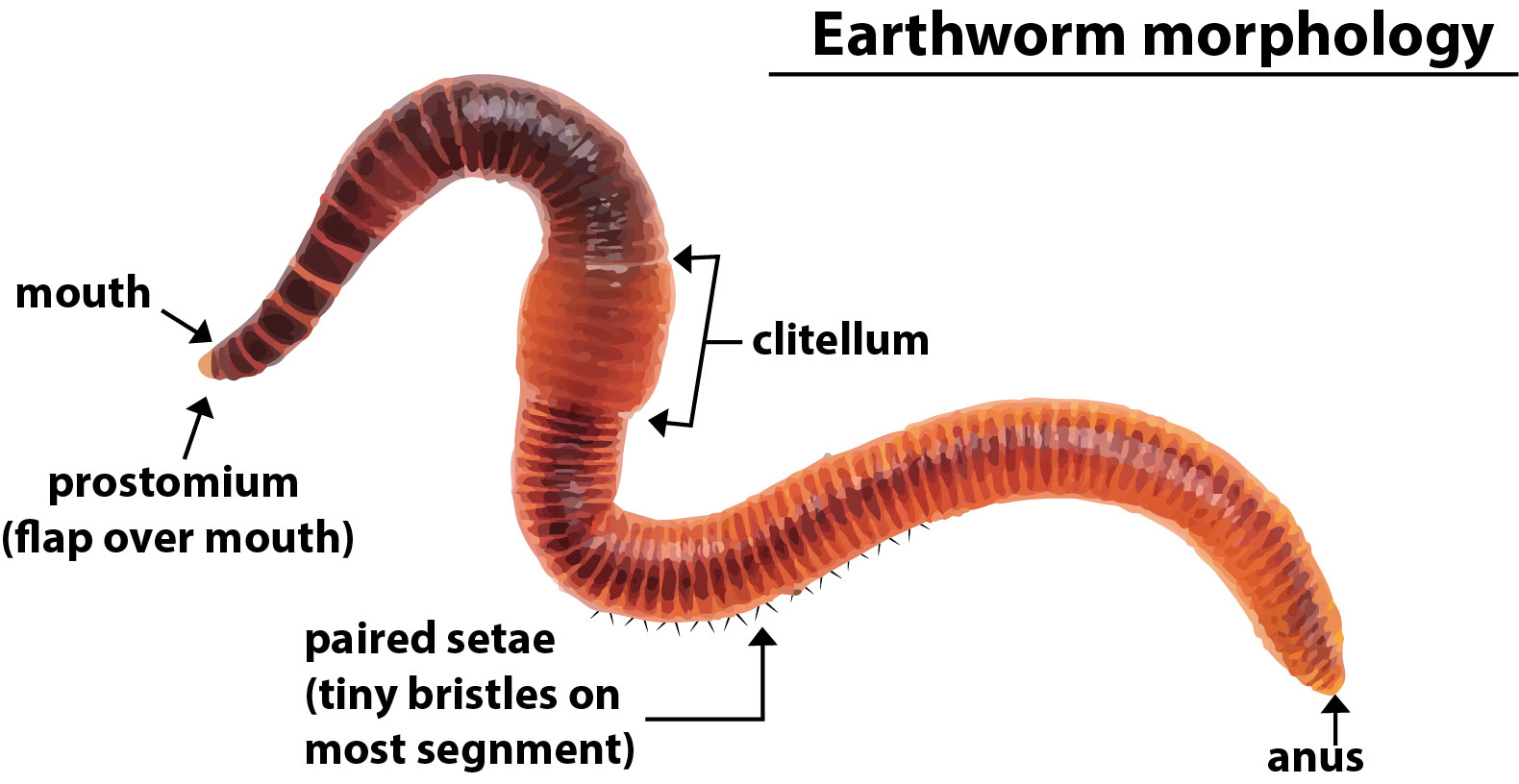
The nuchal organ is a groove-like structure present near the posterior (backside) end of the prostomium of annelids. The main functions of this organ include the detection of light and food. It is also utilized for mating. Hence, they are known as epidermal sensory organs.
Additional Information: Let us learn more about the phyla mentioned in the options.
Annelida: Annelids are triploblastic, coelomate, and metamerically segmented with an organ-system level of body organization. They have nephridia for excretion and osmoregulation. Examples include earthworm and leech
Arthropoda: Arthropods belong to the largest phylum of the animal kingdom. Their body is divided into a head, thorax, and abdomen. The reason for their success in evolution is credited to their chitinous exoskeleton. Examples: Apis, Bombyx, Anopheles
Aschelminthes: They are commonly known as roundworms because their body is circular in a cross-section They are pseudocoelomate, triploblastic animals with muscular pharynx Examples- Ascaris, Wuchereria.
Platyhelminthes: They are commonly known as flatworms because they have a dorso-ventrally flattened body. They are mostly found as endoparasites. Examples- Planaria, Taenia
So, the correct option is ‘Annelida’.
Note: -Prostomium is the first segment of an annelid which is cephalized i.e. head-like structure.
-Malpighian tubules are the excretory structures present in arthropods.
-The roundworm Wuchereria causes elephantiasis in human beings.
Complete answer:
The nuchal organ is a groove-like structure present near the posterior (backside) end of the prostomium of annelids. The main functions of this organ include the detection of light and food. It is also utilized for mating. Hence, they are known as epidermal sensory organs.
Additional Information: Let us learn more about the phyla mentioned in the options.
Annelida: Annelids are triploblastic, coelomate, and metamerically segmented with an organ-system level of body organization. They have nephridia for excretion and osmoregulation. Examples include earthworm and leech
Arthropoda: Arthropods belong to the largest phylum of the animal kingdom. Their body is divided into a head, thorax, and abdomen. The reason for their success in evolution is credited to their chitinous exoskeleton. Examples: Apis, Bombyx, Anopheles
Aschelminthes: They are commonly known as roundworms because their body is circular in a cross-section They are pseudocoelomate, triploblastic animals with muscular pharynx Examples- Ascaris, Wuchereria.
Platyhelminthes: They are commonly known as flatworms because they have a dorso-ventrally flattened body. They are mostly found as endoparasites. Examples- Planaria, Taenia
So, the correct option is ‘Annelida’.
Note: -Prostomium is the first segment of an annelid which is cephalized i.e. head-like structure.
-Malpighian tubules are the excretory structures present in arthropods.
-The roundworm Wuchereria causes elephantiasis in human beings.
Recently Updated Pages
Master Class 11 Computer Science: Engaging Questions & Answers for Success

Master Class 11 Business Studies: Engaging Questions & Answers for Success
Master Class 11 Economics: Engaging Questions & Answers for Success
Master Class 11 English: Engaging Questions & Answers for Success
Master Class 11 Maths: Engaging Questions & Answers for Success
Master Class 11 Biology: Engaging Questions & Answers for Success
Trending doubts
One Metric ton is equal to kg A 10000 B 1000 C 100 class 11 physics CBSE
There are 720 permutations of the digits 1 2 3 4 5 class 11 maths CBSE
Discuss the various forms of bacteria class 11 biology CBSE
Draw a diagram of a plant cell and label at least eight class 11 biology CBSE
State the laws of reflection of light
Explain zero factorial class 11 maths CBSE