




The common weedicide used in cultivating fields is
(a) 2, 4-D
(b) 2, 4, 5 –T
(c) IAA
(d) ABA.
Answer
 Verified
634.2k+ views
Hint: Some usual herbicides consisting of Metachlor, Nurofen and 2,4-D are used to control weeds to enter into the agricultural field and compete with the plants/crops and therefore direct impact on the crop.
Complete answer:To answer this question, at first, we have to know the name of a common weedicide used in cultivating fields. Weedicides can be described because the insecticides used to kill the weeds. Bio-weedicides are called herbicides. Herbicide generally known as weedkillers, are insecticides used to kill undesirable plants. 2,4-D (2,4-dichlorophenoxy) is a systemic phenoxy herbicide evolved inside the Forties and nonetheless in use today. The low price of 2, 4-D has led to constant usage, and it stays one of the most generally used herbicides in the world.
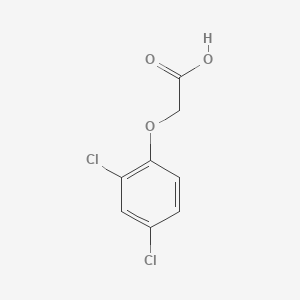
Now lets us find the solution from given options -
Weeds are unwanted plants developing amongst wanted crops and compete with crop flowers for sunlight, nutrients, water, etc. They will not show any impact on crop flowers. Two popularly used weedicides are 2, 4-d ethyl ester, neem extract, glyphosate etc.
2,4,5-Trichlorophenoxyacetic acid, a synthetic auxin, is a chlorophenoxy acetic acid herbicide used to defoliate broad-leafed flowers. Additionally, the production process for 2,4,5-T contaminates this chemical with hint quantities of 2,3,7,8-tetrachlorodibenzo-p-dioxin (TCDD).
IAA is the primary auxin in plants, regulating growth and developmental processes such as cell department and elongation, tissue differentiation, apical dominance, and responses to light, gravity, and pathogens. Roots are most easily affected by fluctuations in IAA level.
Abscisic acid (ABA) is a weedicide hormone. ABA capabilities in many plant developmental strategies, such as seed and bud dormancy, control of organ size and stomatal closure.
Thus, the right answer is, ‘2, 4-D’.
Note:Weedicides or herbicides are historically used commercially through farmers to maximise their crop manufacturing through removing weed populations among their crops.
Complete answer:To answer this question, at first, we have to know the name of a common weedicide used in cultivating fields. Weedicides can be described because the insecticides used to kill the weeds. Bio-weedicides are called herbicides. Herbicide generally known as weedkillers, are insecticides used to kill undesirable plants. 2,4-D (2,4-dichlorophenoxy) is a systemic phenoxy herbicide evolved inside the Forties and nonetheless in use today. The low price of 2, 4-D has led to constant usage, and it stays one of the most generally used herbicides in the world.
Now lets us find the solution from given options -
Weeds are unwanted plants developing amongst wanted crops and compete with crop flowers for sunlight, nutrients, water, etc. They will not show any impact on crop flowers. Two popularly used weedicides are 2, 4-d ethyl ester, neem extract, glyphosate etc.
2,4,5-Trichlorophenoxyacetic acid, a synthetic auxin, is a chlorophenoxy acetic acid herbicide used to defoliate broad-leafed flowers. Additionally, the production process for 2,4,5-T contaminates this chemical with hint quantities of 2,3,7,8-tetrachlorodibenzo-p-dioxin (TCDD).
IAA is the primary auxin in plants, regulating growth and developmental processes such as cell department and elongation, tissue differentiation, apical dominance, and responses to light, gravity, and pathogens. Roots are most easily affected by fluctuations in IAA level.
Abscisic acid (ABA) is a weedicide hormone. ABA capabilities in many plant developmental strategies, such as seed and bud dormancy, control of organ size and stomatal closure.
Thus, the right answer is, ‘2, 4-D’.
Note:Weedicides or herbicides are historically used commercially through farmers to maximise their crop manufacturing through removing weed populations among their crops.
Recently Updated Pages
Master Class 11 English: Engaging Questions & Answers for Success

Master Class 11 Social Science: Engaging Questions & Answers for Success
Master Class 11 Maths: Engaging Questions & Answers for Success
Master Class 11 Biology: Engaging Questions & Answers for Success
Master Class 11 Physics: Engaging Questions & Answers for Success
Master Class 11 Chemistry: Engaging Questions & Answers for Success
Trending doubts
Explain the Treaty of Vienna of 1815 class 10 social science CBSE
What is the full form of POSCO class 10 social science CBSE
Define Potential, Developed, Stock and Reserved resources
The diagonals of a rhombus are 10cm and 24cm Find the class 10 maths CBSE
Fill the blanks with proper collective nouns 1 A of class 10 english CBSE
What planets have no moons Which one has only one moon class 10 physics CBSE