




Rh factor is named after
(a) Monkey
(b) Drosophila
(c) Rat
(d) Man
Answer
 Verified
619.2k+ views
Hint: The Rh factor is named after an animal that forms part of the community of simians. Tree-dwelling (arboreal) is the characteristic of most of these animals, but there are animals that mostly live on the ground. The tail is present for this species. They have a big brain because of their size, and that is part of why they are so intelligent.
Complete step by step answer:
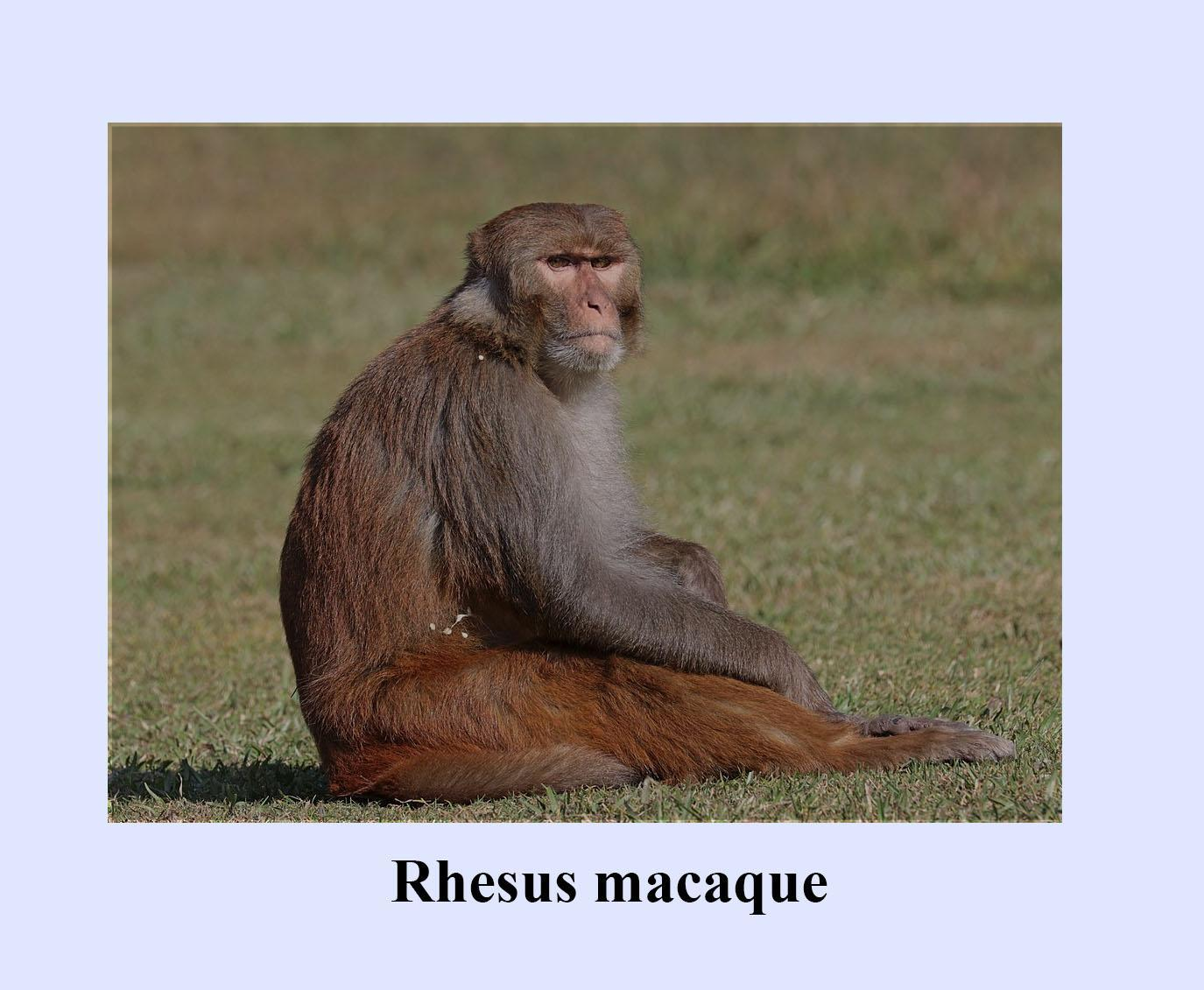
In 1940, Landsteiner and Wiener first identified the Rh factor in the Rhesus monkey (Macaca rhesus). Those with the Rh factor are known as Rh-positive, and those without the Rh factor are known as Rh-negative. The Rh factor is present only in monkeys and humans. Thus, this Rh element is named after the Rhesus monkey, as Rh stands for rhesus protein. This protein is found on the surface of red blood cells as an antigen.
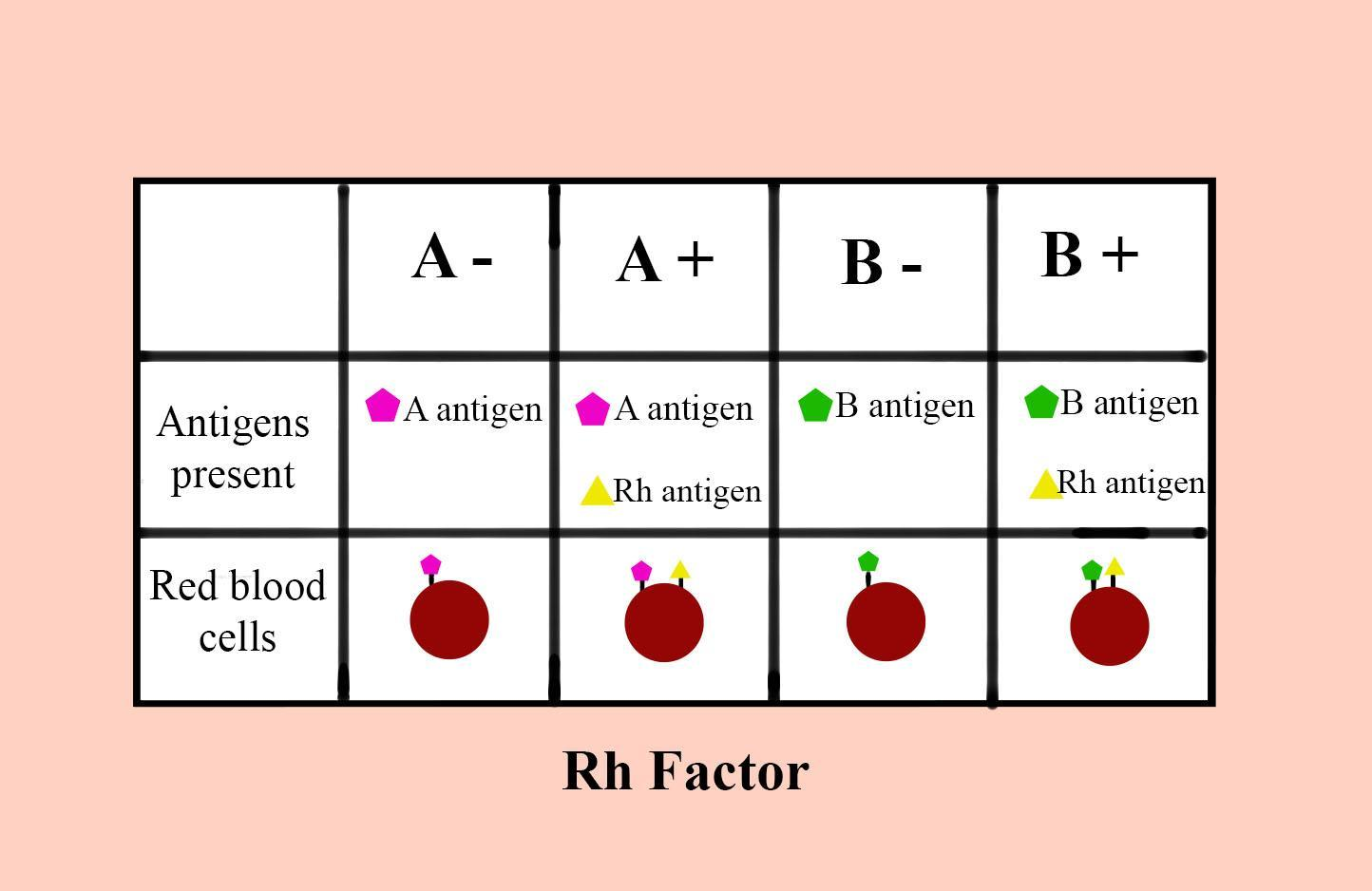
The protein (passed on by your parents) is inherited genetically. A person is Rh-positive if he/she has protein. They are Rh-negative if they have not inherited the protein. The majority of individuals, around 85%, are Rh-positive.
So, the correct answer is, ‘Monkey’.
Additional information: The rhesus protein does not affect overall health, but if a person is pregnant, it is important to know the status of Rh. If the individual is Rh-negative and the child is Rh-positive, the Rh factor may cause complications during pregnancy. It induces Rh incompatibility.
Note: It turns out that most life forms ranging from algae to fish to humans are present in certain forms of Rhesus molecules. Rh molecules also have a few kinds of bacteria.
An even more ancient root is the Rhesus element. It's descended from the Amt molecule. Even in Archaea, which is probably the most ancient life form on earth, Amt is present in any living thing. So, a long time ago, Rh lived long before humans or monkeys walked on Earth.
Complete step by step answer:
In 1940, Landsteiner and Wiener first identified the Rh factor in the Rhesus monkey (Macaca rhesus). Those with the Rh factor are known as Rh-positive, and those without the Rh factor are known as Rh-negative. The Rh factor is present only in monkeys and humans. Thus, this Rh element is named after the Rhesus monkey, as Rh stands for rhesus protein. This protein is found on the surface of red blood cells as an antigen.
The protein (passed on by your parents) is inherited genetically. A person is Rh-positive if he/she has protein. They are Rh-negative if they have not inherited the protein. The majority of individuals, around 85%, are Rh-positive.
So, the correct answer is, ‘Monkey’.
Additional information: The rhesus protein does not affect overall health, but if a person is pregnant, it is important to know the status of Rh. If the individual is Rh-negative and the child is Rh-positive, the Rh factor may cause complications during pregnancy. It induces Rh incompatibility.
Note: It turns out that most life forms ranging from algae to fish to humans are present in certain forms of Rhesus molecules. Rh molecules also have a few kinds of bacteria.
An even more ancient root is the Rhesus element. It's descended from the Amt molecule. Even in Archaea, which is probably the most ancient life form on earth, Amt is present in any living thing. So, a long time ago, Rh lived long before humans or monkeys walked on Earth.
Recently Updated Pages
Master Class 11 English: Engaging Questions & Answers for Success

Master Class 11 Social Science: Engaging Questions & Answers for Success
Master Class 11 Maths: Engaging Questions & Answers for Success
Master Class 11 Biology: Engaging Questions & Answers for Success
Master Class 11 Physics: Engaging Questions & Answers for Success
Master Class 11 Chemistry: Engaging Questions & Answers for Success
Trending doubts
One Metric ton is equal to kg A 10000 B 1000 C 100 class 11 physics CBSE
Difference Between Prokaryotic Cells and Eukaryotic Cells
Find the value of the expression given below sin 30circ class 11 maths CBSE
Two of the body parts which do not appear in MRI are class 11 biology CBSE
Draw a diagram of a plant cell and label at least eight class 11 biology CBSE
10 examples of friction in our daily life