




Protein synthesis occurs in an animal cell in
- A. Cytoplasm
B. Cytoplasm as well as mitochondria
C. Ribosomes attached to the nuclear envelope
D. Nucleolus as well as cytoplasm
- A. Cytoplasm
Answer
 Verified
626.7k+ views
Hint: Protein synthesis takes place during the translation process inside the ribosomes. The ribosome is the protein factory of the cell. Ribosomes are found in both prokaryotic and eukaryotic cells. Ribosomes are also found in association with other cell organelles like mitochondria.
Step by step answer:The process of protein synthesis, known as translation occurs in Ribosomes.
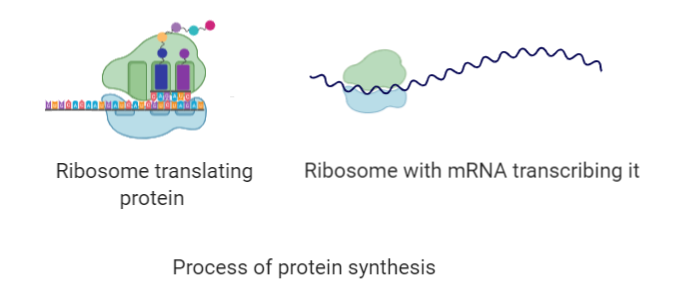
There are two kinds of ribosomes that are present in the organisms. The two kinds of ribosomes are as follows –
70 S – These ribosomes are present in both the prokaryotes and eukaryotes. They are made up of the sub-units of 50 S and 30 S respectively. They are also found over the mitochondria.
80 S – These ribosomes are present only in the eukaryotes. They are made up of the sub-units of 60 S and 40 S respectively.
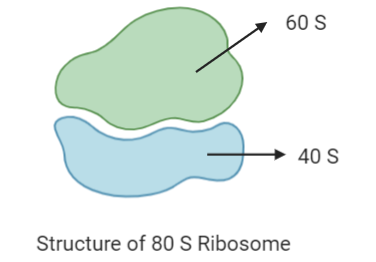
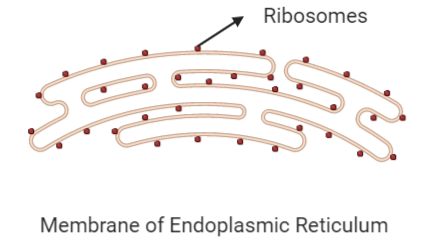
S stands for the sedimentation coefficient here. These two units remain free and attach only during the process of translation or protein synthesis. In eukaryotic cells, the nucleolus is the factory of the ribosomes. This means that the ribosomes are synthesized in the nucleolus. Also, the ribosomes are found attached to the Endoplasmic Reticulum (ER) or they are found freely present in the cytoplasm.
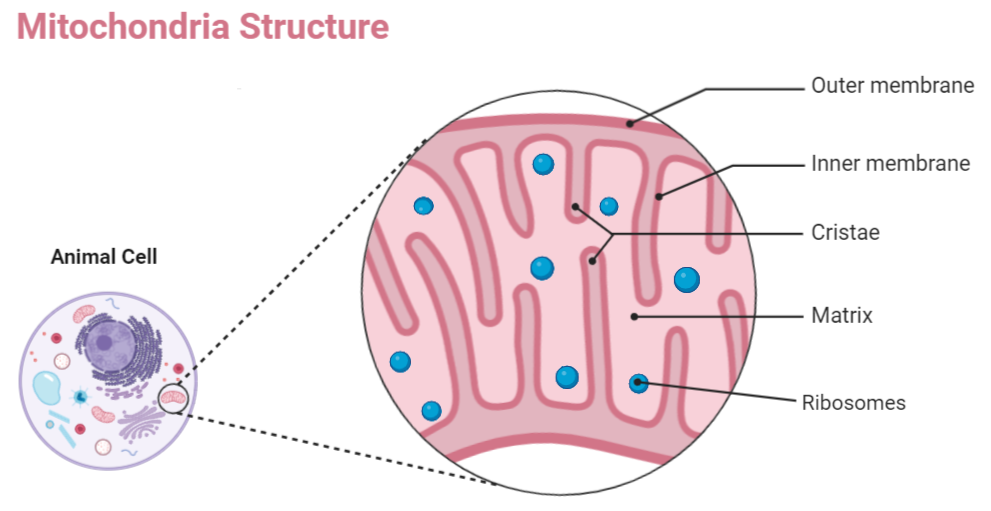
70 S ribosomes are found in the matrix of the mitochondria of both the prokaryotic and the eukaryotic cells. This is because mitochondria are the powerhouse of the cell and the major site for aerobic respiration and ATP production.
The attached ribosomes are concerned with the synthesis of the secretory proteins. And the free ribosomes are concerned with the synthesis of the non-secretory proteins. Therefore, the ribosomes are found in Cytoplasm, on ER, and in Mitochondria. The ribosome performs protein synthesis so these places will be the site of translation.
Hence option B is correct.
Note: The ribosomes are the smallest cell organelle. They are so small that they cannot be observed under normal microscopes. Thus, we need an electron microscope to observe them.
The ribosomes are also known as the Palade body. This is because it was first observed by ‘Palade’.
Step by step answer:The process of protein synthesis, known as translation occurs in Ribosomes.
There are two kinds of ribosomes that are present in the organisms. The two kinds of ribosomes are as follows –
70 S – These ribosomes are present in both the prokaryotes and eukaryotes. They are made up of the sub-units of 50 S and 30 S respectively. They are also found over the mitochondria.
80 S – These ribosomes are present only in the eukaryotes. They are made up of the sub-units of 60 S and 40 S respectively.
S stands for the sedimentation coefficient here. These two units remain free and attach only during the process of translation or protein synthesis. In eukaryotic cells, the nucleolus is the factory of the ribosomes. This means that the ribosomes are synthesized in the nucleolus. Also, the ribosomes are found attached to the Endoplasmic Reticulum (ER) or they are found freely present in the cytoplasm.
70 S ribosomes are found in the matrix of the mitochondria of both the prokaryotic and the eukaryotic cells. This is because mitochondria are the powerhouse of the cell and the major site for aerobic respiration and ATP production.
The attached ribosomes are concerned with the synthesis of the secretory proteins. And the free ribosomes are concerned with the synthesis of the non-secretory proteins. Therefore, the ribosomes are found in Cytoplasm, on ER, and in Mitochondria. The ribosome performs protein synthesis so these places will be the site of translation.
Hence option B is correct.
Note: The ribosomes are the smallest cell organelle. They are so small that they cannot be observed under normal microscopes. Thus, we need an electron microscope to observe them.
The ribosomes are also known as the Palade body. This is because it was first observed by ‘Palade’.
Recently Updated Pages
Master Class 12 Business Studies: Engaging Questions & Answers for Success

Master Class 12 Chemistry: Engaging Questions & Answers for Success
Master Class 12 Biology: Engaging Questions & Answers for Success
Class 12 Question and Answer - Your Ultimate Solutions Guide
Master Class 11 English: Engaging Questions & Answers for Success
Master Class 11 Social Science: Engaging Questions & Answers for Success
Trending doubts
Which are the Top 10 Largest Countries of the World?
The total number of vertebrae in man is a30 b31 c32 class 12 biology CBSE
Draw a labelled sketch of the human eye class 12 physics CBSE
The number of cranial nerves in a frog is A 10 pairs class 12 biology CBSE
Differentiate between homogeneous and heterogeneous class 12 chemistry CBSE
Differentiate between Pyramid of energy and pyramid class 12 biology CBSE