




Pollen of anemophilous plants are
(a) Large and heavy
(b) Small and sticky
(c) Small, dry, and unwettable
(d) Large, light, and hygroscopic
Answer
 Verified
640.2k+ views
Hint: The pollens of anemophilous should be such that they can travel easily without any hindrance by the wind blow.
Complete answer:
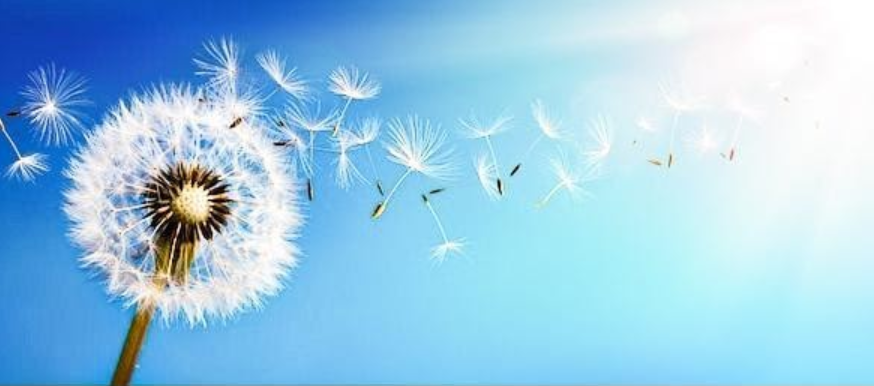
Anemophily is also known as wind pollination. It is a type of pollination where the pollen is carried and distributed by wind. In these plants, the pollen must be light, small, and non-sticky so that it can be easily blown by the wind.
Additional information:
1. The pollen grains of anemophilous flowers should have less showy floral parts, and no scent produced in the flower as it does not need to attract insects as in the case of entomophilous flowers.
2. It does not require large production of nectar and a large number of pollen grains.
3. It’s pollen grains are light and dry so that they do not stick to the plant and can be transported by air currents.
4. The diameter of the pollen grain is around 20-60 micrometers.
5. In the case of Pinus, the diameter of pollen grains can be larger.
6. In these flowers, the stamens are well exposed so that pollen grains can be easily transported through wind and have a large and feathery stigma to trap the pollen grains.
7. It helps in the separation of male and female reproductive systems of a single plant, thus reducing the effects of inbreeding.
8. It is found commonly in oaks, grasses, sweet chestnut, alders, etc.
So, the correct answer is ‘Small, dry, and unwettable'.
Note: Opposite to anemophilous pollen grains are the entomophilous pollen grains. These pollen grains are carried by insects and are needed to be much more attractive. They should be large, showy with colorful petals having an attractive scent. They produce pollen of higher protein content.
Complete answer:
Anemophily is also known as wind pollination. It is a type of pollination where the pollen is carried and distributed by wind. In these plants, the pollen must be light, small, and non-sticky so that it can be easily blown by the wind.
Additional information:
1. The pollen grains of anemophilous flowers should have less showy floral parts, and no scent produced in the flower as it does not need to attract insects as in the case of entomophilous flowers.
2. It does not require large production of nectar and a large number of pollen grains.
3. It’s pollen grains are light and dry so that they do not stick to the plant and can be transported by air currents.
4. The diameter of the pollen grain is around 20-60 micrometers.
5. In the case of Pinus, the diameter of pollen grains can be larger.
6. In these flowers, the stamens are well exposed so that pollen grains can be easily transported through wind and have a large and feathery stigma to trap the pollen grains.
7. It helps in the separation of male and female reproductive systems of a single plant, thus reducing the effects of inbreeding.
8. It is found commonly in oaks, grasses, sweet chestnut, alders, etc.
So, the correct answer is ‘Small, dry, and unwettable'.
Note: Opposite to anemophilous pollen grains are the entomophilous pollen grains. These pollen grains are carried by insects and are needed to be much more attractive. They should be large, showy with colorful petals having an attractive scent. They produce pollen of higher protein content.
Recently Updated Pages
Master Class 12 Business Studies: Engaging Questions & Answers for Success

Master Class 12 Chemistry: Engaging Questions & Answers for Success
Master Class 12 Biology: Engaging Questions & Answers for Success
Class 12 Question and Answer - Your Ultimate Solutions Guide
Master Class 11 English: Engaging Questions & Answers for Success
Master Class 11 Social Science: Engaging Questions & Answers for Success
Trending doubts
Which are the Top 10 Largest Countries of the World?
Draw a labelled sketch of the human eye class 12 physics CBSE
Differentiate between homogeneous and heterogeneous class 12 chemistry CBSE
Differentiate between Pyramid of energy and pyramid class 12 biology CBSE
Why is the cell called the structural and functional class 12 biology CBSE
Draw the diagram of the pyramid of energy Explain In class 12 biology CBSE