




Pick the odd one out giving suitable reasons
A) Nucleus
B) Nucleolus
C) Chromosomes
D) Ribosomes
Answer
 Verified
612k+ views
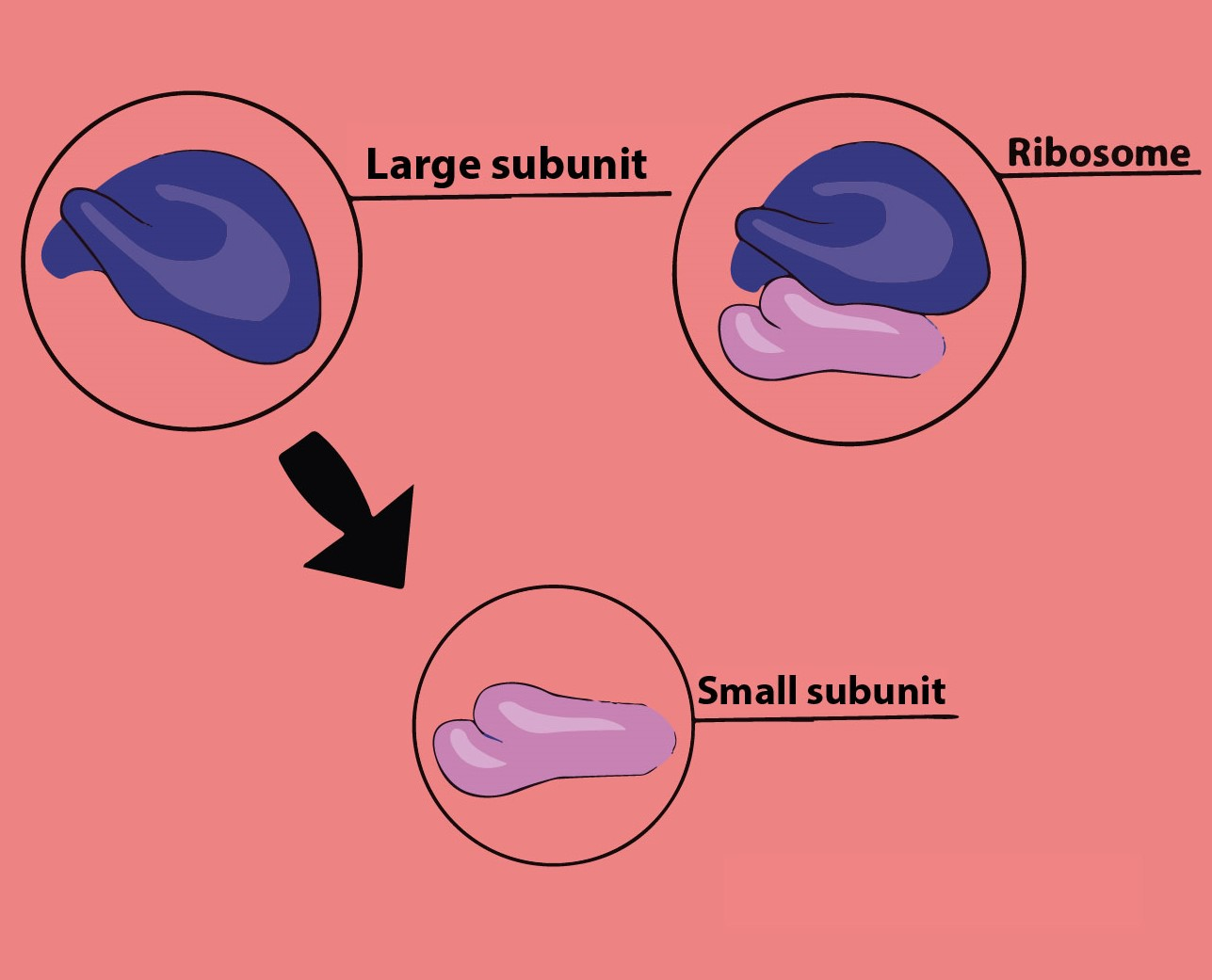
Hint: It involves Proteins and ribonucleic acid in equal amounts and consists of two sections known as subunits. The mRNA is included in a smaller subunit and decodes it while amino acids are included in the bigger subunit. This organelle is present outside the nuclear membrane.
Complete answer:
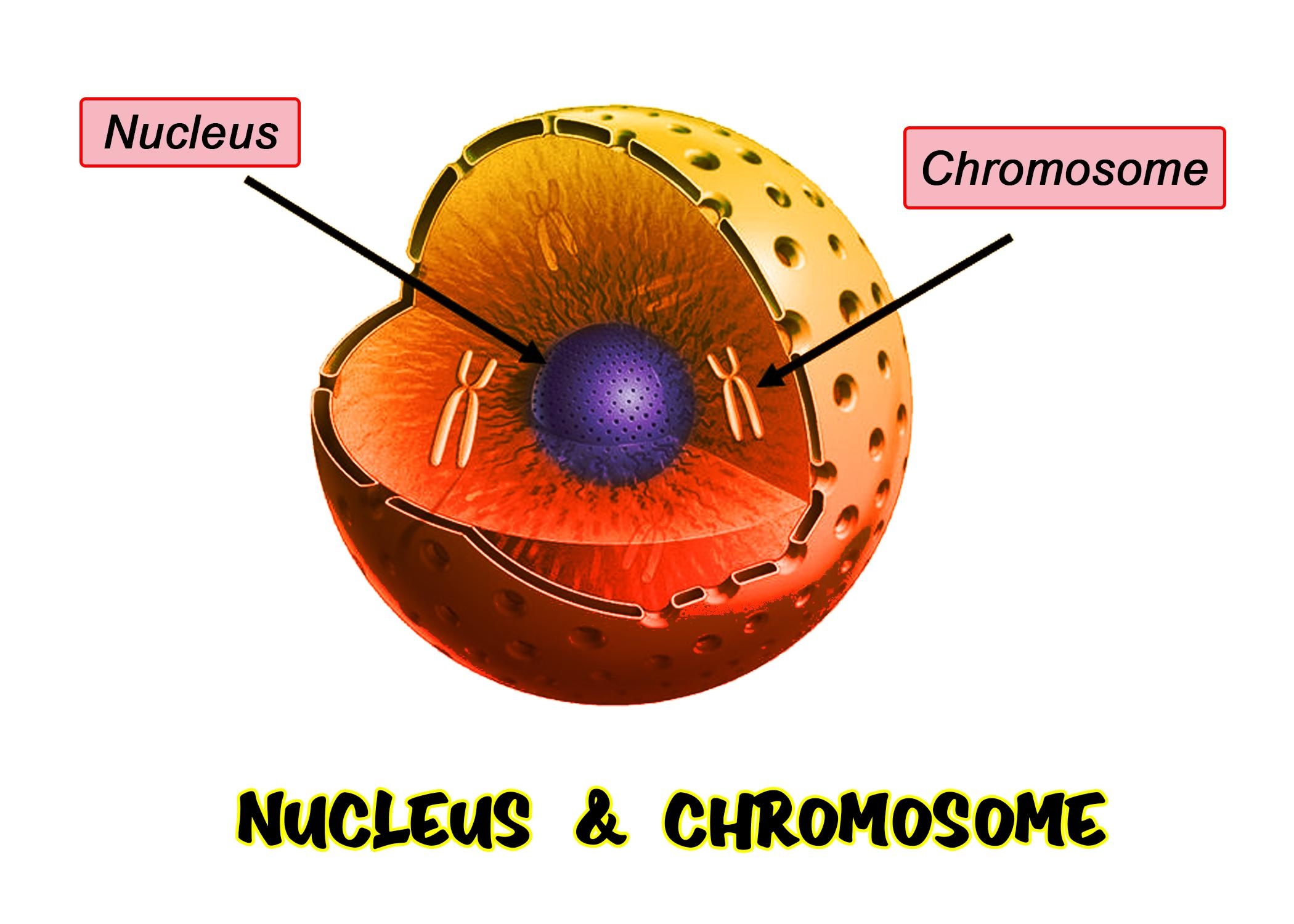
Nucleus -The membrane-bound organelles containing the genetic material that is DNA of eukaryotic organisms is known as the nucleus. By facilitating the transcription and application processes, it maintains the integrity of the cell. It covers the tenth part of the entire cell volume. Hence, it is the largest organelle inside the cell.
Nucleolus - the structure present in the nucleus of eukaryotic cells. It performs the assembling of ribosomes and adjusting the transfer of RNA and sensors cellular stress. It also forms the specific chromosome region composed of RNA and proteins.
Chromosome - it is located inside the nucleus of animal and plant cells and is a thread-like structure. It is made up of molecules of DNA and proteins which is a transfer from parents to offspring. The specific instructions that make a type of living creature unique are present in the DNA.
So, Nucleolus and Chromosomes are the part of Nucleus.
Ribosomes - found in the cytosol of a cell in both eukaryotic cells and prokaryotic cells. It is also found on the surface of the endoplasmic reticulum as well as in the matrix of the mitochondria. Ribosomes perform the protein synthesis in each location which serves a different role in the cell.
- It consists of RNA and proteins which function to synthesize proteins that are needed for many cellular functions mainly repairing damage or directing chemical processes.
Hence, Ribosomes are the odd one because it is not a part of the nucleus.
So, the correct answer is, ”D) Ribosomes”.
Note:
- Ribosomes perform the biological protein synthesis found within all living cells. It is commonly found in the cytosol of a cell on the endoplasmic reticulum or mRNA and in the matrix of the mitochondria.
- The most prominent organelle in a cell is known as the nucleus. It directs the synthesis of ribosomes and proteins. It also houses the cell's DNA.
Complete answer:
Nucleus -The membrane-bound organelles containing the genetic material that is DNA of eukaryotic organisms is known as the nucleus. By facilitating the transcription and application processes, it maintains the integrity of the cell. It covers the tenth part of the entire cell volume. Hence, it is the largest organelle inside the cell.
Nucleolus - the structure present in the nucleus of eukaryotic cells. It performs the assembling of ribosomes and adjusting the transfer of RNA and sensors cellular stress. It also forms the specific chromosome region composed of RNA and proteins.
Chromosome - it is located inside the nucleus of animal and plant cells and is a thread-like structure. It is made up of molecules of DNA and proteins which is a transfer from parents to offspring. The specific instructions that make a type of living creature unique are present in the DNA.
So, Nucleolus and Chromosomes are the part of Nucleus.
Ribosomes - found in the cytosol of a cell in both eukaryotic cells and prokaryotic cells. It is also found on the surface of the endoplasmic reticulum as well as in the matrix of the mitochondria. Ribosomes perform the protein synthesis in each location which serves a different role in the cell.
- It consists of RNA and proteins which function to synthesize proteins that are needed for many cellular functions mainly repairing damage or directing chemical processes.
Hence, Ribosomes are the odd one because it is not a part of the nucleus.
So, the correct answer is, ”D) Ribosomes”.
Note:
- Ribosomes perform the biological protein synthesis found within all living cells. It is commonly found in the cytosol of a cell on the endoplasmic reticulum or mRNA and in the matrix of the mitochondria.
- The most prominent organelle in a cell is known as the nucleus. It directs the synthesis of ribosomes and proteins. It also houses the cell's DNA.
Recently Updated Pages
The given figure shows two endocrine glands marked class 11 biology NEET_UG

Match columnI with columnII and select the correct class 11 biology NEET
Match column I with column II and select the correct class 11 biology NEET_UG
Which floral family has left 9 right + 1 arrangement class 11 biology NEET_UG
Which is not a variety of sheep A Lohi B Beetal C Nellore class 11 biology NEET_UG
Match column I with column II and select the correct class 11 biology NEET_UG
Trending doubts
Difference Between Prokaryotic Cells and Eukaryotic Cells
One Metric ton is equal to kg A 10000 B 1000 C 100 class 11 physics CBSE
Two of the body parts which do not appear in MRI are class 11 biology CBSE
10 examples of friction in our daily life
Draw a diagram of nephron and explain its structur class 11 biology CBSE
Draw a diagram of a plant cell and label at least eight class 11 biology CBSE