




Movement of leaves of the sensitive plant Mimosa is due to
(a)Thermonasty
(b)Seismonasty
(c)Photonasty
(d)Nyctinasty
Answer
 Verified
620.1k+ views
Hint: Mimosa pudica is a perennial plant that is grown for its curiosity value. It consists of compound leaves that get folded in words and drop when they are touched or shaken by the way of defending themselves from being harmed.
Complete answer:
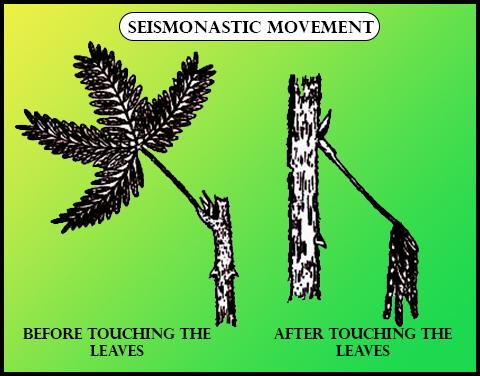
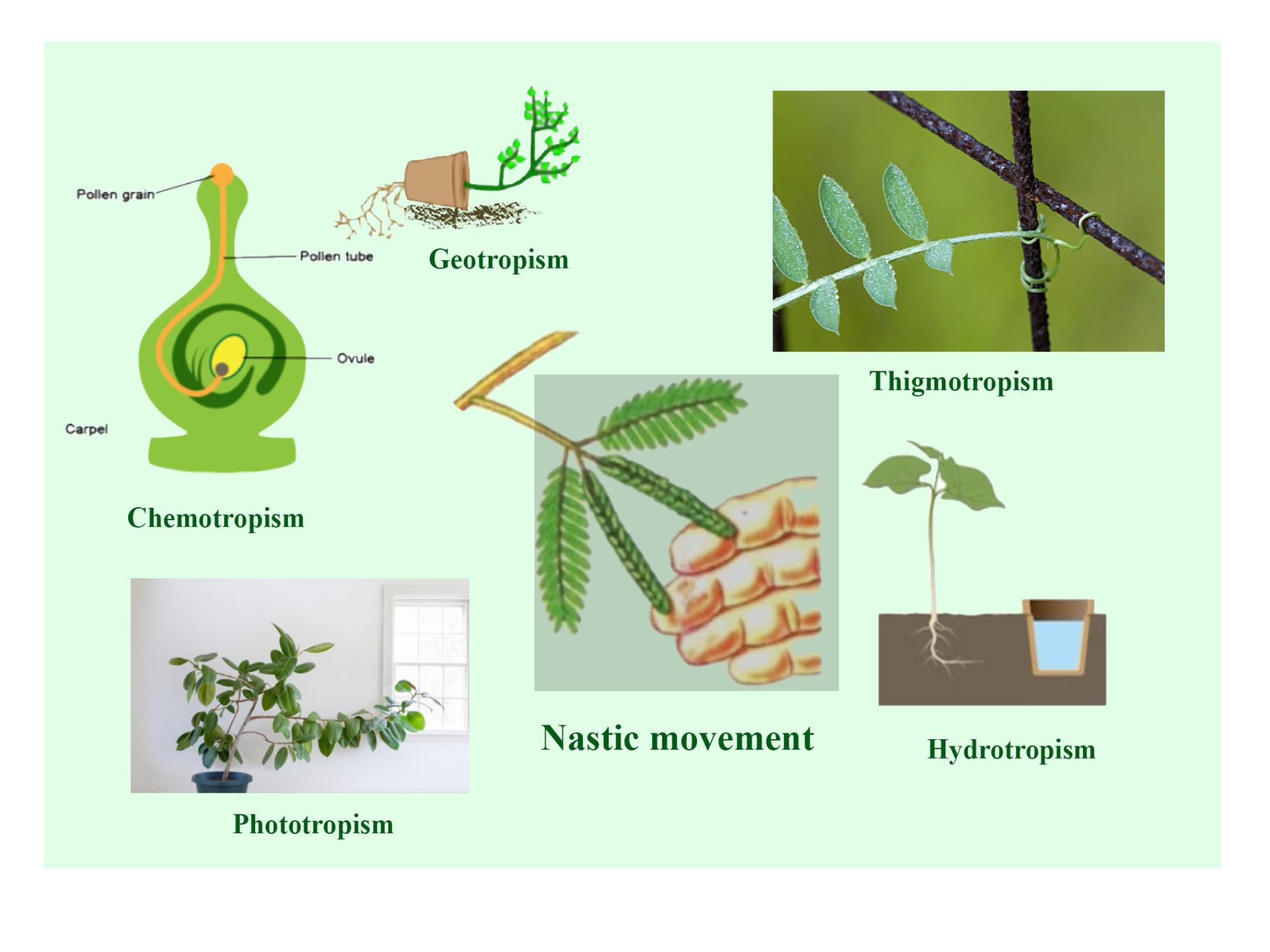
Seismonasty causes the movement of leaves of the sensitive plant Mimosa. It is the response of a plant towards touch or vibration. It differs from thigmotropism as it is independent of the direction of the stimulus. The stem of the plant is erect in young plants and becomes trailing for creeping with age. It can grow up to the length of five feet and consists of pinnately compound leaves. The roots prevent certain pathogenic and mycorrhizal fungi by creating carbon disulfide which contains endosymbiotic diazotrophs that fix atmospheric nitrogen and convert it into a usable form.
Additional Information: Thermonasty: It is a form of nastic movement which is a non-directional response and is directional in plants to temperature. They are regulated by an equal cell elongation in certain plant tissues which cause different tissues to bending. The irreversible cell growth is associated with the plant movement and is independent of other environmental signals. It is a helpful adaptation for colder temperatures to protect and these thermo-nastic movements are for photoprotection as the harsh freezing condition makes leaves more susceptible to words light it from damage from the Sun.
Photonasty: This is the movement that is induced by the fluctuations of light in the intensity and is executed by flowers of several plants. The flowers open with increasing elimination of the day and close with the decrease in light intensity e and get close up with the dawn of the day. it occurs as a result of accelerated growth or change in the turgor cells of an organ.
Nyctinasty: It is the movement of higher plants associated with the response to the darkness or plant sleeping. It is important for the mechanism of Survival and the plant does not show any nyctinastic movements. They are associated with the diurnal light and temperature changes which are controlled by the circadian clock which is known as plant sleeping.
So, the correct answer is 'Seismonasty'.
Note: Each plant of Mimosa pudica produces 700 bristled seeds that are carried on animal fur and used as a feather on clothing. It can be 50 to 70 cm tall and it is very sensitive to touch. It is a common house plant which is used as a cover crop or for erosion control.
Complete answer:
Seismonasty causes the movement of leaves of the sensitive plant Mimosa. It is the response of a plant towards touch or vibration. It differs from thigmotropism as it is independent of the direction of the stimulus. The stem of the plant is erect in young plants and becomes trailing for creeping with age. It can grow up to the length of five feet and consists of pinnately compound leaves. The roots prevent certain pathogenic and mycorrhizal fungi by creating carbon disulfide which contains endosymbiotic diazotrophs that fix atmospheric nitrogen and convert it into a usable form.
Additional Information: Thermonasty: It is a form of nastic movement which is a non-directional response and is directional in plants to temperature. They are regulated by an equal cell elongation in certain plant tissues which cause different tissues to bending. The irreversible cell growth is associated with the plant movement and is independent of other environmental signals. It is a helpful adaptation for colder temperatures to protect and these thermo-nastic movements are for photoprotection as the harsh freezing condition makes leaves more susceptible to words light it from damage from the Sun.
Photonasty: This is the movement that is induced by the fluctuations of light in the intensity and is executed by flowers of several plants. The flowers open with increasing elimination of the day and close with the decrease in light intensity e and get close up with the dawn of the day. it occurs as a result of accelerated growth or change in the turgor cells of an organ.
Nyctinasty: It is the movement of higher plants associated with the response to the darkness or plant sleeping. It is important for the mechanism of Survival and the plant does not show any nyctinastic movements. They are associated with the diurnal light and temperature changes which are controlled by the circadian clock which is known as plant sleeping.
So, the correct answer is 'Seismonasty'.
Note: Each plant of Mimosa pudica produces 700 bristled seeds that are carried on animal fur and used as a feather on clothing. It can be 50 to 70 cm tall and it is very sensitive to touch. It is a common house plant which is used as a cover crop or for erosion control.
Recently Updated Pages
Master Class 11 English: Engaging Questions & Answers for Success

Master Class 11 Physics: Engaging Questions & Answers for Success
Master Class 11 Computer Science: Engaging Questions & Answers for Success
Master Class 11 Chemistry: Engaging Questions & Answers for Success
Master Class 11 Social Science: Engaging Questions & Answers for Success
Master Class 11 Accountancy: Engaging Questions & Answers for Success
Trending doubts
Difference Between Prokaryotic Cells and Eukaryotic Cells
Two of the body parts which do not appear in MRI are class 11 biology CBSE
One Metric ton is equal to kg A 10000 B 1000 C 100 class 11 physics CBSE
10 examples of friction in our daily life
Draw a diagram of nephron and explain its structur class 11 biology CBSE
Draw a diagram of a plant cell and label at least eight class 11 biology CBSE