




Mammals and terrestrial amphibians mainly excrete urea and are called……..
Answer
 Verified
471.3k+ views
Hint: As we know, vertebrates are an animal which have a spinal cord surrounded by bone or cartilage, that is why we call it vertebrates which means having a vertebral column. Animals which do not possess the vertebral column or spine (commonly) are termed to be invertebrates. Vertebrates include birds, fish, amphibians, reptiles and mammals.
Complete answer:
Mammals are considered to be the most intelligent and active among other groups of classification of organisms. There is no doubt they are better than bacteria, fungi and other microorganisms. Mammals have a higher rate of reproductivity as they reproduce sexually compared to other organisms. Their genes carry more enhanced genetic information from the modification which have been occurring from ancient ages, also called as evolution. Mammals live or sustain more that is- there longevity is more compared to other animals.
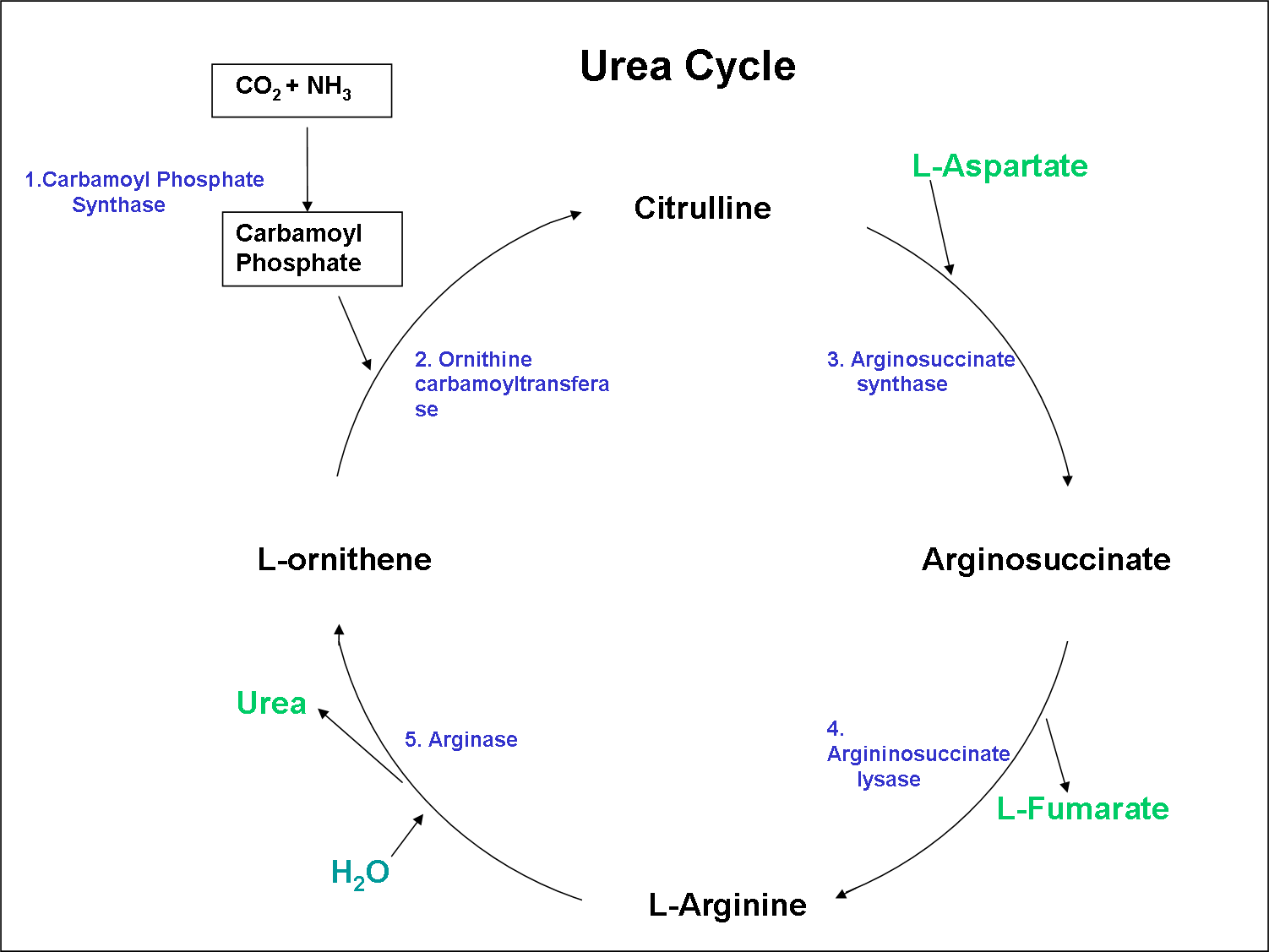
Amphibians are the animals which live in land as well as water. Their excretion mode is similar to mammals. Amphibians and mammals excrete urea hence, they were ureotelic animals. They adapted such a process to conserve water, as ammonia is highly toxic.
Some mammals and amphibians which secrete urea are- human beings, frogs, toads, dogs, goats, cats, elephants, lions, tigers etc. Humans are mammals. They are complex organisms and the highest in order above all animals. The human body system, as we know, holds a complex set of systems and each system has a different set of organs and mechanisms.
Note:
As we discussed how human beings and amphibians excrete, Human excretion occurs in a pair of ureters, urethra, a pair of kidneys. Before eliminating the urea, the wastes undergo filtration and then $80\%$ of the wastes are revert back to the body after filtration and the ammonia is eliminated out. Urea cycle is used to define what amount of nutrients are recycled back and eliminated.
Complete answer:
Mammals are considered to be the most intelligent and active among other groups of classification of organisms. There is no doubt they are better than bacteria, fungi and other microorganisms. Mammals have a higher rate of reproductivity as they reproduce sexually compared to other organisms. Their genes carry more enhanced genetic information from the modification which have been occurring from ancient ages, also called as evolution. Mammals live or sustain more that is- there longevity is more compared to other animals.
Amphibians are the animals which live in land as well as water. Their excretion mode is similar to mammals. Amphibians and mammals excrete urea hence, they were ureotelic animals. They adapted such a process to conserve water, as ammonia is highly toxic.
Some mammals and amphibians which secrete urea are- human beings, frogs, toads, dogs, goats, cats, elephants, lions, tigers etc. Humans are mammals. They are complex organisms and the highest in order above all animals. The human body system, as we know, holds a complex set of systems and each system has a different set of organs and mechanisms.
Note:
As we discussed how human beings and amphibians excrete, Human excretion occurs in a pair of ureters, urethra, a pair of kidneys. Before eliminating the urea, the wastes undergo filtration and then $80\%$ of the wastes are revert back to the body after filtration and the ammonia is eliminated out. Urea cycle is used to define what amount of nutrients are recycled back and eliminated.
Recently Updated Pages
Master Class 11 Computer Science: Engaging Questions & Answers for Success

Master Class 11 Business Studies: Engaging Questions & Answers for Success
Master Class 11 Economics: Engaging Questions & Answers for Success
Master Class 11 English: Engaging Questions & Answers for Success
Master Class 11 Maths: Engaging Questions & Answers for Success
Master Class 11 Biology: Engaging Questions & Answers for Success
Trending doubts
One Metric ton is equal to kg A 10000 B 1000 C 100 class 11 physics CBSE
There are 720 permutations of the digits 1 2 3 4 5 class 11 maths CBSE
Discuss the various forms of bacteria class 11 biology CBSE
Draw a diagram of a plant cell and label at least eight class 11 biology CBSE
State the laws of reflection of light
Explain zero factorial class 11 maths CBSE