




Leaves that are born on the main steam are called
(a) Radical
(b) Ramal
(c) Peltate
(d) Cauline
Answer
 Verified
608.4k+ views
Hint: Leaves are divided into four types based on the insertion of it. By insertion of the leaf, we mean how the leaf is attached to the plant body. Generally, leaves are attached to the nodes of the stem.
Complete answer:
Cauline are the leaves born on the main stem. Some examples of cauline leaves are rose, maize, etc. Ramal types of leaves grow on the lateral branches. Radicles grow from the much condensed underground stem.
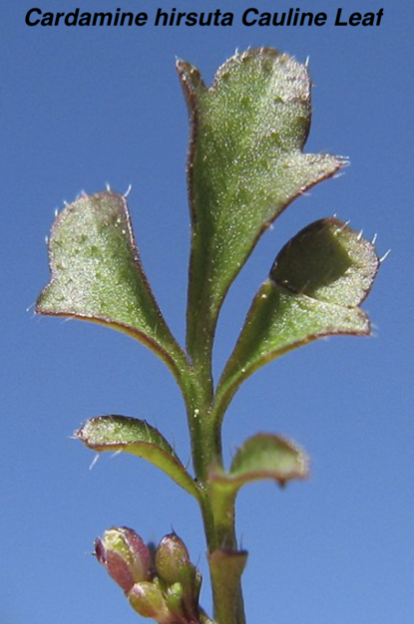
So, the correct answer is Cauline.
Additional Information: The leaf is a flattened lateral appendage of the stem or their branch and develops at the nodes. They are generally green due to the presence of chlorophyll pigments. Based on leaf insertion, the leaves are of 3 types.
Here's an explanation for each term in the question:
- Radicle: These leaves arise from the base of a stem or from a below- ground stem or rhizome that arises directly from the root. These leaves are arranged in a basal rosette in some plant species. Carrot, aloe, and radish is an example of the radicle leaf.
- Ramal: The leaves found on branches are called Ramal leaves. Some examples of Ramal leaf are mango.
- Cauline: These are found on the main stem nodes. Rose is an example of a cauline leaf.
- Peltate: This is a shield-shaped leaf. The stem is attached to the lower surface of the base or margin of the leaf. Some examples of peltate leaves are the leaves of nymphaea, glandulifera, etc.
Note: Cauline types of leaves are attached to the upper side of the main stem at their respective nodes. Generally, the terms like cauline and rosette, etc are not used for non- vascular plants. They are normally used for leaves that occur in a stem in mosses and liverworts.
Complete answer:
Cauline are the leaves born on the main stem. Some examples of cauline leaves are rose, maize, etc. Ramal types of leaves grow on the lateral branches. Radicles grow from the much condensed underground stem.
So, the correct answer is Cauline.
Additional Information: The leaf is a flattened lateral appendage of the stem or their branch and develops at the nodes. They are generally green due to the presence of chlorophyll pigments. Based on leaf insertion, the leaves are of 3 types.
Here's an explanation for each term in the question:
- Radicle: These leaves arise from the base of a stem or from a below- ground stem or rhizome that arises directly from the root. These leaves are arranged in a basal rosette in some plant species. Carrot, aloe, and radish is an example of the radicle leaf.
- Ramal: The leaves found on branches are called Ramal leaves. Some examples of Ramal leaf are mango.
- Cauline: These are found on the main stem nodes. Rose is an example of a cauline leaf.
- Peltate: This is a shield-shaped leaf. The stem is attached to the lower surface of the base or margin of the leaf. Some examples of peltate leaves are the leaves of nymphaea, glandulifera, etc.
Note: Cauline types of leaves are attached to the upper side of the main stem at their respective nodes. Generally, the terms like cauline and rosette, etc are not used for non- vascular plants. They are normally used for leaves that occur in a stem in mosses and liverworts.
Recently Updated Pages
Master Class 9 General Knowledge: Engaging Questions & Answers for Success

Master Class 9 Maths: Engaging Questions & Answers for Success
Master Class 9 Science: Engaging Questions & Answers for Success
Master Class 9 English: Engaging Questions & Answers for Success
Master Class 9 Social Science: Engaging Questions & Answers for Success
Class 9 Question and Answer - Your Ultimate Solutions Guide
Trending doubts
One Metric ton is equal to kg A 10000 B 1000 C 100 class 11 physics CBSE
Difference Between Prokaryotic Cells and Eukaryotic Cells
Two of the body parts which do not appear in MRI are class 11 biology CBSE
1 ton equals to A 100 kg B 1000 kg C 10 kg D 10000 class 11 physics CBSE
10 examples of friction in our daily life
Name the Largest and the Smallest Cell in the Human Body ?