




In the typical structure of the plasma membrane
(A) The lipids are amphipathic
(B) proteins are arranged asymmetrically and show flip flop movement
(C) Extrinsic proteins are abundant towards the cytoplasmic face
(a) All are correct
(b) a,b is correct
(c) b,c is correct
(d) a,c is correct
Answer
 Verified
574.2k+ views
Hint: Amphipathic molecules have both hydrophilic and hydrophobic parts. The fluid mosaic model explains the protein movement.cytoplasmic face has abundant peripheral proteins
Complete answer:
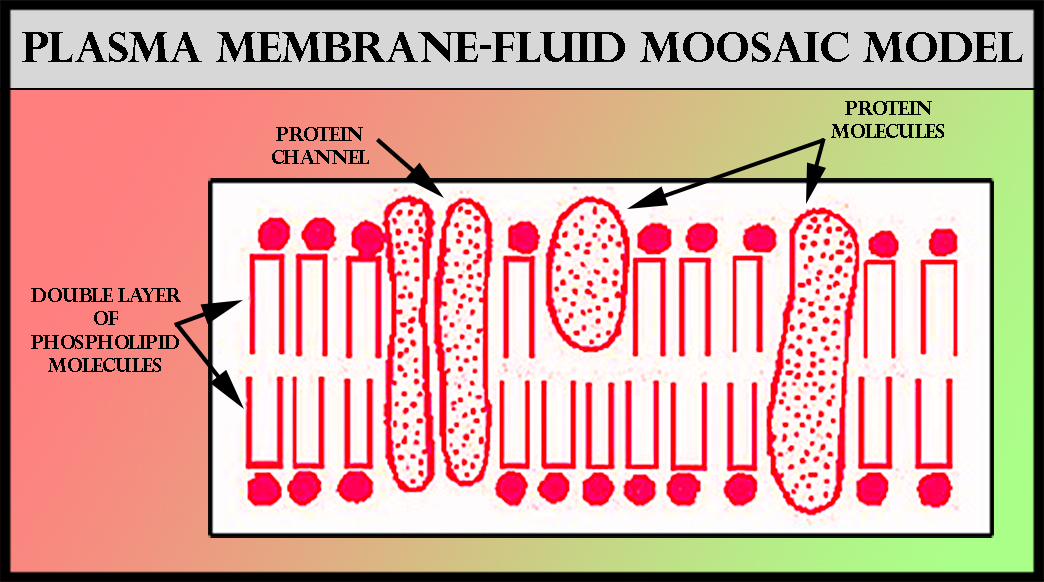
In the plasma membrane, lipids are arranged with the hydrophilic head towards the outside and hydrophobic tail towards the inner part. The molecules which have both hydrophilic and hydrophobic priority are called amphipathic molecules. Proteins are arranged asymmetrically and they show flip flop movements explained by the fluid mosaic model. Intrinsic or internal proteins are extrinsic proteins. extrinsic proteins are more on the inner side of the plasma membrane that is towards the cytoplasm.
Additional Information: -Lipids in the plasma membrane are arranged as a bilayer and are amphipathic. The head is hydrophilic facing outside and the tail is hydrophobic facing towards the inner part to protect it from the aqueous environment
-Membrane proteins are classified into internal proteins and peripheral proteins. peripheral proteins are abundant towards the cytoplasmic face.
-The fluid mosaic model shows the movement of proteins within the overall bilayer of the lipid membrane.
-This fluid nature of the membrane is important for cell growth, secretion, endocytosis, etc.
-One of the most important functions of the plasma membrane is to transport molecules inside and outside the cell.
-So, the correct answer is "all are correct".
Note: - Singer and Nicolson in 1972 proposed a fluid mosaic model.
-Many molecules pass the plasma membrane without the utilization of energy and that is called passive transport. If they use energy that is ATP to transport that is called Active transport.
Complete answer:
In the plasma membrane, lipids are arranged with the hydrophilic head towards the outside and hydrophobic tail towards the inner part. The molecules which have both hydrophilic and hydrophobic priority are called amphipathic molecules. Proteins are arranged asymmetrically and they show flip flop movements explained by the fluid mosaic model. Intrinsic or internal proteins are extrinsic proteins. extrinsic proteins are more on the inner side of the plasma membrane that is towards the cytoplasm.
Additional Information: -Lipids in the plasma membrane are arranged as a bilayer and are amphipathic. The head is hydrophilic facing outside and the tail is hydrophobic facing towards the inner part to protect it from the aqueous environment
-Membrane proteins are classified into internal proteins and peripheral proteins. peripheral proteins are abundant towards the cytoplasmic face.
-The fluid mosaic model shows the movement of proteins within the overall bilayer of the lipid membrane.
-This fluid nature of the membrane is important for cell growth, secretion, endocytosis, etc.
-One of the most important functions of the plasma membrane is to transport molecules inside and outside the cell.
-So, the correct answer is "all are correct".
Note: - Singer and Nicolson in 1972 proposed a fluid mosaic model.
-Many molecules pass the plasma membrane without the utilization of energy and that is called passive transport. If they use energy that is ATP to transport that is called Active transport.
Recently Updated Pages
Master Class 11 Computer Science: Engaging Questions & Answers for Success

Master Class 11 Business Studies: Engaging Questions & Answers for Success
Master Class 11 Economics: Engaging Questions & Answers for Success
Master Class 11 English: Engaging Questions & Answers for Success
Master Class 11 Maths: Engaging Questions & Answers for Success
Master Class 11 Biology: Engaging Questions & Answers for Success
Trending doubts
One Metric ton is equal to kg A 10000 B 1000 C 100 class 11 physics CBSE
There are 720 permutations of the digits 1 2 3 4 5 class 11 maths CBSE
Discuss the various forms of bacteria class 11 biology CBSE
Draw a diagram of a plant cell and label at least eight class 11 biology CBSE
State the laws of reflection of light
Explain zero factorial class 11 maths CBSE