




In a nuclear reactor, what is the function of moderator?
Answer
 Verified
657k+ views
Hint- A moderator is a material used in a nuclear reactor to slow down the speed of neutrons in nuclear fission.
Complete step by step answer:
Moderators are the substance that slows down the neutrons in nuclear reactors. Moderators are made up of materials with light nuclei that do not absorb the neutrons but slow down the speed of neutrons by a series of successive collisions.
For example, graphite, beryllium, etc.
The detailed action of the moderator is the following.
Fast neutrons are passed through a substance like paraffin, deuterium, or water, which contain a large number of hydrogen nuclei or protons. Neutrons and protons have nearly the same mass. When fast-moving neutrons are passed through paraffin, they make elastic collisions with protons, which have comparatively much smaller velocities. In a few interactions, the velocities of neutrons get interchange with those of protons. The final velocities of the neutrons correspond to random velocities of the atoms or molecules of the moderator at the room temperature. Such neutrons are called thermal neutrons.
A good moderator has two properties;
It slows down neutrons by elastic collisions.
It does remove neutrons from the system by absorbing them.
Additional information:
To choose a moderator: some materials are better at slowing down neutrons than others. Conservation of energy and momentum explains that a neutron can be slowed down much after collision with light nuclei.
In nuclear power plants, nuclear reactors are used. Nuclear reactors contain and control chain reactions in nuclear fission.
Note: Any substance which is used to slow down fast neutrons to thermal energies is called a moderator.
The moderator should not absorb the neutron. This means that the moderator used in the nuclear reactor must have low absorption of the neutron.
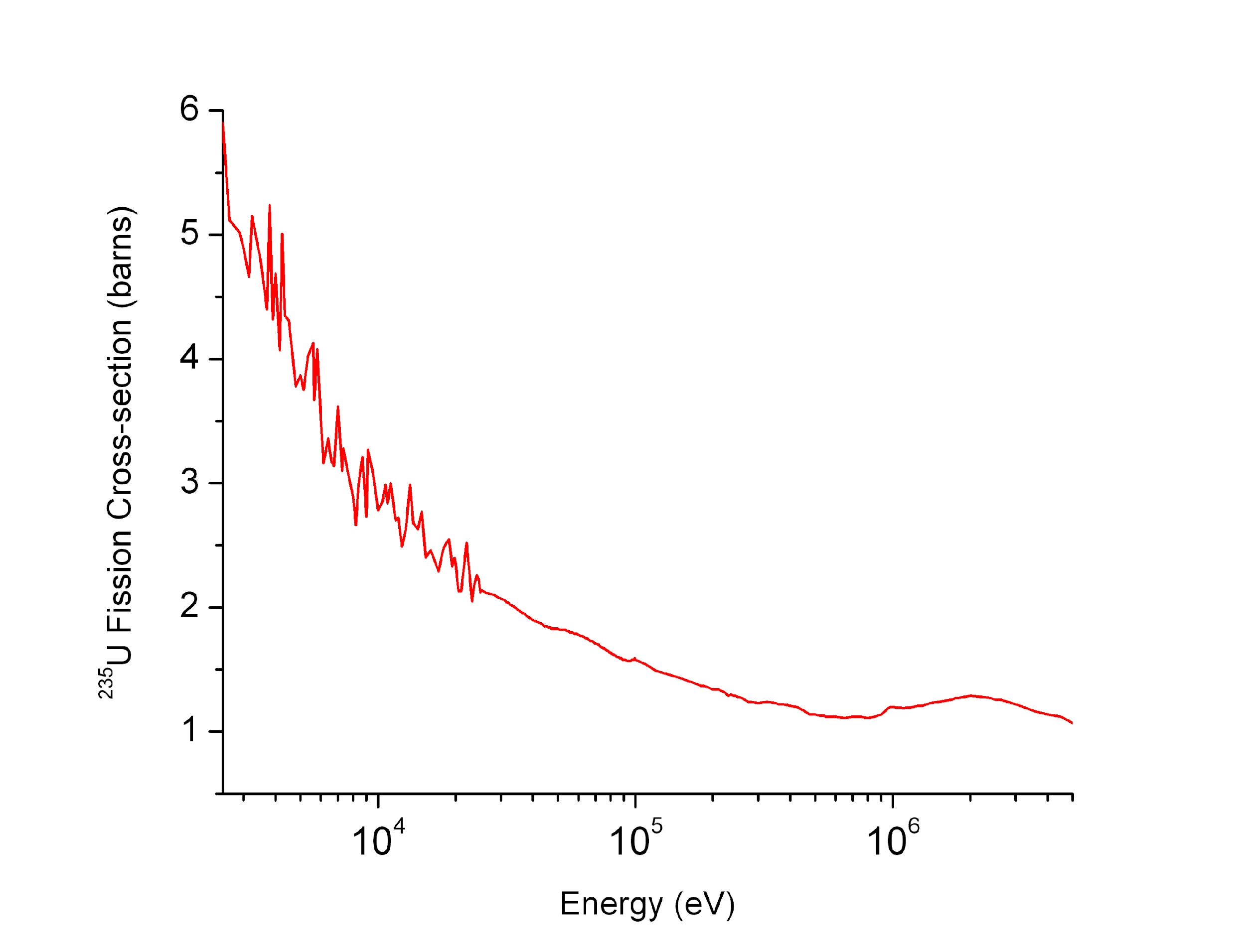
Complete step by step answer:
Moderators are the substance that slows down the neutrons in nuclear reactors. Moderators are made up of materials with light nuclei that do not absorb the neutrons but slow down the speed of neutrons by a series of successive collisions.
For example, graphite, beryllium, etc.
The detailed action of the moderator is the following.
Fast neutrons are passed through a substance like paraffin, deuterium, or water, which contain a large number of hydrogen nuclei or protons. Neutrons and protons have nearly the same mass. When fast-moving neutrons are passed through paraffin, they make elastic collisions with protons, which have comparatively much smaller velocities. In a few interactions, the velocities of neutrons get interchange with those of protons. The final velocities of the neutrons correspond to random velocities of the atoms or molecules of the moderator at the room temperature. Such neutrons are called thermal neutrons.
A good moderator has two properties;
It slows down neutrons by elastic collisions.
It does remove neutrons from the system by absorbing them.
Additional information:
To choose a moderator: some materials are better at slowing down neutrons than others. Conservation of energy and momentum explains that a neutron can be slowed down much after collision with light nuclei.
In nuclear power plants, nuclear reactors are used. Nuclear reactors contain and control chain reactions in nuclear fission.
Note: Any substance which is used to slow down fast neutrons to thermal energies is called a moderator.
The moderator should not absorb the neutron. This means that the moderator used in the nuclear reactor must have low absorption of the neutron.
Recently Updated Pages
Master Class 12 Economics: Engaging Questions & Answers for Success

Master Class 12 Social Science: Engaging Questions & Answers for Success
Master Class 12 English: Engaging Questions & Answers for Success
Master Class 12 Maths: Engaging Questions & Answers for Success
Master Class 12 Physics: Engaging Questions & Answers for Success
Master Class 12 Biology: Engaging Questions & Answers for Success
Trending doubts
Draw a labelled sketch of the human eye class 12 physics CBSE
Which are the Top 10 Largest Countries of the World?
Draw ray diagrams each showing i myopic eye and ii class 12 physics CBSE
Which is the correct genotypic ratio of mendel dihybrid class 12 biology CBSE
Differentiate between homogeneous and heterogeneous class 12 chemistry CBSE
Which animal never drinks water in its entire life class 12 biology CBSE