




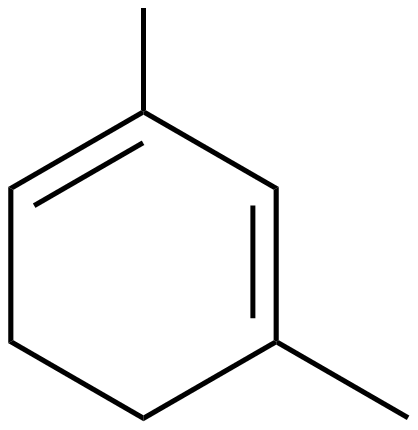
If A, B, and C are the major products of their respective reactions then ‘C’ is
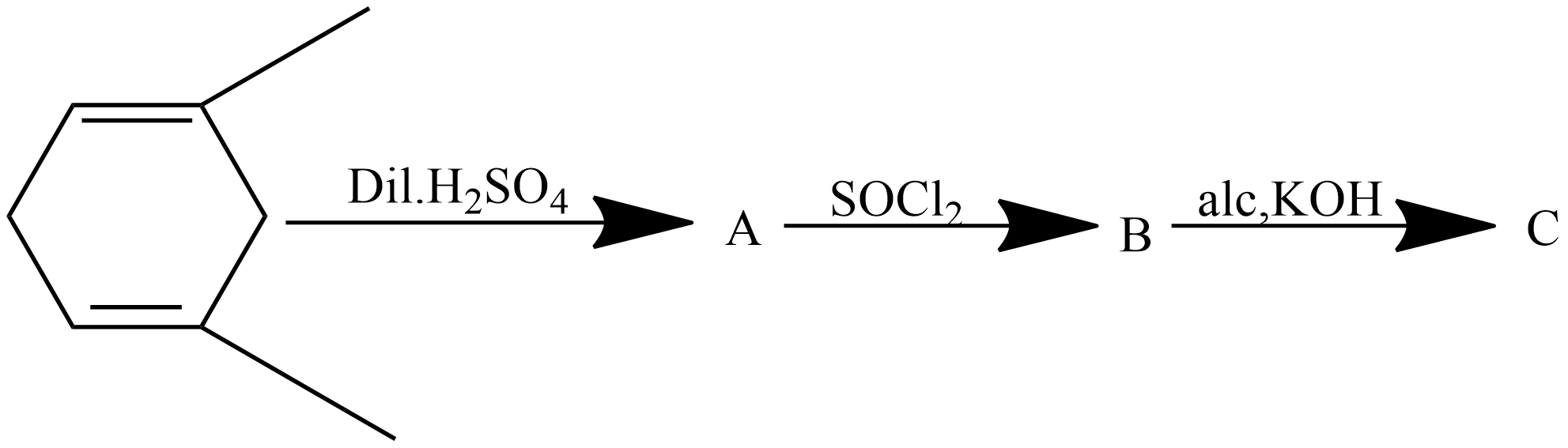
1.
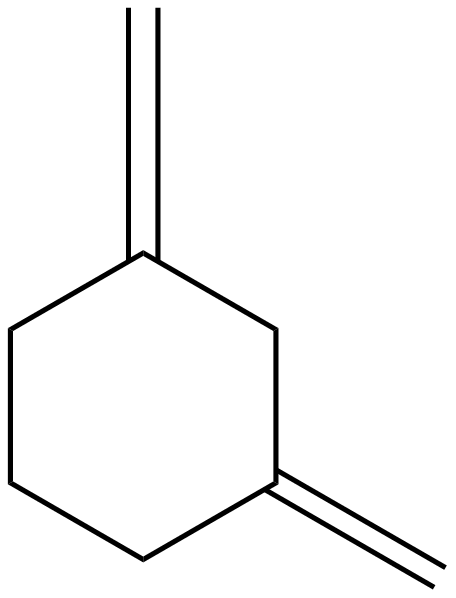
2.
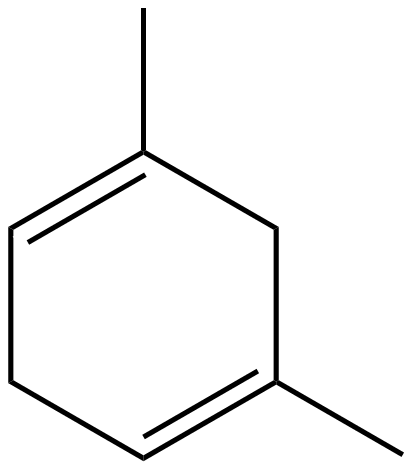
3.
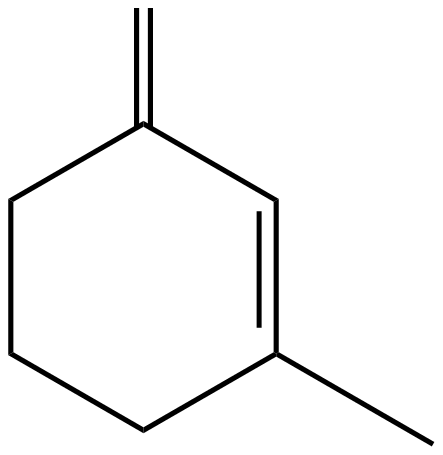
4.
Answer
 Verified
574.2k+ views
Hint: Ring expansion is a type of rearrangement and a special type of rearrangement of the carbocation. It is a process in which the ring gets expanded. For a ring expansion to take place, below are the conditions that need to be satisfied:
1.The ring needs to be three, four, or five numbered
2.Carbocation should be attached to the atom directly attached to the ring.
Complete step by step answer:
To solve the given question, we will utilise the concept of ring expansion. Let's start with the given compound.

Due to mesomeric effect, the above compound can be shown as:

Now when it reacts with dil. $H_2SO_4$, with this compound,then sulfonation occur and we get the compound A and the sulfonation reactions is shown as below:

Hence the compound A formed is 1,3-dimethylcyclohexane-1,3-diyl bis(hydrogen sulphate). Now when this compound reacts with $SOCl_2$, the associated reaction is given below:

The product obtained is 1,3-dichloro-1,3-dimethylcyclohexane and is compound B. Now when this compound reacts with Alcoholic $KOH$, the associated reaction is given below:

The product we get is 1,3-dimethycyclohexane-1-3-diol and the final product obtained is:

So, the correct answer is Option D.
Note: As we know in the case of ring expansion and contraction of an existing ring, we often tend to prepare the structures that are difficult to prepare using a single cyclization reaction which has a slow rate of formation as in the case of a ring involving seven or more members. The ring expansion can be classified under various categories based on the mechanism of reaction and atoms incorporated.
1.The ring needs to be three, four, or five numbered
2.Carbocation should be attached to the atom directly attached to the ring.
Complete step by step answer:
To solve the given question, we will utilise the concept of ring expansion. Let's start with the given compound.
Due to mesomeric effect, the above compound can be shown as:
Now when it reacts with dil. $H_2SO_4$, with this compound,then sulfonation occur and we get the compound A and the sulfonation reactions is shown as below:
Hence the compound A formed is 1,3-dimethylcyclohexane-1,3-diyl bis(hydrogen sulphate). Now when this compound reacts with $SOCl_2$, the associated reaction is given below:
The product obtained is 1,3-dichloro-1,3-dimethylcyclohexane and is compound B. Now when this compound reacts with Alcoholic $KOH$, the associated reaction is given below:
The product we get is 1,3-dimethycyclohexane-1-3-diol and the final product obtained is:
So, the correct answer is Option D.
Note: As we know in the case of ring expansion and contraction of an existing ring, we often tend to prepare the structures that are difficult to prepare using a single cyclization reaction which has a slow rate of formation as in the case of a ring involving seven or more members. The ring expansion can be classified under various categories based on the mechanism of reaction and atoms incorporated.
Recently Updated Pages
Master Class 11 Computer Science: Engaging Questions & Answers for Success

Master Class 11 Business Studies: Engaging Questions & Answers for Success
Master Class 11 Economics: Engaging Questions & Answers for Success
Master Class 11 English: Engaging Questions & Answers for Success
Master Class 11 Maths: Engaging Questions & Answers for Success
Master Class 11 Biology: Engaging Questions & Answers for Success
Trending doubts
One Metric ton is equal to kg A 10000 B 1000 C 100 class 11 physics CBSE
There are 720 permutations of the digits 1 2 3 4 5 class 11 maths CBSE
Discuss the various forms of bacteria class 11 biology CBSE
Draw a diagram of a plant cell and label at least eight class 11 biology CBSE
State the laws of reflection of light
Explain zero factorial class 11 maths CBSE