




Golden rice developed through the transgene approach is enriched with
(a) High lysine content
(b) High methionine content
(c) High glutenin content
(d) High vitamin A content
Answer
 Verified
622.2k+ views
Hint: Rice is a staple food crop for over half of the world's population, supplying people in Asian countries with 30–72 percent of energy intake, and being an important crop for targeted vitamin deficiencies. With genetic modification technologies, the crops are updated with additional nutritional values to enhance people's survival.
Complete Step by Step answer:
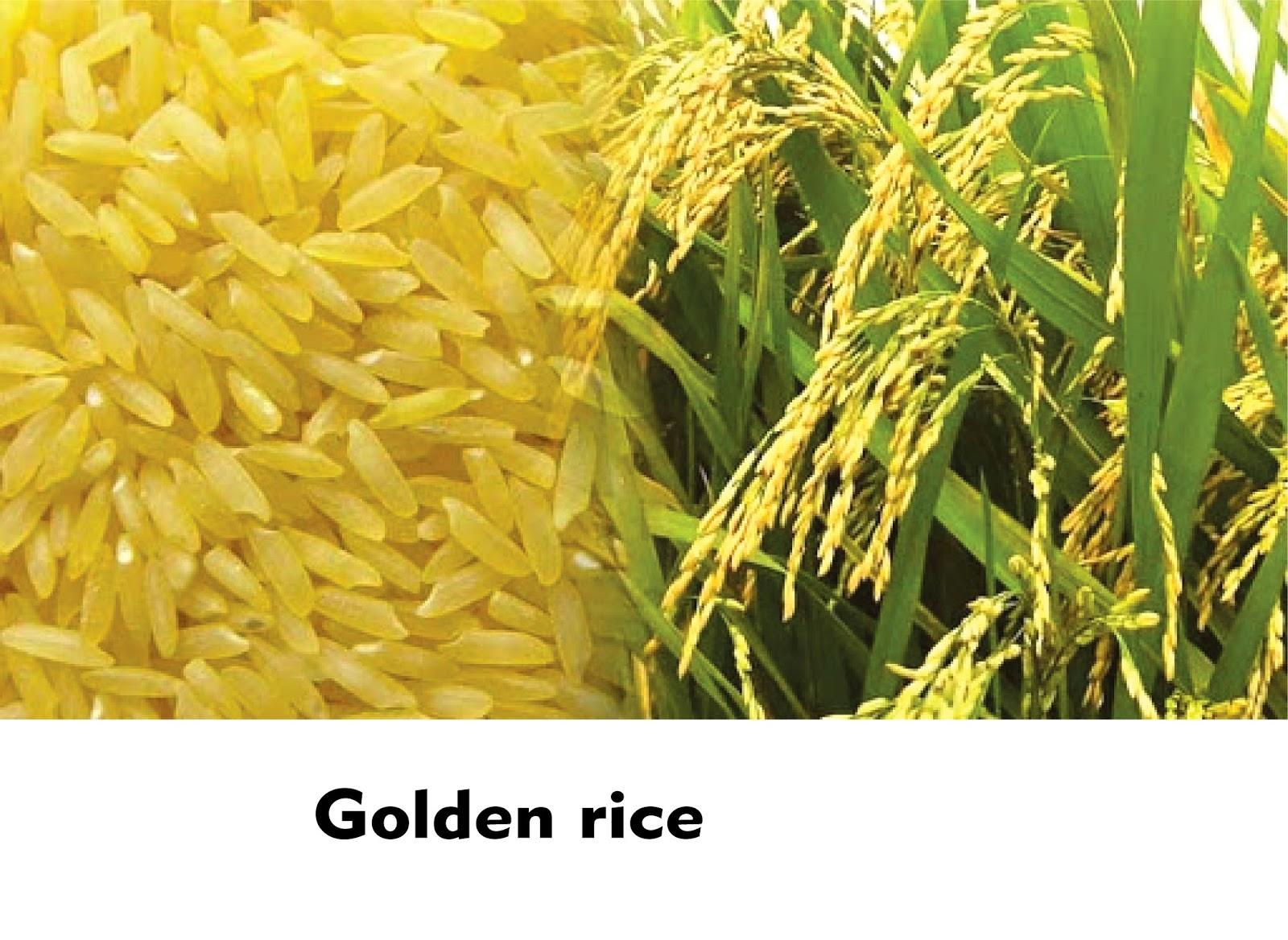
The new genetically modified rice (Oryza sativa) type is golden rice. It is produced for the synthesis of vitamin A, to biosynthesize beta- carotene. It has a high content in vitamin A. It was designed by Peter Beyer. Since rice grains (seeds) are yellow due to $\beta$-carotene, the rice is commonly referred to as golden rice. It is intended to produce a fortified food to be grown and consumed in areas where dietary vitamin A is in short supply, a deficiency which is estimated to kill 670,000 children under the age of 5 each year and cause an additional 500,000 cases of permanent childhood blindness.
So, the correct answer is, ‘High Vitamin A content.’
Additional information:
- Golden Rice is a biofortified, genetically engineered crop. Biofortification increases the crop’s nutritional value.
- The Golden Rice Project was first launched in 1999, when two researchers, Ingo Potrykus and Peter Beyer, proposed to the Rockefeller Foundation their proposal to genetically modify rice in order to increase its nutrients.
- The International Rice Research Institute (IRRI) has agreed to grow Golden Rice to fulfill the inventor's vision: to make the nutritional benefits of Golden Rice available as an alternative vitamin A deficiency (VAD) intervention, at no additional cost compared to white rice, to governments, small farmers or consumers in developing countries.
Note: Golden rice is rice fortified by vitamin A, with a daffodil gene, and rich in carotene. Golden rice differs from its parental strain by incorporating three genes for the biosynthesis of beta- carotene. The parental strain in their leaves will naturally produce beta- carotene, where it is involved in photosynthesis. The plant usually does not contain the pigment in the endosperm, where photosynthesis does not occur.
Complete Step by Step answer:
The new genetically modified rice (Oryza sativa) type is golden rice. It is produced for the synthesis of vitamin A, to biosynthesize beta- carotene. It has a high content in vitamin A. It was designed by Peter Beyer. Since rice grains (seeds) are yellow due to $\beta$-carotene, the rice is commonly referred to as golden rice. It is intended to produce a fortified food to be grown and consumed in areas where dietary vitamin A is in short supply, a deficiency which is estimated to kill 670,000 children under the age of 5 each year and cause an additional 500,000 cases of permanent childhood blindness.
So, the correct answer is, ‘High Vitamin A content.’
Additional information:
- Golden Rice is a biofortified, genetically engineered crop. Biofortification increases the crop’s nutritional value.
- The Golden Rice Project was first launched in 1999, when two researchers, Ingo Potrykus and Peter Beyer, proposed to the Rockefeller Foundation their proposal to genetically modify rice in order to increase its nutrients.
- The International Rice Research Institute (IRRI) has agreed to grow Golden Rice to fulfill the inventor's vision: to make the nutritional benefits of Golden Rice available as an alternative vitamin A deficiency (VAD) intervention, at no additional cost compared to white rice, to governments, small farmers or consumers in developing countries.
Note: Golden rice is rice fortified by vitamin A, with a daffodil gene, and rich in carotene. Golden rice differs from its parental strain by incorporating three genes for the biosynthesis of beta- carotene. The parental strain in their leaves will naturally produce beta- carotene, where it is involved in photosynthesis. The plant usually does not contain the pigment in the endosperm, where photosynthesis does not occur.
Recently Updated Pages
Master Class 12 Business Studies: Engaging Questions & Answers for Success

Master Class 12 Chemistry: Engaging Questions & Answers for Success
Master Class 12 Biology: Engaging Questions & Answers for Success
Class 12 Question and Answer - Your Ultimate Solutions Guide
Master Class 11 English: Engaging Questions & Answers for Success
Master Class 11 Social Science: Engaging Questions & Answers for Success
Trending doubts
Which are the Top 10 Largest Countries of the World?
Draw a labelled sketch of the human eye class 12 physics CBSE
The end of compass needle which points towards north class 12 physics CBSE
Differentiate between homogeneous and heterogeneous class 12 chemistry CBSE
Why is the cell called the structural and functional class 12 biology CBSE
When was the first election held in India a 194748 class 12 sst CBSE