




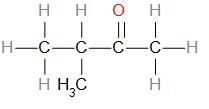
Give the IUPAC name of the compounds numbered (i) to (ii)
(i)
(ii)
(iii)
(iv)
(v)
Answer
 Verified
575.1k+ views
Hint: In chemical nomenclature, the method of naming organic chemical compounds is IUPAC nomenclature. The full form of IUPAC is the International Union of Organic Chemistry. The functional groups are attached as suffixes to the parent chain name.
Complete Step by step solution:
While naming any of the organic compounds, identification of the parent hydrocarbon chain is important. It should have maximum length, maximum number of multiple bonds, maximum number of single bonds. The preference of the functional group should be given according to the priority order. While numbering, the lowest number should be given to the carbon attached to the main functional group. Between the numbers, a comma should be applied. Hyphens are to be put between a number and a letter. When there are two functional groups, the functional group with more priority becomes the parent functional group whereas the second functional group is treated as the substituent. The numbering of the chain can be done in both directions that is from left to right or right to left. According to the IUPAC nomenclature, the following compounds can be named as,
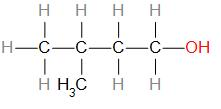
(i)
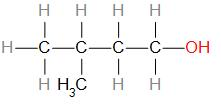
The IUPAC name of this compound is 3-methylbutan-1-ol. The common name of this compound is isoamyl alcohol.
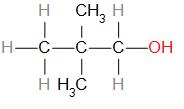
(ii)
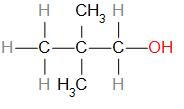
The IUPAC name of this compound is 2,2-dimethylpropan-1-ol. The common name of this compound is neopentyl alcohol.
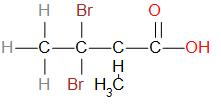
(iii)
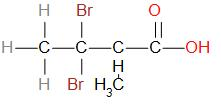
The IUPAC name of this compound is 3,3-dibromo-2-methylbutan-1-oic acid. This compound can also be named as 3-bromo-2-methylbutyric acid.
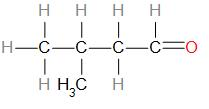
(iv)
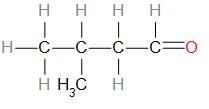
The IUPAC name of this compound is 3-methylbutan-1-al. The common name of this compound is isovaleraldehyde.
(v)
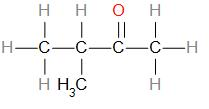
The IUPAC name of this compound is 3-methylbutan-2-al. The common name of this compound is methyl isopropyl ketone.
Note:
The priority among the following functional groups is as follows, Carboxylic acid > Aldehyde > Ketone > Alcohol The nomenclature of the compound will be done according to this priority order. Usually, functional groups define the properties of the compounds.
Complete Step by step solution:
While naming any of the organic compounds, identification of the parent hydrocarbon chain is important. It should have maximum length, maximum number of multiple bonds, maximum number of single bonds. The preference of the functional group should be given according to the priority order. While numbering, the lowest number should be given to the carbon attached to the main functional group. Between the numbers, a comma should be applied. Hyphens are to be put between a number and a letter. When there are two functional groups, the functional group with more priority becomes the parent functional group whereas the second functional group is treated as the substituent. The numbering of the chain can be done in both directions that is from left to right or right to left. According to the IUPAC nomenclature, the following compounds can be named as,
(i)
The IUPAC name of this compound is 3-methylbutan-1-ol. The common name of this compound is isoamyl alcohol.
(ii)
The IUPAC name of this compound is 2,2-dimethylpropan-1-ol. The common name of this compound is neopentyl alcohol.
(iii)
The IUPAC name of this compound is 3,3-dibromo-2-methylbutan-1-oic acid. This compound can also be named as 3-bromo-2-methylbutyric acid.
(iv)
The IUPAC name of this compound is 3-methylbutan-1-al. The common name of this compound is isovaleraldehyde.
(v)
The IUPAC name of this compound is 3-methylbutan-2-al. The common name of this compound is methyl isopropyl ketone.
Note:
The priority among the following functional groups is as follows, Carboxylic acid > Aldehyde > Ketone > Alcohol The nomenclature of the compound will be done according to this priority order. Usually, functional groups define the properties of the compounds.
Recently Updated Pages
Master Class 11 Social Science: Engaging Questions & Answers for Success

Master Class 11 English: Engaging Questions & Answers for Success
Master Class 11 Maths: Engaging Questions & Answers for Success
Master Class 11 Chemistry: Engaging Questions & Answers for Success
Master Class 11 Biology: Engaging Questions & Answers for Success
Master Class 11 Physics: Engaging Questions & Answers for Success
Trending doubts
One Metric ton is equal to kg A 10000 B 1000 C 100 class 11 physics CBSE
Difference Between Prokaryotic Cells and Eukaryotic Cells
How many of the following diseases can be studied with class 11 biology CBSE
Which of the following enzymes is used for carboxylation class 11 biology CBSE
Draw a diagram of a plant cell and label at least eight class 11 biology CBSE
Two of the body parts which do not appear in MRI are class 11 biology CBSE