




Explain about cryptogram plants and Phanerogam plants.
Answer
 Verified
563.1k+ views
Hint: A flowering plant is one that produces a flower at some stage during its life cycle. Angiosperm refers to a flowering plant. It's crucial to note that the flower is a component of the reproduction process. Seeds are produced by all flowering plants. Plants that do not produce flowers are known as nonflowering plants. Gymnosperms are non-flowering plants that still grow seeds. Conifer trees, such as pines, are among the best-known gymnosperms.
Complete explanation:
A cryptogam is a plant or plant-like organism that reproduces by spores rather than seeds or flowers. We call them "plant-like" species because they lack the structures we associate with plants, such as true stems, roots, leaves, flowers, or seeds, and their reproductive parts are covered. Cryptogams include non-photosynthetic species historically categorised as plants, such as fungi, slime moulds, and bacteria, as well as algae, lichens, mosses, and ferns. Linnaean taxonomy no longer uses this classification. These can be found in both marine and terrestrial environments.
Phanerogams are plants with unique structures for reproduction and seed development. After the process of reproduction, seeds are produced in these plants, which contain the embryo and stored food, which is used for the embryo's initial growth during germination of the seed. Often, phanerogams are classified as gymnosperms or angiosperms depending on whether or not the seeds are enclosed in a fruit.
Note:
The kingdom Plantae has two classifications: cryptogams and phanerogams. Cryptogams and phanerogams are both autotrophic eukaryotes that eat other eukaryotes. Cryptogams and phanerogams all have cellulose in their cell walls. Chlorophyll is used in both cryptogams and phanerogams. Sessile cryptogams and phanerogams are the most common. Thallophyta, Bryophyta, and Pteridophyta are cryptogams. Gymnosperms and angiosperms make up the phanerogams.
Example for cryptogram plants:
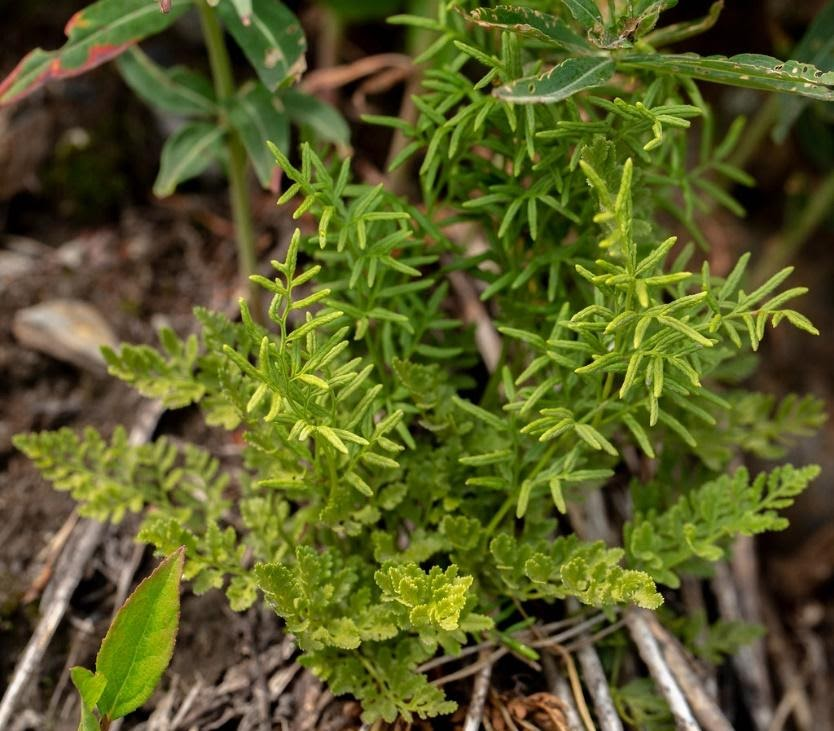
Example for Phanerogam plants:

Complete explanation:
A cryptogam is a plant or plant-like organism that reproduces by spores rather than seeds or flowers. We call them "plant-like" species because they lack the structures we associate with plants, such as true stems, roots, leaves, flowers, or seeds, and their reproductive parts are covered. Cryptogams include non-photosynthetic species historically categorised as plants, such as fungi, slime moulds, and bacteria, as well as algae, lichens, mosses, and ferns. Linnaean taxonomy no longer uses this classification. These can be found in both marine and terrestrial environments.
Phanerogams are plants with unique structures for reproduction and seed development. After the process of reproduction, seeds are produced in these plants, which contain the embryo and stored food, which is used for the embryo's initial growth during germination of the seed. Often, phanerogams are classified as gymnosperms or angiosperms depending on whether or not the seeds are enclosed in a fruit.
Note:
The kingdom Plantae has two classifications: cryptogams and phanerogams. Cryptogams and phanerogams are both autotrophic eukaryotes that eat other eukaryotes. Cryptogams and phanerogams all have cellulose in their cell walls. Chlorophyll is used in both cryptogams and phanerogams. Sessile cryptogams and phanerogams are the most common. Thallophyta, Bryophyta, and Pteridophyta are cryptogams. Gymnosperms and angiosperms make up the phanerogams.
Example for cryptogram plants:
Example for Phanerogam plants:
Recently Updated Pages
Master Class 11 English: Engaging Questions & Answers for Success

Master Class 11 Physics: Engaging Questions & Answers for Success
Master Class 11 Computer Science: Engaging Questions & Answers for Success
Master Class 11 Chemistry: Engaging Questions & Answers for Success
Master Class 11 Social Science: Engaging Questions & Answers for Success
Master Class 11 Accountancy: Engaging Questions & Answers for Success
Trending doubts
Difference Between Prokaryotic Cells and Eukaryotic Cells
Two of the body parts which do not appear in MRI are class 11 biology CBSE
One Metric ton is equal to kg A 10000 B 1000 C 100 class 11 physics CBSE
10 examples of friction in our daily life
Draw a diagram of nephron and explain its structur class 11 biology CBSE
Draw a diagram of a plant cell and label at least eight class 11 biology CBSE