




Differentiate between uniform and non-uniform acceleration.
Answer
 Verified
565.8k+ views
Hint: The term ‘uniform’ signifies a process which is constant and non-uniform is just the opposite of it, which is not at a constant.
Complete step by step answer:
In order to answer this question, we should first understand what acceleration is. Acceleration of an object is defined as the rate of change of velocity of that object. In simple words when there is a change in velocity of a body at a particular interval of time, we say that the body is being accelerated.
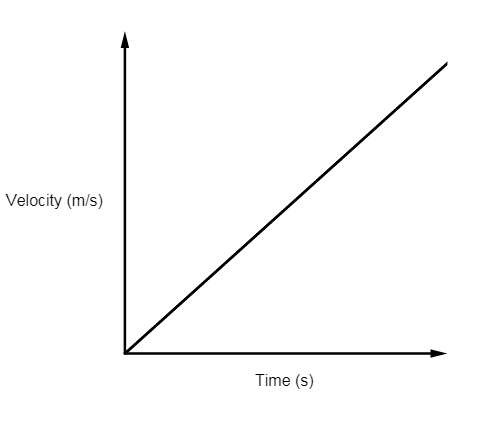
Uniform Acceleration: We can define uniform acceleration as the acceleration in which the velocity of a body changes at a constant rate in a given interval of time. Or we can define it as an acceleration in which its magnitude and direction don’t change with time. For example, the motion of a freely falling body is an example of a body travelling with uniform acceleration. The acceleration, in this case, is the acceleration due to gravity (g).
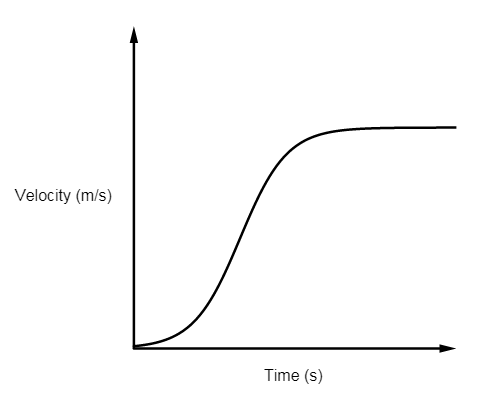
Non-Uniform Acceleration: We can define non-uniform acceleration as the acceleration in which the velocity of a body does not change at a constant rate in a given interval of time. In non-uniform motion, the direction of the body or the magnitude of acceleration can change with time. Non-uniform is found in our daily lives, imagine driving a car on a road, there is repeated increase or decrease in the velocity of the vehicle depending on the vehicle at unequal intervals of time so the car undergoes non-uniform acceleration.
Note:
Acceleration is a vector quantity. The area under the acceleration v/s time graph gives the change in velocity. The slope of a velocity v/s time graph gives the acceleration of the body.
Complete step by step answer:
In order to answer this question, we should first understand what acceleration is. Acceleration of an object is defined as the rate of change of velocity of that object. In simple words when there is a change in velocity of a body at a particular interval of time, we say that the body is being accelerated.
Uniform Acceleration: We can define uniform acceleration as the acceleration in which the velocity of a body changes at a constant rate in a given interval of time. Or we can define it as an acceleration in which its magnitude and direction don’t change with time. For example, the motion of a freely falling body is an example of a body travelling with uniform acceleration. The acceleration, in this case, is the acceleration due to gravity (g).
Non-Uniform Acceleration: We can define non-uniform acceleration as the acceleration in which the velocity of a body does not change at a constant rate in a given interval of time. In non-uniform motion, the direction of the body or the magnitude of acceleration can change with time. Non-uniform is found in our daily lives, imagine driving a car on a road, there is repeated increase or decrease in the velocity of the vehicle depending on the vehicle at unequal intervals of time so the car undergoes non-uniform acceleration.
Note:
Acceleration is a vector quantity. The area under the acceleration v/s time graph gives the change in velocity. The slope of a velocity v/s time graph gives the acceleration of the body.
Recently Updated Pages
Master Class 11 English: Engaging Questions & Answers for Success

Master Class 11 Social Science: Engaging Questions & Answers for Success
Master Class 11 Maths: Engaging Questions & Answers for Success
Master Class 11 Biology: Engaging Questions & Answers for Success
Master Class 11 Physics: Engaging Questions & Answers for Success
Master Class 11 Chemistry: Engaging Questions & Answers for Success
Trending doubts
One Metric ton is equal to kg A 10000 B 1000 C 100 class 11 physics CBSE
Difference Between Prokaryotic Cells and Eukaryotic Cells
Find the value of the expression given below sin 30circ class 11 maths CBSE
Difference between physical and chemical change class 11 chemistry CBSE
Two of the body parts which do not appear in MRI are class 11 biology CBSE
Draw a diagram of a plant cell and label at least eight class 11 biology CBSE