




How is the coringa ecosystem different from the Marine ecosystem you studied?
Answer
 Verified
617.1k+ views
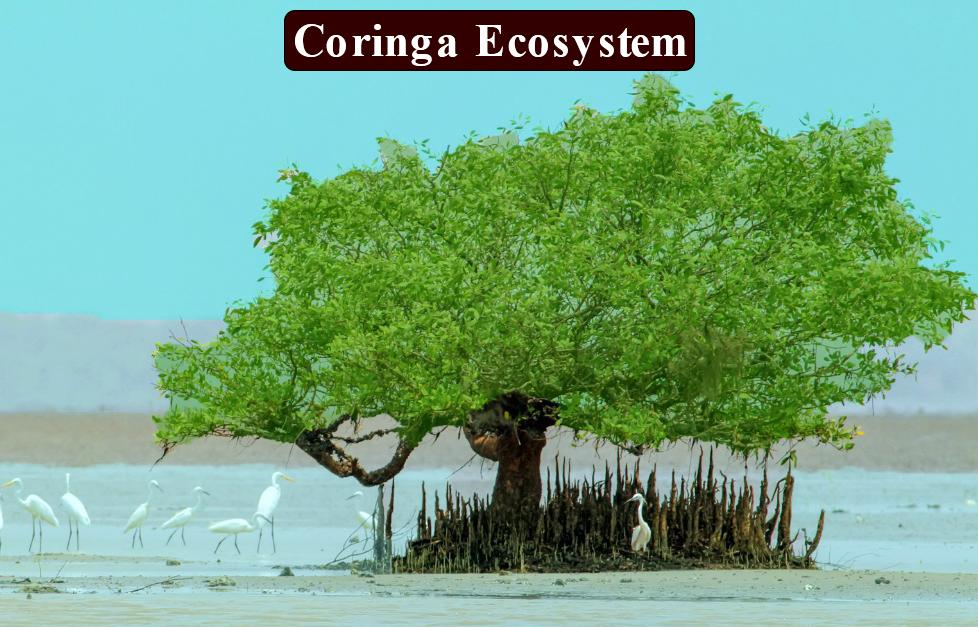
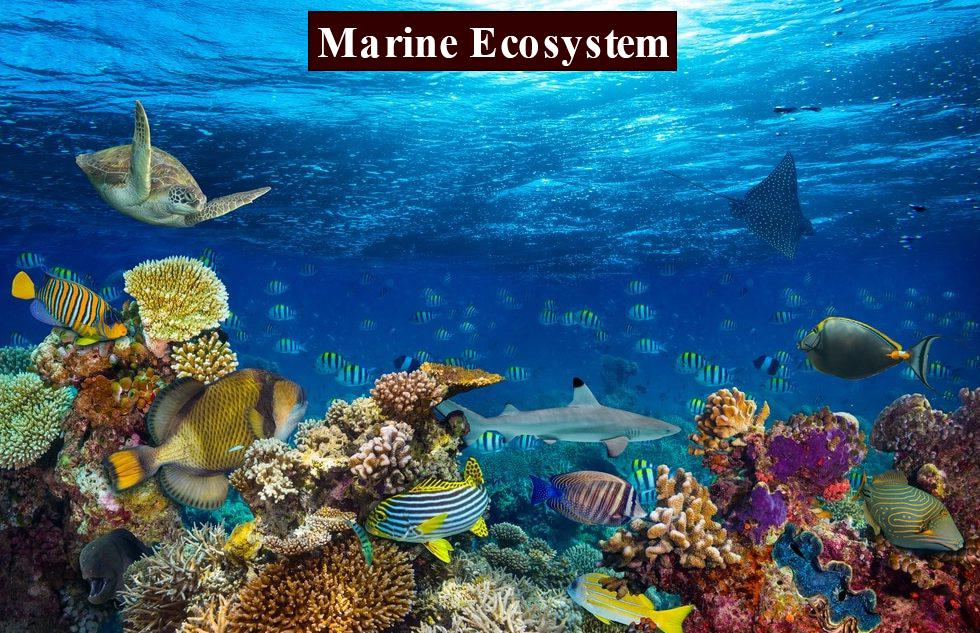
Hint: Coringa ecosystem is an estuarine ecosystem and consists of mangrove swamps. It is formed at the confluence of the Gautami-Godavari river with the Bay of Bengal. The marine ecosystem is the largest of earth aquatic ecosystems and has a high salt content.
Complete step by step answer:
Let's learn some differences between them
Additional information:
- Coringa mangrove is situated south of Kakinada bay and is about 150 kilometers south of Visakhapatnam.
- Coringa is named after the river Corangi. Coringa mangrove receives freshwater from coringa and gaderu rivers.
Biotic components of the Coringa ecosystem are
Producers: mangrove, spirogyra, euglena, blue-green algae, etc.
Consumers: shrimp, crab, hydra, protozoa, turtle,worm etc.
Decomposers: detritus feeding bacteria etc.
Abiotic components: salt and freshwater, air, temperature, soil, etc.
Note:
- Marine ecosystem is an important part of the world because it gives marine life to live and survive such as tiny plankton, fishes, crustaceans, reptiles, etc.
- The most important Marine ecosystems are estuaries and coral reefs.
- Many creeks and Camel travel in the Coringa ecosystem.
Complete step by step answer:
Let's learn some differences between them
| Coringa ecosystem | Marine ecosystem |
| - In the Coringa ecosystem, sea and freshwater meet, as a result, a periodic tide takes place which brings rich nutrients in this region.coringa wildlife sanctuary is located in this area and it supports a wide range of flora and fauna. | - Marine ecosystem refers to the ocean and seas and the other saltwater environment. The various types of marine ecosystems include - salt marshes, estuaries, the ocean floor, the broad ocean, the intertidal zones, coral reefs, lagoons, and mangroves. |
| - The second- largest mangrove formation in India next to Sundarbans is Coringa. | - It is the largest ecosystem of the earth’s aquatic ecosystems. |
| - The coringa wildlife sanctuary is located in this area and supports a wide range of flora and fauna. | - The marine ecosystem has only saltwater organisms. |
| - Coringa is an estuary so it has greater biodiversity. | - It contains only aquatic animals, so biodiversity is not as rich as Coringa. |
Additional information:
- Coringa mangrove is situated south of Kakinada bay and is about 150 kilometers south of Visakhapatnam.
- Coringa is named after the river Corangi. Coringa mangrove receives freshwater from coringa and gaderu rivers.
Biotic components of the Coringa ecosystem are
Producers: mangrove, spirogyra, euglena, blue-green algae, etc.
Consumers: shrimp, crab, hydra, protozoa, turtle,worm etc.
Decomposers: detritus feeding bacteria etc.
Abiotic components: salt and freshwater, air, temperature, soil, etc.
Note:
- Marine ecosystem is an important part of the world because it gives marine life to live and survive such as tiny plankton, fishes, crustaceans, reptiles, etc.
- The most important Marine ecosystems are estuaries and coral reefs.
- Many creeks and Camel travel in the Coringa ecosystem.
Recently Updated Pages
Master Class 12 Business Studies: Engaging Questions & Answers for Success

Master Class 12 Chemistry: Engaging Questions & Answers for Success
Master Class 12 Biology: Engaging Questions & Answers for Success
Class 12 Question and Answer - Your Ultimate Solutions Guide
Master Class 11 English: Engaging Questions & Answers for Success
Master Class 11 Social Science: Engaging Questions & Answers for Success
Trending doubts
Which are the Top 10 Largest Countries of the World?
Draw a labelled sketch of the human eye class 12 physics CBSE
The end of compass needle which points towards north class 12 physics CBSE
Differentiate between homogeneous and heterogeneous class 12 chemistry CBSE
Why is the cell called the structural and functional class 12 biology CBSE
When was the first election held in India a 194748 class 12 sst CBSE