




What is the colonial organism having nematoblasts and blind sac organization?
Answer
 Verified
649.5k+ views
Hint: The nematocysts are the cells that are used as the organs for the defense and resistance. These are also known as cnidae. The blind sac is the sac that contains a single open for the digestive system through which the food is taken and expelled in the same opening.
Complete Answer:
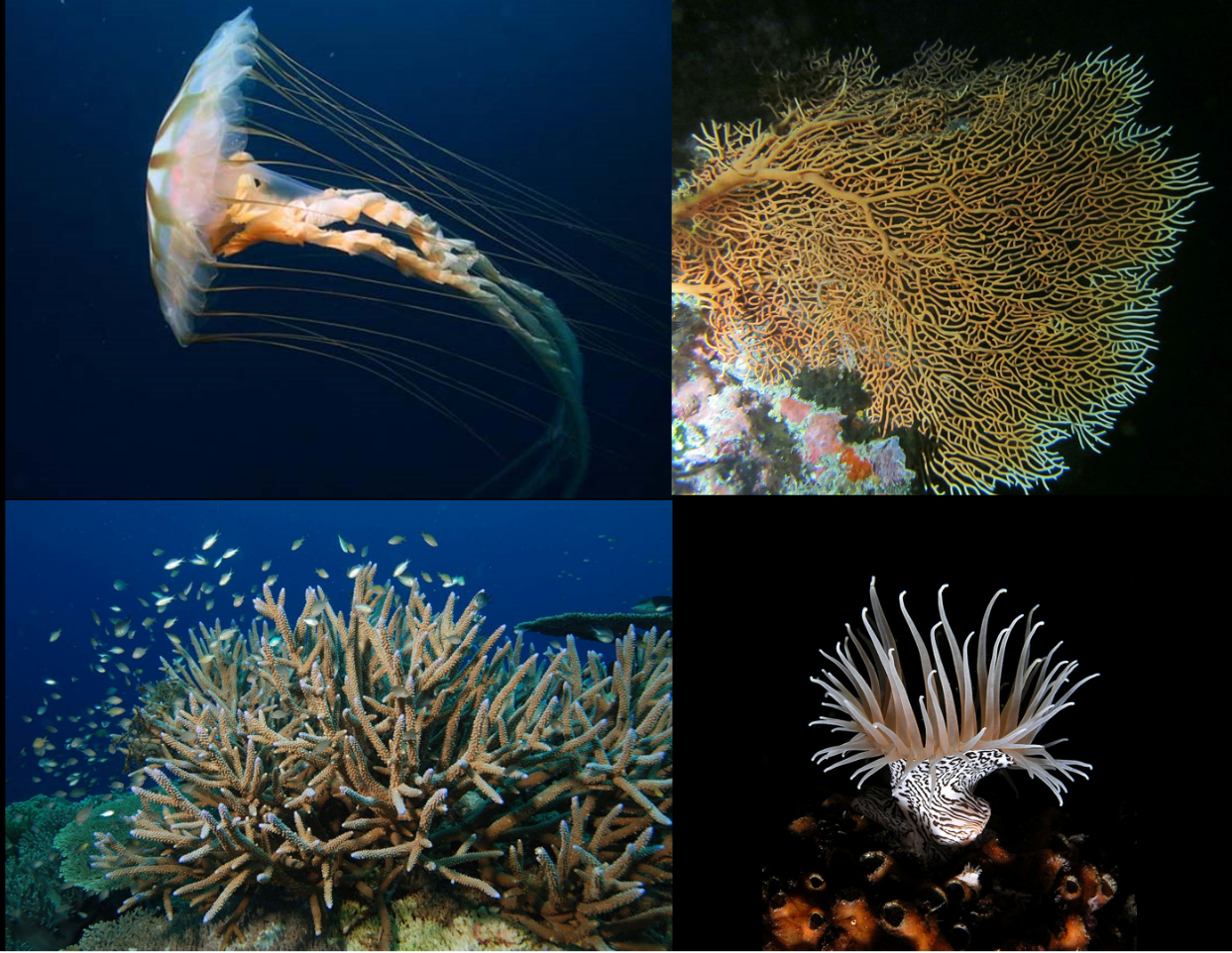
- The organisms like cnidarians or coelenterate have the blind sac organization in their body. They also possess the nematoblasts in them. These nematoblasts are used for the purpose of the defense mechanisms.
- Since the coelenterata have the nematocysts in their body, they are called the cnidarians. The phones that produce the nematocysts in their body are called nematoblasts.
- These nematocysts act as the cell organelles in the cnidoblasts and these are the modification of the epidermal interstitial cells in them. The cnidoblasts are in the oval shape lying on the basal side. The cnidoblasts have an oval or the pyriform sac.
- These oval bladders have the toxic poison in them called hypnotoxin. It is formed from the fusion of proteins and the phenols.
- The other external side has the cylindrical tube which is bent or looped like a sac. The base of the cylindrical tube possesses the spines called thorns. These spines are also called as stylets.
- The cytoplasm present in the cnidoblast has the contractile muscle fiber that helps in keeping the nematocysts from being tossed out of the cell. These cnidoblasts are similar to that of the cell and contain the similar cell organelles like cytoplasm, nucleus etc.
Note: This type of the blind sac organization and the nematoblasts are present in the organism like flatworm, cnidaria, Platyhelminthes, coelenterata, ctenophores etc. It coelenates the organisms like anemones, jellyfish, corals, and hydras are included.
Complete Answer:
- The organisms like cnidarians or coelenterate have the blind sac organization in their body. They also possess the nematoblasts in them. These nematoblasts are used for the purpose of the defense mechanisms.
- Since the coelenterata have the nematocysts in their body, they are called the cnidarians. The phones that produce the nematocysts in their body are called nematoblasts.
- These nematocysts act as the cell organelles in the cnidoblasts and these are the modification of the epidermal interstitial cells in them. The cnidoblasts are in the oval shape lying on the basal side. The cnidoblasts have an oval or the pyriform sac.
- These oval bladders have the toxic poison in them called hypnotoxin. It is formed from the fusion of proteins and the phenols.
- The other external side has the cylindrical tube which is bent or looped like a sac. The base of the cylindrical tube possesses the spines called thorns. These spines are also called as stylets.
- The cytoplasm present in the cnidoblast has the contractile muscle fiber that helps in keeping the nematocysts from being tossed out of the cell. These cnidoblasts are similar to that of the cell and contain the similar cell organelles like cytoplasm, nucleus etc.
Note: This type of the blind sac organization and the nematoblasts are present in the organism like flatworm, cnidaria, Platyhelminthes, coelenterata, ctenophores etc. It coelenates the organisms like anemones, jellyfish, corals, and hydras are included.
Recently Updated Pages
A Paragraph on Pollution in about 100-150 Words

What is BLO What is the full form of BLO class 8 social science CBSE
10 examples of friction in our daily life
Draw a diagram of nephron and explain its structur class 11 biology CBSE
Write structures of the following compounds i 2 Chloro3methylpentane class 11 chemistry CBSE
XIX+XXX A 49 B 51 C 55 D 44 class 5 maths CBSE
Trending doubts
Explain the Treaty of Vienna of 1815 class 10 social science CBSE
Which is the Lowest Point of Earth?
1 GB equals how many MB?
10 examples of evaporation in daily life with explanations
What is the full form of POSCO class 10 social science CBSE
Which is the hottest planet in the Solar system A Earth class 10 social science CBSE