




Cloaca is
(a)Common aperture for digestive and urinary systems
(b)Common aperture for digestive, urinary, and reproductive systems
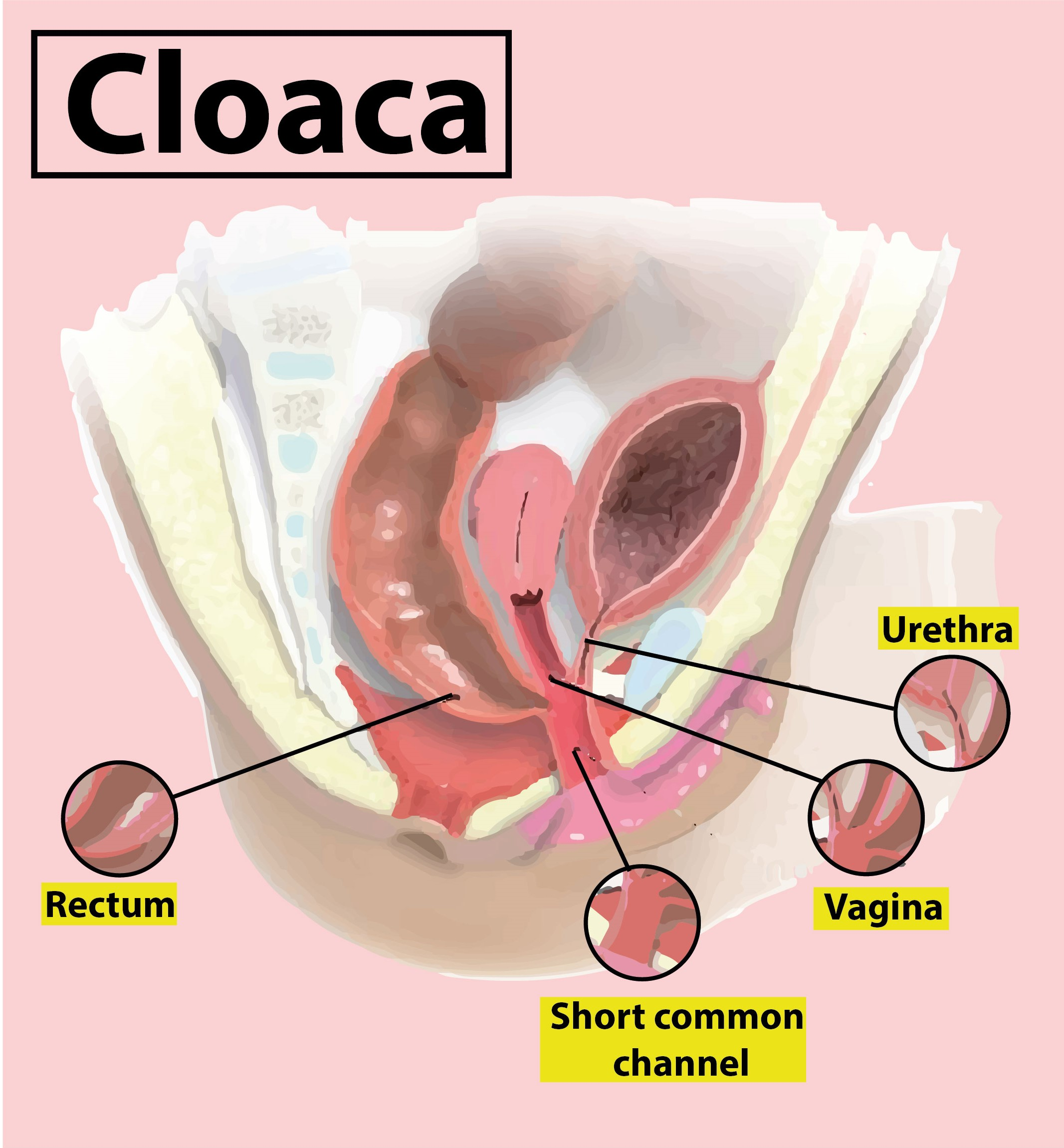
(c)Common chamber in which reproductive, urinary, and digestive tracts open
(d)Common chamber for digestive and urinary tracts
Answer
 Verified
656.1k+ views
Hint: Cloaca is a small opening present in all the amphibians, reptiles, birds, and a few mammals such as the prototherians. It is a common orifice to many systems of the body and opens to the outside as a small median orifice.
Complete answer:
Cloaca is a common aperture at the end of the digestive tract of an organism for the release of the excretory products but also serves as the opening for urine and the reproductive system. It is seen in vertebrates except for some fishes and most mammals) and certain invertebrates. The word is derived from the Latin verb “cluo” which means "to cleanse”.
Additional Information: In fishes, the true cloaca is only seen in sharks and rays and lobe-finned fishes. In most other fishes, there is a common opening for the urinary and reproductive system, but the anus is a separate opening.
In certain fishes like chimeras, all three openings are separate.
Most mammals do not have cloaca and have a separate aperture for the digestive system. However, some exceptions include the monotremes or the egg-laying mammals and marsupial mammals.
So, the correct answer is, “Common aperture for digestive, urinary and reproductive systems”
Note: -In some animals, cloaca can also have an accessory function in respiration.
-Some turtles that have specialized in diving, are highly reliant on cloacal respiration during dives. -They have a pair of accessory air bladders that are connected to the cloaca which absorb oxygen from the water.
-Some organisms like certain fishes and worms live in a commensal relationship with the sea cucumbers and take advantage of the cloacal respiration exhibited by them.
Complete answer:
Cloaca is a common aperture at the end of the digestive tract of an organism for the release of the excretory products but also serves as the opening for urine and the reproductive system. It is seen in vertebrates except for some fishes and most mammals) and certain invertebrates. The word is derived from the Latin verb “cluo” which means "to cleanse”.
Additional Information: In fishes, the true cloaca is only seen in sharks and rays and lobe-finned fishes. In most other fishes, there is a common opening for the urinary and reproductive system, but the anus is a separate opening.
In certain fishes like chimeras, all three openings are separate.
Most mammals do not have cloaca and have a separate aperture for the digestive system. However, some exceptions include the monotremes or the egg-laying mammals and marsupial mammals.
So, the correct answer is, “Common aperture for digestive, urinary and reproductive systems”
Note: -In some animals, cloaca can also have an accessory function in respiration.
-Some turtles that have specialized in diving, are highly reliant on cloacal respiration during dives. -They have a pair of accessory air bladders that are connected to the cloaca which absorb oxygen from the water.
-Some organisms like certain fishes and worms live in a commensal relationship with the sea cucumbers and take advantage of the cloacal respiration exhibited by them.
Recently Updated Pages
What is BLO What is the full form of BLO class 8 social science CBSE

Write structures of the following compounds i 2 Chloro3methylpentane class 11 chemistry CBSE
Explain the Treaty of Vienna of 1815 class 10 social science CBSE
A Paragraph on Pollution in about 100-150 Words
XIX+XXX A 49 B 51 C 55 D 44 class 5 maths CBSE
If x a + bt + ct2 where x is in meters and t is in class 11 physics CBSE
Trending doubts
One Metric ton is equal to kg A 10000 B 1000 C 100 class 11 physics CBSE
Find the value of the expression given below sin 30circ class 11 maths CBSE
Draw a diagram of nephron and explain its structur class 11 biology CBSE
10 examples of friction in our daily life
Proton was discovered by A Thomson B Rutherford C Chadwick class 11 chemistry CBSE
Bond order ofO2 O2+ O2 and O22 is in order A O2 langle class 11 chemistry CBSE