




What is a magnet? Differentiate between natural and artificial magnets.
Answer
 Verified
605.7k+ views
Hint: A magnet is a substance or entity creating a magnetic field. This magnetic field is invisible but is essential for a magnet's most noteworthy property. The property of a magnet is the force that pulls on other ferromagnetic materials such as iron, and attracts or repels other magnets.
Complete answer:
There are two types of magnets that are artificial: temporary and permanent. Temporary magnets are magnets that are not necessarily magnetic, but they can be switched on at will by their magnetism. Those magnets whose magnetic power never fades are permanent magnets.
A magnet that exists naturally in nature is a natural magnet. All natural magnets are permanent magnets, ensuring their magnetic strength can never be lost.
It is lodestone, also called magnetite that is the strongest natural magnet material. Currently, the lodestone was used in the very first compasses ever made. Since natural magnets are permanent magnets, the North Pole will still align itself with the geographic north pole of the Earth if the lodestone is allowed to rotate freely.
They are called artificial magnets when magnets are produced by individuals. These are the magnets on your fridge frame, and they've got extra-strong magnetic strength, like the small super-strong magnets you might purchase from toy or science shops.
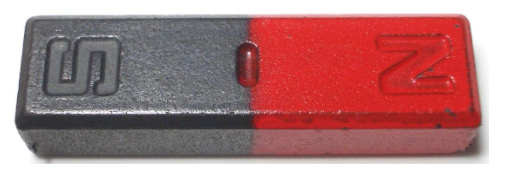
Note: Other minerals are natural magnets, but they're weak magnets that can't move too much metal. It is also possible to create permanent artificial magnets to match the application they are intended for. They can be made such that the north and south poles of the magnet are located at particular spots. A ring magnet can be made, for instance, so that the North Pole is on the outside and the South Pole is on the inside or on the inside with the North Pole and on the outside with the South Pole.
Complete answer:
There are two types of magnets that are artificial: temporary and permanent. Temporary magnets are magnets that are not necessarily magnetic, but they can be switched on at will by their magnetism. Those magnets whose magnetic power never fades are permanent magnets.
A magnet that exists naturally in nature is a natural magnet. All natural magnets are permanent magnets, ensuring their magnetic strength can never be lost.
It is lodestone, also called magnetite that is the strongest natural magnet material. Currently, the lodestone was used in the very first compasses ever made. Since natural magnets are permanent magnets, the North Pole will still align itself with the geographic north pole of the Earth if the lodestone is allowed to rotate freely.
They are called artificial magnets when magnets are produced by individuals. These are the magnets on your fridge frame, and they've got extra-strong magnetic strength, like the small super-strong magnets you might purchase from toy or science shops.
Note: Other minerals are natural magnets, but they're weak magnets that can't move too much metal. It is also possible to create permanent artificial magnets to match the application they are intended for. They can be made such that the north and south poles of the magnet are located at particular spots. A ring magnet can be made, for instance, so that the North Pole is on the outside and the South Pole is on the inside or on the inside with the North Pole and on the outside with the South Pole.
Recently Updated Pages
Master Class 11 English: Engaging Questions & Answers for Success

Master Class 11 Social Science: Engaging Questions & Answers for Success
Master Class 11 Maths: Engaging Questions & Answers for Success
Master Class 11 Biology: Engaging Questions & Answers for Success
Master Class 11 Physics: Engaging Questions & Answers for Success
Master Class 11 Chemistry: Engaging Questions & Answers for Success
Trending doubts
Explain the Treaty of Vienna of 1815 class 10 social science CBSE
What is the full form of POSCO class 10 social science CBSE
Define Potential, Developed, Stock and Reserved resources
The diagonals of a rhombus are 10cm and 24cm Find the class 10 maths CBSE
Fill the blanks with proper collective nouns 1 A of class 10 english CBSE
What planets have no moons Which one has only one moon class 10 physics CBSE