







Letter sounds and easy word practice for kindergarten phonics learners
Phonics for Kindergarten helps children learn how letters make sounds and how these sounds join to form words. When kids understand letter sounds, they can read simple words, spell easily, and enjoy storybooks with confidence. Kindergarten phonics builds a strong reading base through fun sounds, simple words, and playful practice.
Quick Facts About Phonics for Kindergarten
| Feature | Details |
|---|---|
| What It Teaches | Letter sounds and simple word reading |
| Main Focus | Alphabet sounds (A–Z) |
| Skills Built | Blending, segmenting, and early spelling |
| Best For | Kids aged 4–6 years |
What Is Phonics for Kindergarten?
- Each letter has a sound. For example: a says /a/.
- Some letters join to make one sound like sh.
- Sounds blend to make words like c-a-t → cat.
How Do Letter Sounds Work?
- Open your mouth and say the sound clearly.
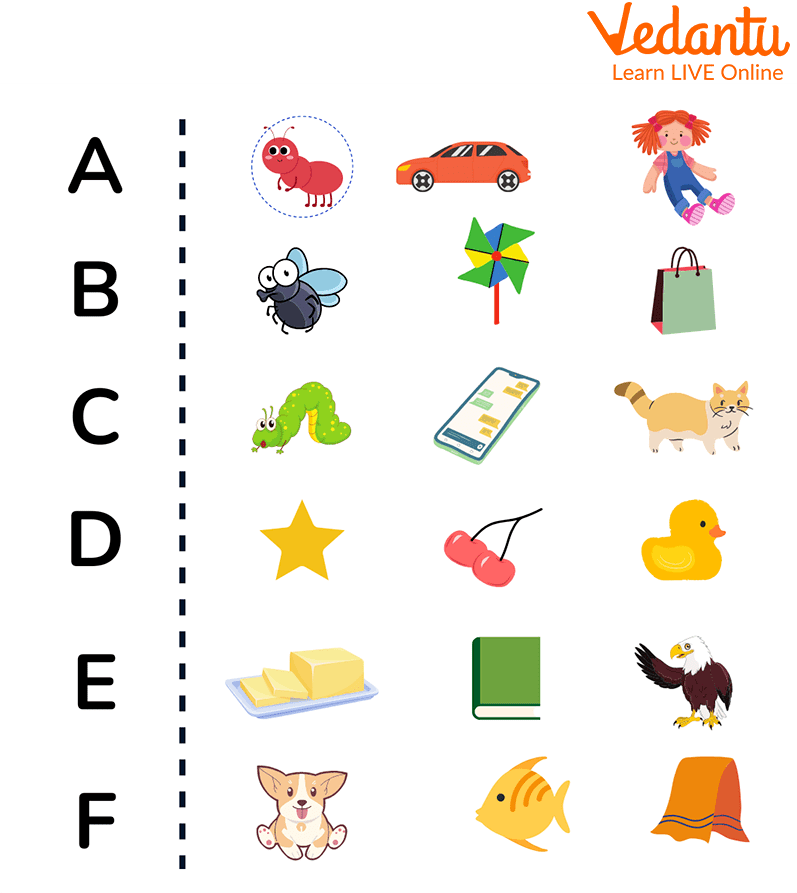
- Listen carefully to the beginning sound in words.
- Clap when you hear the correct sound.
Phonics Examples for Kids
Beginning Sounds
Middle Sounds
Ending Sounds
Blending and Reading Practice
- c + a + t = cat
- m + a + p = map
- s + i + t = sit
Try reading this simple sentence: The cat sat.

Fun Phonics Tips
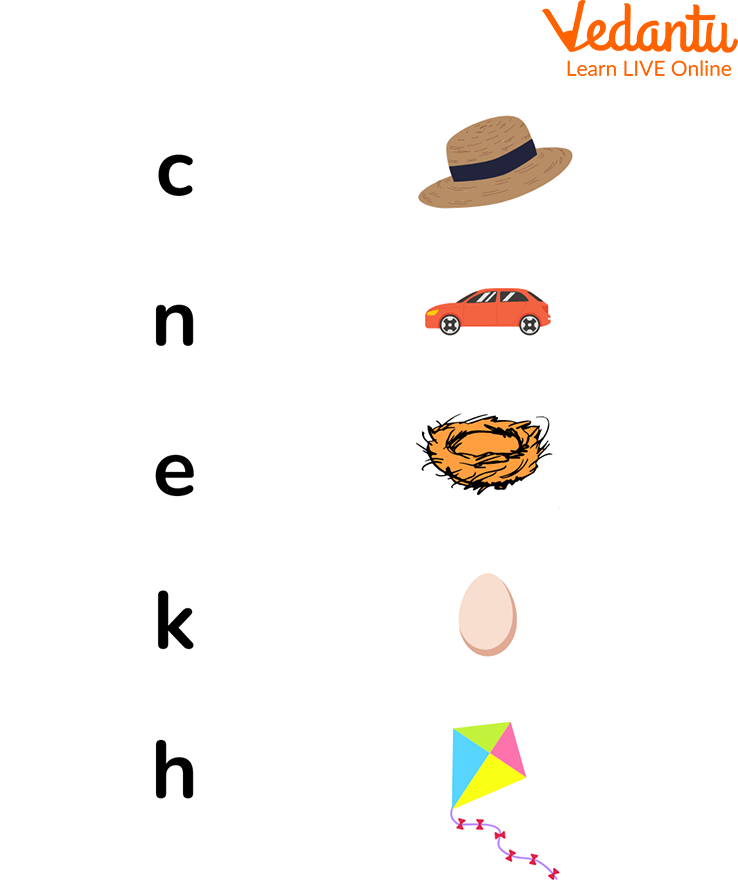
Fun Activity for Kids
Amazing Facts About Kindergarten Phonics
Free Phonics Practice Worksheets
FAQs on Phonics For Kindergarten Made Simple and Fun
1. What is phonics for kindergarten?
Phonics for kindergarten teaches children how letters and sounds work together to help them read and spell words.
- It connects letter names to their letter sounds.
- Children learn beginning, middle, and ending sounds in words.
- It helps kids blend sounds to read simple CVC words like cat and dog.
- It builds early reading skills and spelling confidence.
2. Why is phonics important for kindergarten kids?
Phonics is important because it gives children the tools to decode words and become confident early readers.
- It improves reading fluency and word recognition.
- It strengthens spelling skills through sound-letter matching.
- It supports phonemic awareness (hearing sounds in words).
- It helps children read simple books on their own.
3. What sounds should a kindergartener learn first in phonics?
Kindergarten phonics usually begins with common letter sounds that form simple words.
- Short vowel sounds like a in cat, e in bed, i in sit.
- Common consonant sounds like m, s, t, p, and n.
- Simple CVC words (consonant-vowel-consonant) such as map, sun, and hat.
- Beginning sounds in everyday words.
4. How do you teach phonics to a kindergarten child?
Phonics for kindergarten is best taught through fun, hands-on, and sound-based activities.
- Practice saying and identifying letter sounds daily.
- Use flashcards, songs, and phonics games.
- Blend sounds together to read words like /c/ /a/ /t/ → cat.
- Read simple decodable books for practice.
5. What are some easy phonics words for kindergarten?
Easy kindergarten phonics words are usually short CVC words with clear sounds.
- cat, bat, hat
- dog, log, pig
- sun, run, fun
- map, tap, cap
6. How can I help my kindergartener practice phonics at home?
You can support kindergarten phonics at home with simple daily reading and sound activities.
- Ask your child to find words that start with a certain beginning sound.
- Practice rhyming words like cat, bat, and mat.
- Play “say the sounds” and blend them into a word.
- Read aloud together and point to each word.
7. What is blending in kindergarten phonics?
Blending in kindergarten phonics means putting individual letter sounds together to read a word.
- Say each sound slowly: /d/ /o/ /g/.
- Slide the sounds together: dog.
- Practice with simple CVC words.
- Encourage children to tap or stretch out sounds.
