







How to Recognize and Avoid Common Poisonous Plants
Did you know that plants in the rainforest can be dangerous? Did you know that some of the deadliest plants on earth are lurking in the rainforest? Many of these plants can cause serious harm if you come into contact with them. Some plants can cause skin irritation, plants that can make you sick, and even plants that can be deadly.
Not all plants are our friends and are just there to provide us with things we need. In this article, we will learn about such dangerous rainforest plants and know why plants carry poison, what are the uses of poisonous plants and various other facts about them.
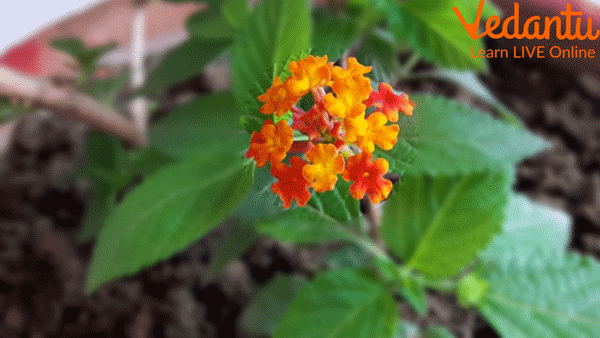
Poisonous Plant - Lantana
Why Plants Carry Poison?
Many people have questions in their minds about why plants carry poison. What is the need for them to be poisonous? The answer is simple, a plant's ability to produce poison is a defence mechanism that helps protect it from being eaten by predators. While all plants have some level of toxicity, some plants are more poisonous than others. For example, the poison ivy plant produces toxins that can cause a rash or other skin irritations.
Several factors contribute to a plant's ability to produce poison, including the type of plant, the part of the plant that is poisonous, and the amount of poison that is produced. Additionally, how the plant is prepared (cooked, juiced, etc.) can also affect its level of toxicity. For example, raw potatoes can be poisonous, but cooked potatoes are not.
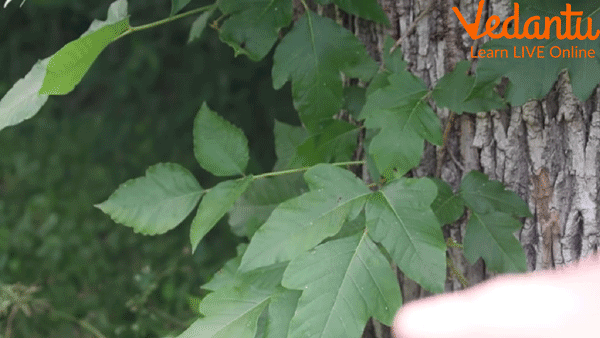
Poison Ivy Plant
The Most Poisonous Plants On Earth
Most plants in our surroundings may look harmless enough. But not all of them are that innocent. Many plants are potent enough to kill a toddler to a giant elephant. In this section of the article, we will learn about such plants that are potent enough to be called the most poisonous plants on earth.
1. White Snakeroot (Ageratina Altissima)
According to reports, this plant was used to poison Abraham Lincoln.
It is a herbaceous plant having little white flowers on it.
The dangerous toxin in the form of alcohol is formed in this plant’s stems.
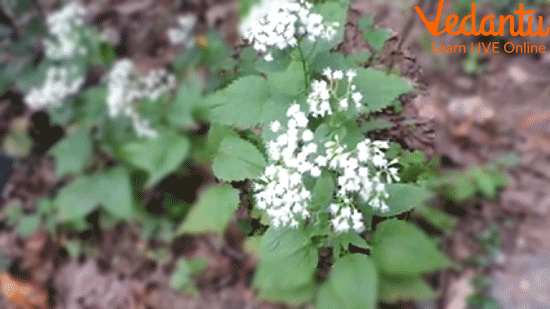
White Snakeroot
2. Oleander (Nerium Oleander)
It is a beautiful plant with very uniquely coloured flowers
It usually grows around hedges of tea and garden hedges
All parts of the plants are filled with a deadly poison that is potent to kill a human being and can cause vomiting, diarrhoea, seizures, coma, and death.
This plant is also called the world's most poisonous or deadliest plant on earth.
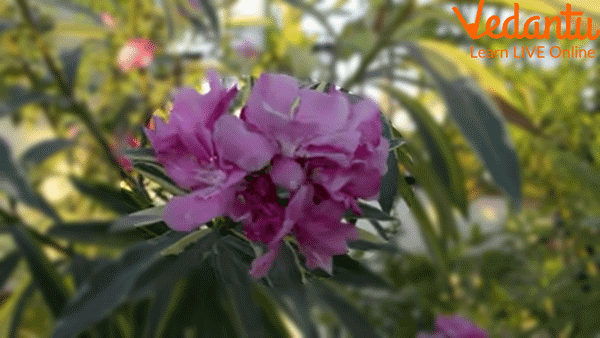
Oleander Plant
Uses of Poisonous Plants
Since ancient times some poisonous plants have been used as medications in Indian history. Below are some uses of poisonous plants:
Toxic plants can be used to prepare biological weapons that can help in times of country wars.
Some plant chemicals like alkaloids are used as painkillers
Some irritant plants like that castor can be used for extracting oil from it.
The plant white snakeroot is used to treat snakebites.
Some toxic plants are used to treat severe cardiac problems.
Summary
To summarise all the learnings, we can say that not all plants are suitable for humans or other life forms. Some can be highly poisonous and have the potential to kill animals and even humans. In this article, we also discussed all the poisonous plants and named the plant known as the world's most poisonous plant or the deadliest plant on earth. Then we looked at how some poisonous plants have been used in medications and bioweapons since ancient times. Through these learnings, we can say that one must always be aware of the plants they are surrounded with as some of them can cause things like allergies or even cause hazards to our lives.
FAQs on Poisonous Plants on Earth: Essential Facts & Safety
1. What are some examples of dangerous plants found in rainforests?
Rainforests contain several plants that are dangerous to humans and animals. Some key examples include:
Castor Bean (Ricinus communis): While its oil has uses, the seeds contain ricin, an extremely potent poison.
Manchineel Tree (Hippomane mancinella): Often called the 'tree of death', its milky sap causes severe skin blisters, and its fruit is highly toxic if eaten.
Strychnine Tree (Strychnos nux-vomica): The seeds of this tree are the source of the deadly poison strychnine.
2. Which plant is often called the most dangerous in the rainforest?
The Manchineel tree is widely regarded as one of the most dangerous plants, particularly in the tropical rainforests of the Americas. Every part of it is poisonous. Its sap can cause severe burns, its fruit is toxic, and even the smoke from its burning wood can cause temporary blindness and respiratory problems. It serves as a prime example of a plant with multiple defence mechanisms.
3. Why do some rainforest plants develop such deadly poisons?
The primary reason plants develop poisons is for self-defence. In the dense and competitive rainforest environment, plants need to protect themselves from being eaten by countless herbivores, from small insects to large mammals. These toxins, or secondary metabolites, act as a chemical shield, making the plant unpalatable or lethal to potential threats, thus ensuring its survival and ability to reproduce.
4. What are the common signs that a plant in the wild might be dangerous?
While you should never rely on sight alone, certain features can be warning signs of a potentially dangerous plant. These include:
Milky or discoloured sap that oozes when a stem or leaf is broken.
Very brightly coloured fruits or flowers, which can sometimes signal toxicity.
Fine hairs, thorns, or spines that can deliver irritants upon contact.
However, the safest rule is to never touch or eat any plant you cannot identify with 100% certainty.
5. Do all dangerous plants taste bitter or have a warning smell?
This is a dangerous misconception. While many plant poisons, such as alkaloids, are bitter, not all are. Some highly toxic plants have no distinct smell, and their fruits can even taste sweet, making them attractive but deadly. For instance, the berries of Deadly Nightshade are known to be sweet. Therefore, taste and smell are not reliable indicators of a plant's safety.
6. How can a plant be dangerous just from being touched?
Some plants can cause severe harm without being ingested. Their danger comes from contact poisons delivered through specialised structures. For example, the Gympie-Gympie (stinging tree) of Australian rainforests is covered in tiny, silica-tipped hairs called trichomes. These hairs act like hypodermic needles, injecting a powerful neurotoxin upon the slightest touch, causing excruciating pain that can last for months.
