



What is the theme and significance of International Anti-Corruption Day 2025?
International Anti-Corruption Day, observed annually on December 9, is a key date for raising awareness about corruption and promoting measures to combat it worldwide. As we approach 2025, this day remains highly relevant for students and young citizens who aspire to create ethical and transparent futures.
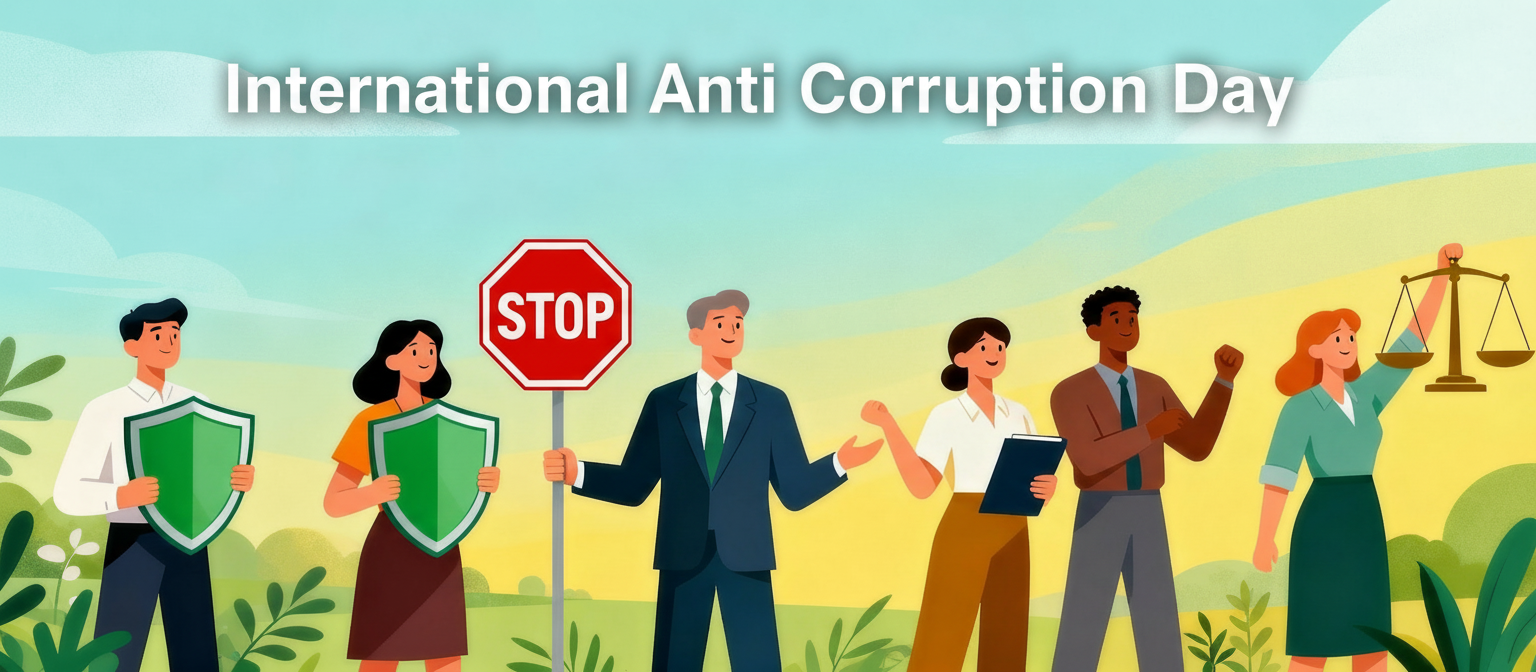
What & When is International Anti-Corruption Day 2025?
Building on the need for awareness, International Anti-Corruption Day is globally marked on December 9 every year and specifically on Tuesday, December 9, 2025. The United Nations established this observance in 2003 to promote anti-corruption policies worldwide.
On this day, nations, organizations, and students participate in events, campaigns, and educational activities supporting the fight against corruption.
History and Cultural Context of Anti-Corruption Day
Expanding on the global observance, International Anti-Corruption Day was designated in recognition of the adoption of the United Nations Convention against Corruption (UNCAC) on October 31, 2003. The first International Anti-Corruption Day was observed in 2004.
Corruption affects all countries but can be particularly damaging in developing regions, undermining trust, increasing inequality, and limiting access to education or opportunities. The day invites all populations, including students, to explore corruption's impact and make proactive choices for transparent societies.
Significance of International Anti-Corruption Day for Students
Linking to society’s challenges, International Anti-Corruption Day holds special relevance for students as future leaders, professionals, and citizens. Youth movements and educational campaigns often use this opportunity to advocate for ethical behavior on campuses and in communities.
Participating in Anti-Corruption Day events can help students:
Understand how corruption undermines society, infrastructure, and personal growth.
Develop critical thinking about ethics, responsibility, and civic engagement.
Build integrity and inspire peers, promoting healthy, transparent environments in schools and colleges.
These opportunities emphasize the powerful role students play in building a corruption-free society.
Theme of International Anti-Corruption Day 2025
Carrying forward the values of awareness and engagement, each International Anti-Corruption Day focuses on a specific global theme. The 2025 theme will be designated by the United Nations closer to the observance date. In past years, themes such as “Uniting the World Against Corruption” (2023) have encouraged joint efforts for honesty and transparency.
Students and educational organizations can use the announced theme as inspiration for posters, debates, article writing, and social media awareness campaigns.
Customs, Practices, and Rituals on Anti-Corruption Day
Building on significance and theme, International Anti-Corruption Day features a range of participatory rituals and practices that students, teachers, and communities observe globally.
Key activities include:
Awareness Marches or Rallies: Group walks with banners, posters, or thematic T-shirts to draw attention to anti-corruption messages. Participants are expected to keep the tone respectful and non-political.
Debates & Essay Competitions: Events focused on ethical practices, transparency, or the harm caused by corruption. These foster active learning and respectful dialogue among students.
Pledge Ceremonies: Students and teachers publicly commit to upholding honesty and integrity. This often involves reading or signing a formal pledge, typically provided by institutions or anti-corruption agencies.
Poster Making & Art Exhibitions: Visual campaigns displaying anti-corruption art, infographics, or slogans. Etiquette includes respecting diverse perspectives and presenting factual messages.
Workshops & Webinars: Interactive sessions led by experts or activists explaining the impact of corruption and the value of integrity in everyday life.
Participants are encouraged to share learnings and adopt transparent practices in daily life.
Regional Celebrations and Observances Across India
Expanding on the diverse ways of observing, International Anti-Corruption Day takes on unique characteristics in various Indian states and cities. While the overall message is universal, regional governments, CBSE schools, and NGOs may host state-specific drives, street plays, or awareness marches in local languages.
Some states organize school-level competitions, while others promote community engagement through seminars or wall paintings. In parts of South India, the day is sometimes linked with broader topics of transparency and good governance. In North and West India, anti-corruption helplines or online reporting platforms are actively promoted during this period. The core message—to stand up against corruption—remains consistent nationwide.
How to Participate in International Anti-Corruption Day 2025
Shifting from traditions to action, students and young people can observe Anti-Corruption Day in practical ways both in educational institutions and at home.
Join or organize a theme-based poster, slogan, or essay competition at school or college.
Participate in workshops/webinars on ethics and anti-corruption policies.
Encourage peers to sign the anti-corruption pledge; upload evidence to social media using official hashtags.
Engage with reputed organizations or helplines to learn how to report corruption safely.
Start a discussion group or forum for ongoing awareness about anti-corruption measures and ethical behavior.
These steps foster a culture where integrity is celebrated and practiced daily.
Tips & Etiquette: Observing Anti-Corruption Day Responsibly
Extending guidance for positive participation, it is essential to observe basic etiquette and practical tips when taking part in Anti-Corruption Day activities.
Use recycled or digital materials for posters and avoid single-use plastics at events.
Maintain respectful discussions, even in debates—focus on issues, not individuals.
Ensure that all students can participate, including those from different backgrounds or abilities.
Balance event involvement with regular studies and personal well-being for a healthy, stress-free experience.
Share learning outcomes and good practices with friends, family, and community members to expand the impact beyond the day itself.
Quick Recap: Key Takeaways about International Anti-Corruption Day
Tying together all sections, International Anti-Corruption Day on December 9, 2025, is a global call to action. It highlights the value of ethics, transparency, and student engagement in fostering an accountable society. By following best practices and participating in honest conversations and events, everyone can strengthen the fight against corruption.
Related Articles
Here are some useful links related to this topic.
Human Rights Day (10 Dec) – Understand how transparency and justice support human rights worldwide.
Nobel Prize Day (10 Dec) – Learn how Nobel Prize achievements inspire fairness, justice, and global progress.
International Mountain Day (11 Dec) – Explore why protecting mountain communities supports integrity and sustainable growth.
National Energy Conservation Day (14 Dec) – Discover how responsible energy use strengthens ethical environmental practices.
FAQs on International Anti-Corruption Day 2025: Importance, Theme, and Ways to Participate
1. What is International Anti-Corruption Day and why is it observed on December 9?
International Anti-Corruption Day is observed annually on December 9 to raise global awareness about the negative impacts of corruption and to promote transparency, integrity, and accountability in societies. This date commemorates the adoption of the United Nations Convention against Corruption in 2003, encouraging countries, organizations, and individuals worldwide to unite against corruption.
2. What is the theme of International Anti-Corruption Day 2025?
The official theme for International Anti-Corruption Day 2025 will be announced by the United Nations Office on Drugs and Crime (UNODC) closer to the event. Previous themes have focused on integrity, transparency, and collective action against corruption. Please check the UNODC website or Vedantu updates for the confirmed 2025 theme.
3. Who organizes International Anti-Corruption Day?
International Anti-Corruption Day is organized by the United Nations, specifically led by the United Nations Office on Drugs and Crime (UNODC) and the United Nations Development Programme (UNDP). Many regional, national, and local organizations also participate by holding educational and awareness events.
4. What is the history of International Anti-Corruption Day?
International Anti-Corruption Day was established in 2003 following the adoption of the United Nations Convention against Corruption. The Day has been observed globally since then, serving as a reminder of the importance of combating corruption for economic growth, social justice, and good governance.
5. What activities can be done for Anti-Corruption Day in schools?
Schools can promote anti-corruption awareness by organizing activities such as:
- Poster-making and drawing competitions
- Essay writing or speech contests on the significance of integrity
- Classroom discussions or seminars on ethics and transparency
- Role-plays and dramatizations to highlight the dangers of corruption
- Slogan creation and taking a pledge against corruption
6. How can I create an anti-corruption poster or slogan?
To create an anti-corruption poster or slogan:
- Choose a clear, simple message (e.g., “Say No to Corruption” or “Integrity Builds Nations”)
- Use bright colors and impactful images or symbols representing honesty and justice
- Keep slogans short, powerful, and positive
- Include this year’s theme if available
- Add your own creative drawings for visual impact
7. Why is International Anti-Corruption Day significant?
International Anti-Corruption Day is important because corruption weakens trust, disrupts development, and increases inequality. By raising awareness, the day:
- Helps people recognize the effects of corruption on society
- Encourages collective action to promote fairness
- Supports the United Nations’ Sustainable Development Goals (SDG 16) related to justice and strong institutions
8. What are some popular anti-corruption slogans or quotes?
Popular anti-corruption slogans and quotes:
- “Say No to Corruption, Say Yes to Integrity.”
- “Corruption Destroys, Honesty Builds.”
- “United Against Corruption for a Better World.”
- “Integrity is doing the right thing, even when no one is watching.”
- “A corruption-free society is the foundation of progress.”
9. What is the significance of December 9 in the fight against corruption?
December 9 marks the day when the United Nations Convention against Corruption was adopted in 2003. It is celebrated as International Anti-Corruption Day worldwide to call for action against corruption and promote ethical values in public and private life.
10. How is International Anti-Corruption Day observed around the world?
International Anti-Corruption Day is observed globally through:
- Educational seminars, debates, and workshops
- Poster-making, drawing, and slogan competitions
- Social media campaigns promoting awareness
- Public rallies and community outreach events
- Government and organizational declarations focusing on transparency
11. Where can I find downloadable posters, banners, and pledge forms for Anti-Corruption Day?
You can find downloadable Anti-Corruption Day posters, banners, and pledge forms on the official United Nations website, the UNODC portal, or right here on the Vedantu blog. These resources help you participate in awareness campaigns and school or community events.
12. What are other international observance days related to Anti-Corruption Day?
Related international observance days include:
- World Day for Social Justice
- International Human Solidarity Day
- National Consumer Day
- World Cancer Day (emphasizing overall ethical progress in society)



