



What is the theme and significance of Human Rights Day 2025?
Human Rights Day is a global observance marked annually to honour the adoption of the Universal Declaration of Human Rights. In 2025, the occasion reminds us of the value of basic freedoms and equality for every individual, which are essential topics for every student’s awareness and growth.
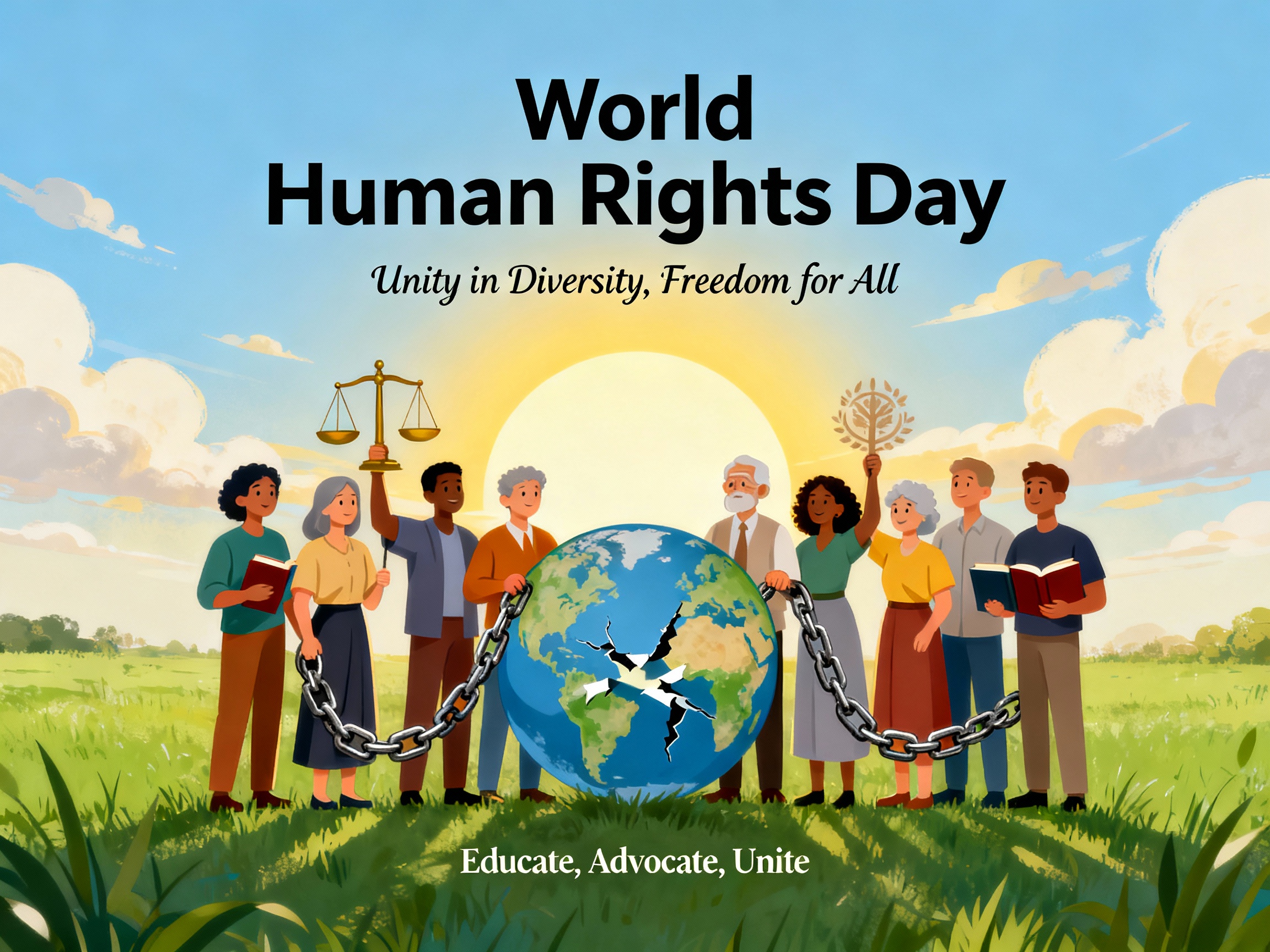
What and When is Human Rights Day 2025?
Building on the importance of human rights for all, it’s essential to know when and why this global event takes place. Human Rights Day is observed every year on December 10th, commemorating the day the United Nations General Assembly adopted the Universal Declaration of Human Rights in 1948. In 2025, Human Rights Day will again be held on 10th December, with activities, discussions, and campaigns taking place worldwide.
History and Cultural Context of Human Rights Day
Following the annual observation date, it’s valuable to understand the historical and cultural significance behind Human Rights Day. The day marks the anniversary of the Universal Declaration of Human Rights (UDHR), a milestone document that has shaped human rights frameworks globally. The UDHR resulted from the aftermath of World War II, declaring universal values such as dignity, freedom, and equality irrespective of nationality, gender, religion, or any other status.
Significance of Human Rights Day for Students
Building upon the historical background, understanding the relevance of Human Rights Day for students is crucial in today’s diverse society. This observance helps students learn about fundamental human rights, social justice, and responsibilities as members of local and global communities. It also encourages young people to stand up for fairness, respect, and inclusion, both in classrooms and in wider society.
Customs, Rituals, and How Human Rights Day is Celebrated
Having seen why Human Rights Day matters, it’s meaningful to explore how individuals and groups participate in its observance globally and in India. The day is marked not by religious rituals but by educational and advocacy-oriented practices aimed at raising awareness about rights and dignity.
Awareness Campaigns: Schools and colleges host poster exhibitions, debates, and essay-writing contests to spread awareness about human rights issues and solutions.
Seminars and Talks: Experts are invited to speak about the Universal Declaration of Human Rights, real-life cases, and the importance of upholding rights in daily life.
Community Service: Students and organisations may visit underprivileged areas or support NGOs to champion justice and equality.
Social Media Campaigns: Hashtags and creative content are used to educate peers online and highlight current issues related to human rights.
Symbols and Slogans: Displaying the Human Rights Day slogan or logo, or sharing powerful quotes, is common to show solidarity and commitment.
Regional Celebrations Across India: Names and Approaches
Transitioning from general customs, let’s look at how Human Rights Day is marked in various regions of India. While the name remains consistent nationally, the forms of observance can reflect local issues and customs. In Delhi and Mumbai, large seminars and rallies are common, often involving legal experts and rights activists. In rural states such as Odisha or Assam, the focus is often on grassroots education, community discussions, and practical workshops on rights literacy. Across South India, colleges may run street plays or cultural programs addressing local human rights concerns.
How to Participate in Human Rights Day 2025
After exploring regional activities, here are some practical ways students can actively take part in Human Rights Day 2025. These suggestions help reinforce rights ideals while making a positive contribution.
Participate in quiz competitions or elocution on human rights topics at school or college.
Organize or join group discussions about the Human Rights Day theme 2025 and its real-life implications.
Volunteer with NGOs or campus groups that support or teach about human rights.
Design posters or online content using this year’s official Human Rights Day slogan or logo.
Read about famous human rights activists and share their stories with classmates.
Write or perform a short skit highlighting the importance of equality and dignity.
Tips and Etiquette: Eco-Friendly, Safe, and Inclusive Human Rights Day
To make your Human Rights Day experience meaningful and responsible, consider these suggestions as you participate in various activities. These pointers ensure that your observance is safe, considerate to all, and mindful of your academic commitments.
Use recycled or digital materials for posters and displays to reduce waste.
Respect differing opinions during discussions or debates, promoting a truly inclusive environment.
Participate in activities that do not disturb others’ learning schedules; balance activism with academic responsibilities.
Be aware of safety in public events; follow all campus and health guidelines.
Include friends from all backgrounds in your initiatives to reflect the spirit of universal rights.
Quick Recap: Key Takeaways for CBSE Guide on Human Rights Day
In summary, Human Rights Day on December 10th is more than a date—it’s a reminder for students and all citizens to uphold the values of dignity, equality, and justice every day. As you participate in Human Rights Day 2025, focus on positive action, inclusivity, and ongoing learning about rights for yourself and others.
Related Articles
Here are some useful links related to this topic.
Nobel Prize Day (10 Dec) – Explore global achievements that promote peace, rights, and equality.
International Mountain Day (11 Dec) – Learn why protecting mountain communities supports human rights and sustainability.
National Energy Conservation Day (14 Dec) – Understand why energy equity is a global human responsibility.
Vijay Diwas (16 Dec) – Discover how India’s 1971 victory reinforces national pride and the defense of citizens’ rights.
FAQs on World Human Rights Day 2025: Date, Theme, Significance & Activities
1. What is the theme of Human Rights Day 2025?
The official theme of Human Rights Day 2025 will be announced by the United Nations later in the year. Each year, the UN highlights a specific theme to focus global attention on urgent issues related to human rights. Remember to check the official UN website or this page closer to December for the most updated 2025 theme information.
2. When is Human Rights Day celebrated each year?
Human Rights Day is celebrated every year on December 10. This date marks the adoption of the Universal Declaration of Human Rights (UDHR) by the United Nations General Assembly in 1948. The day honors fundamental rights and freedoms for all people globally.
3. Why do we observe Human Rights Day?
We observe Human Rights Day to raise awareness about the importance of equality, dignity, and justice for everyone. The day reminds us to:
- Promote respect for universal human rights
- Recognize the historical adoption of the UDHR in 1948
- Encourage actions to protect rights and freedoms worldwide
4. Who started Human Rights Day and when?
The United Nations started Human Rights Day in 1948. It was established after the UN General Assembly adopted the Universal Declaration of Human Rights on December 10, 1948, marking a global commitment to human dignity and equality.
5. How is Human Rights Day celebrated in schools?
Schools celebrate Human Rights Day through a variety of educational and creative activities. Common ways include:
- Organizing debates or essay competitions on human rights topics
- Holding art, poster, or drawing contests
- Arranging assemblies or role plays about equality and justice
- Hosting awareness campaigns, discussions, and presentations
6. What are some slogans for Human Rights Day?
Popular Human Rights Day slogans include:
- "Stand Up for Human Rights"
- "Dignity, Freedom, and Justice for All"
- "Equal Rights, Equal Opportunities"
- "Empower Humanity – Protect Human Rights"
- "No One Left Behind"
7. Is there a symbol or logo for Human Rights Day?
The widely recognized symbol of Human Rights Day is the stylized hand with an open palm, often accompanied by images of doves, people, or the scales of justice. The United Nations also uses the blue color scheme and the official UDHR logo for events and campaigns.
8. What is National Human Rights Day in India?
In India, National Human Rights Day is celebrated on December 10 each year, aligning with World Human Rights Day. This day marks the formation of the National Human Rights Commission (NHRC) and highlights the importance of protecting and promoting human rights in the country.
9. Why is March 21 sometimes called Human Rights Day?
March 21 is observed as the International Day for the Elimination of Racial Discrimination due to the Sharpeville massacre in South Africa in 1960. While some countries refer to it as Human Rights Day, the globally recognized Human Rights Day is on December 10.
10. Can you suggest Human Rights Day poster and drawing ideas?
Effective poster and drawing ideas for Human Rights Day include:
- Images showing people of different backgrounds holding hands to symbolize equality
- Symbols like scales of justice, open hands, globes, or doves
- Slogans such as "Dignity for All" or "Right to Freedom"
- Scenes depicting acts of kindness, peace, or inclusion
- UN logo or the declaration’s text with creative art
11. What is the Universal Declaration of Human Rights (UDHR)?
The Universal Declaration of Human Rights (UDHR) is a historic document adopted by the United Nations General Assembly on December 10, 1948. It consists of 30 articles outlining the basic rights and freedoms that every individual is entitled to, regardless of race, gender, nationality, or religion.
12. How can I participate in Human Rights Day activities?
You can participate in Human Rights Day by:
- Joining or organizing online and offline awareness campaigns
- Taking part in poster or slogan contests
- Sharing powerful human rights quotes or stories on social media
- Attending workshops or webinars about global rights
- Educating friends and family about the value of equality and justice



