




Write two characteristics of black soil.
Answer
 Verified
620.4k+ views
Hint:
Soil is a layer of unconsolidated material on the surface of the earth, in which the plant is growing. Soils is a mixture of mineral grain from the earth, decomposing organic matter, and air voids. Soil is the earth material which links biosphere and atmosphere, hydrosphere and geosphere.
Complete step by step solution:
Types of soil:
- Alluvial soil
- Black soil
- Red soil
- Laterite soil
- Mountain soil
- Desert soil
Soil formation:
Solid rocks particles are broken down from mechanical weathering.
Chemical weathering releases important nutrients from rock grains.
Seeds are carried onto the soil grains and grow into plants which enrich the soil.
Microorganisms the remains of plants to form humus which further enriches the soil.
The cycle continues until the soil reaches maximum fertility given the climate it is in.
Black soils formed from lava- solidified rocks and is known as black cotton soil. The black colour of black soil is due to its iron content, deriving from plutonic lava materials.
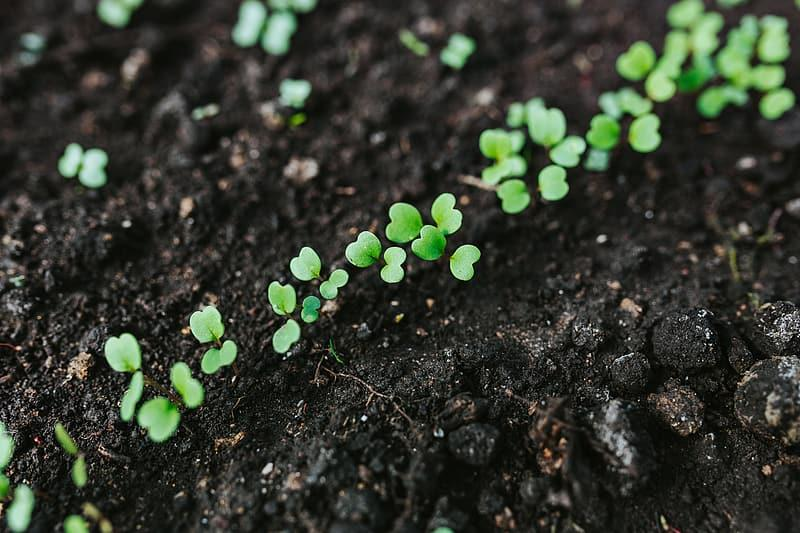
Characteristics of black soil:
- Dark grey to black in colour
- High clay content
- Highly moist retentive
- Develops cracks in summer
- Highly suitable for cotton
- Rich in iron, lime, calcium, magnesium, alumina, carbonates.
Note:
Crops grown in black soil are cotton, sugarcane and tobacco. It is found in the central and northwestern area of the southern plateau. Black soil is known as regur soil. Black soil responds to irrigation. The pH level of the soil is $7.2 - 8.5$ . In India, black soil is spread across Maharashtra, Karnataka and Madhya Pradesh.
Soil is a layer of unconsolidated material on the surface of the earth, in which the plant is growing. Soils is a mixture of mineral grain from the earth, decomposing organic matter, and air voids. Soil is the earth material which links biosphere and atmosphere, hydrosphere and geosphere.
Complete step by step solution:
Types of soil:
- Alluvial soil
- Black soil
- Red soil
- Laterite soil
- Mountain soil
- Desert soil
Soil formation:
Solid rocks particles are broken down from mechanical weathering.
Chemical weathering releases important nutrients from rock grains.
Seeds are carried onto the soil grains and grow into plants which enrich the soil.
Microorganisms the remains of plants to form humus which further enriches the soil.
The cycle continues until the soil reaches maximum fertility given the climate it is in.
Black soils formed from lava- solidified rocks and is known as black cotton soil. The black colour of black soil is due to its iron content, deriving from plutonic lava materials.
Characteristics of black soil:
- Dark grey to black in colour
- High clay content
- Highly moist retentive
- Develops cracks in summer
- Highly suitable for cotton
- Rich in iron, lime, calcium, magnesium, alumina, carbonates.
Note:
Crops grown in black soil are cotton, sugarcane and tobacco. It is found in the central and northwestern area of the southern plateau. Black soil is known as regur soil. Black soil responds to irrigation. The pH level of the soil is $7.2 - 8.5$ . In India, black soil is spread across Maharashtra, Karnataka and Madhya Pradesh.
Recently Updated Pages
Basicity of sulphurous acid and sulphuric acid are

Master Class 11 English: Engaging Questions & Answers for Success
Master Class 11 Physics: Engaging Questions & Answers for Success
Master Class 11 Computer Science: Engaging Questions & Answers for Success
Master Class 11 Chemistry: Engaging Questions & Answers for Success
Master Class 11 Social Science: Engaging Questions & Answers for Success
Trending doubts
Difference Between Prokaryotic Cells and Eukaryotic Cells
Two of the body parts which do not appear in MRI are class 11 biology CBSE
One Metric ton is equal to kg A 10000 B 1000 C 100 class 11 physics CBSE
10 examples of friction in our daily life
Draw a diagram of nephron and explain its structur class 11 biology CBSE
What will happen if the mucus is not secreted by the class 11 biology CBSE