




Write the features of arthropods.
Answer
 Verified
618.6k+ views
Hint: They are the largest phylum in the animal kingdom. Arthropods are a very diverse group of animals. They are the largest group of animals on the planet, containing 5 million distinct species.
Complete answer: The following are some of the characteristics of arthropods:
1. They have a segmented body containing three segments. These include the head, a thorax, and abdominal segments.
2. Each segment has a pair of appendages. They are used for feeding, sensory perception, defense, and locomotion. In addition to the pairs of legs, antennas, and mouthparts (labium and mandible) are considered as modified appendages.
3. Their nervous system consists of ganglions for each segment.
4. They have a hard exoskeleton made of chitin (also present in certain bacteria).
They provide physical protection and resistance against dry climates.
Arthropods shed this outer covering in order to grow. This process is called molting.
5. It has an open circulatory system with hemolymph that is a blood-like fluid.
An open circulatory system doesn’t contain vessel bound blood, the blood is free-flowing and enters a series of sinuses. Hemolymph is involved in oxygen distribution.
6. It has a complete digestive system with a mouth and an anus.
7. Terrestrial arthropods have an internal surface that helps in the exchange of gasses.
They have a tracheal system that consists of air sacs that lead into the body from pores present in the exoskeleton.
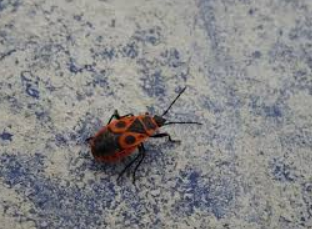
Note: Aquatic arthropods use pairs of gills to exchange gases. These gills have a larger surface area when compared to fishes.
Other modes of respiration include book lungs, gills modified for breathing air, they are seen in species like the coconut crab.
Complete answer: The following are some of the characteristics of arthropods:
1. They have a segmented body containing three segments. These include the head, a thorax, and abdominal segments.
2. Each segment has a pair of appendages. They are used for feeding, sensory perception, defense, and locomotion. In addition to the pairs of legs, antennas, and mouthparts (labium and mandible) are considered as modified appendages.
3. Their nervous system consists of ganglions for each segment.
4. They have a hard exoskeleton made of chitin (also present in certain bacteria).
They provide physical protection and resistance against dry climates.
Arthropods shed this outer covering in order to grow. This process is called molting.
5. It has an open circulatory system with hemolymph that is a blood-like fluid.
An open circulatory system doesn’t contain vessel bound blood, the blood is free-flowing and enters a series of sinuses. Hemolymph is involved in oxygen distribution.
6. It has a complete digestive system with a mouth and an anus.
7. Terrestrial arthropods have an internal surface that helps in the exchange of gasses.
They have a tracheal system that consists of air sacs that lead into the body from pores present in the exoskeleton.
Note: Aquatic arthropods use pairs of gills to exchange gases. These gills have a larger surface area when compared to fishes.
Other modes of respiration include book lungs, gills modified for breathing air, they are seen in species like the coconut crab.
Recently Updated Pages
Master Class 12 Economics: Engaging Questions & Answers for Success

Master Class 12 English: Engaging Questions & Answers for Success
Master Class 12 Social Science: Engaging Questions & Answers for Success
Master Class 12 Maths: Engaging Questions & Answers for Success
Master Class 12 Physics: Engaging Questions & Answers for Success
Master Class 11 Social Science: Engaging Questions & Answers for Success
Trending doubts
One Metric ton is equal to kg A 10000 B 1000 C 100 class 11 physics CBSE
Difference Between Prokaryotic Cells and Eukaryotic Cells
Two of the body parts which do not appear in MRI are class 11 biology CBSE
1 ton equals to A 100 kg B 1000 kg C 10 kg D 10000 class 11 physics CBSE
Draw a diagram of nephron and explain its structur class 11 biology CBSE
10 examples of friction in our daily life