




Which of the following statement is incorrect
A. Viroids lack a protein coat.
B. Viruses are obligate parasites
C. Infective constituent of viruses is the protein coat.
D. Prions consists of abnormal folded protein
Answer
 Verified
596.1k+ views
Hint: Viruses are sub-microscopic parasitic organisms, which become viable only after infecting the host cells. Upon infestation, the viruses start multiplying at a rapid rate taking up the host’s cellular mechanism.
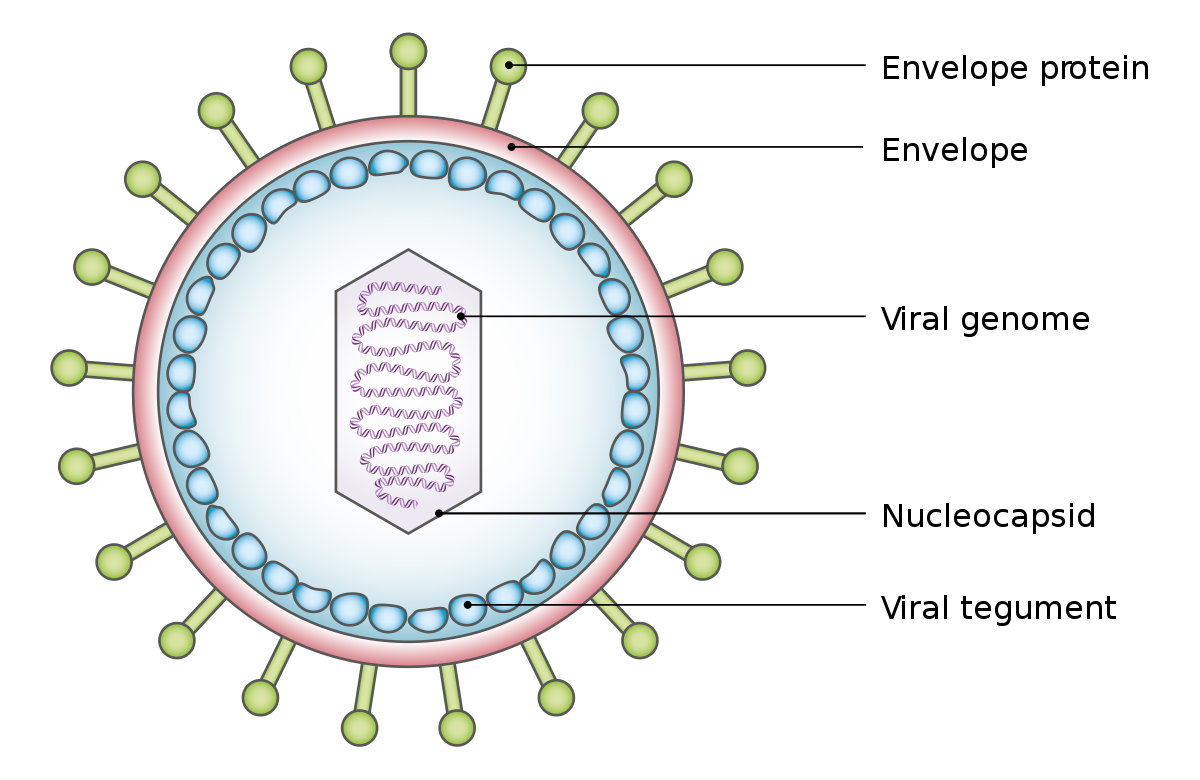
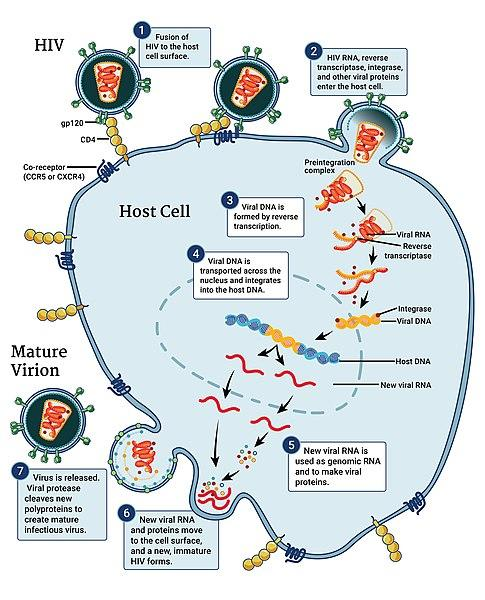
Step by step answer:The infective constituent of viruses is not the outer protein coat, but the genetic material inside the cell. Viruses can have either DNA or RNA as their genetic material. Viruses upon infecting the host cells start integrating into the host cell’s DNA or RNA, after incorporation the viral cells undergo the process of transcription and later translation, to produce the viral proteins, and the cells start replicating. The cells of the viruses thus produced compete with the normal host cells for nutrients and slowly deactivate the host’s normal defense and cell metabolism, thus making it over completely.
-Viroids are the smallest infecting agents, they are made of only a strand of single-stranded circular RNA. They are devoid of the protein coating
-Viruses are known as obligate parasites, since they are inactive outside the environment of a host cell, and become virulent only when it gains entry into the host. Thus it needs a host cell to complete its life cycle.
-Prions are made of abnormally folded proteins and this can lead to the development of progressive neurodegenerative conditions.
Infective constituents of viruses are its genetic materials, which can either be RNA or DNA and not the protein coat.
Hence, the correct answer is option C
Note: The abnormally folded proteins in the prions, form aggregates and are known as amyloids. These amyloids tend to get aggregated in the infected tissues and cause tissue damage and eventually cell death. One of the prions caused by diseases is Fatal Familial Insomnia.
Step by step answer:The infective constituent of viruses is not the outer protein coat, but the genetic material inside the cell. Viruses can have either DNA or RNA as their genetic material. Viruses upon infecting the host cells start integrating into the host cell’s DNA or RNA, after incorporation the viral cells undergo the process of transcription and later translation, to produce the viral proteins, and the cells start replicating. The cells of the viruses thus produced compete with the normal host cells for nutrients and slowly deactivate the host’s normal defense and cell metabolism, thus making it over completely.
-Viroids are the smallest infecting agents, they are made of only a strand of single-stranded circular RNA. They are devoid of the protein coating
-Viruses are known as obligate parasites, since they are inactive outside the environment of a host cell, and become virulent only when it gains entry into the host. Thus it needs a host cell to complete its life cycle.
-Prions are made of abnormally folded proteins and this can lead to the development of progressive neurodegenerative conditions.
Infective constituents of viruses are its genetic materials, which can either be RNA or DNA and not the protein coat.
Hence, the correct answer is option C
Note: The abnormally folded proteins in the prions, form aggregates and are known as amyloids. These amyloids tend to get aggregated in the infected tissues and cause tissue damage and eventually cell death. One of the prions caused by diseases is Fatal Familial Insomnia.
Recently Updated Pages
Master Class 11 Social Science: Engaging Questions & Answers for Success

Master Class 11 Physics: Engaging Questions & Answers for Success
Master Class 11 Maths: Engaging Questions & Answers for Success
Master Class 11 Economics: Engaging Questions & Answers for Success
Master Class 11 Computer Science: Engaging Questions & Answers for Success
Master Class 11 Chemistry: Engaging Questions & Answers for Success
Trending doubts
One Metric ton is equal to kg A 10000 B 1000 C 100 class 11 physics CBSE
There are 720 permutations of the digits 1 2 3 4 5 class 11 maths CBSE
1 Quintal is equal to a 110 kg b 10 kg c 100kg d 1000 class 11 physics CBSE
State and prove Bernoullis theorem class 11 physics CBSE
Difference Between Prokaryotic Cells and Eukaryotic Cells
Which among the following are examples of coming together class 11 social science CBSE