




Urea is formed in-
A. Liver
B. Spleen
C. Kidney
D. Lungs
Answer
 Verified
616.8k+ views
Hint:Humans are ureotelic organisms that excrete out urea which gets accumulated in the body as a result of various metabolic processes. Along with kidneys, liver, skin, and lungs take part in the process of excretion.
Complete answer: The elimination of metabolic waste or the waste accumulated by excess ingestion, across the cell membrane is termed as excretion in which waste products formed due to catabolism of glucose, fatty acids, amino acids, and glycerol are thrown out.
The wastes generated are usually nitrogenous wastes. There are three kinds of nitrogenous wastes; ammonia, urea, and uric acid. Ammonia is the most toxic nitrogenous waste, urea is moderately toxic and uric acid is the least toxic nitrogenous waste.
The organisms which excrete out ammonia are called ammonotelic. Many bony fishes, aquatic insects, and aquatic amphibians are ammonotelic. Ammonia requires a maximum amount of water, therefore this form of excretion is found only in aquatic animals.
The organisms which excrete out uric acid are called uricotelic. This uric acid is excreted in the form of paste or pellet. Reptiles, birds, land snails, and insects are uricotelic organisms.
The organisms which excrete out nitrogenous wastes in the form of urea are called ureotelic organisms and the excretion is called ureotelism. Marine cartilaginous fishes, mammals, and terrestrial amphibians are ureotelic.
In humans, first, most toxic ammonia is formed in the body due to catabolism and other metabolic activities and then it is converted to less toxic urea in the liver by the Ornithine cycle.
The ornithine cycle is an example of detoxification and this cycle was first described by Hansient and Kreb. This cycle is incomplete in the absence of some amino acids like ornithine and aspartic acid.
For the synthesis of one mole of urea from the ornithine cycle, there is a need for 2 moles of ammonia, 1 mole of carbon dioxide, 3 moles of ATP, 1 mole of aspartic acid (amino acid), and 1 mole of Ornithine amino acid.
In this cycle, ornithine is converted to citrulline and then citrulline is converted to arginine. The arginine thus formed is then split into urea and ornithine. Hence ornithine is regenerated to ensure a continuous cycle without any interruption.
The urea thus formed from this cycle is put into the blood and then this blood undergoes filtration in the kidney to produce urine, hence excreting out urea from the body. On average about 25 – 30 gms of urea is excreted out by a healthy person a day.
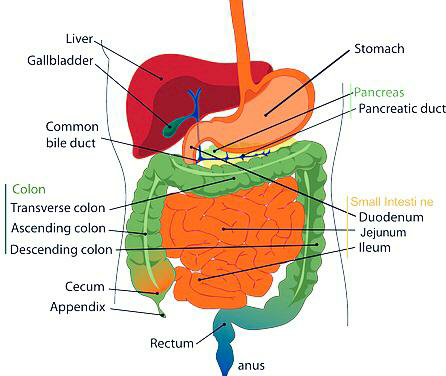
Hence, the correct answer is option (A).
Note: Not only kidneys but lungs, liver, and skin also help to excrete wastes from the body. Lungs help to excrete out carbon dioxide and some water. Liver, other than performing ornithine cycle, secretes bilirubin, biliverdin, cholesterol drugs, some vitamins, and degraded steroid hormones. Sweat contains some urea, lactic acid, and NaCl.
Complete answer: The elimination of metabolic waste or the waste accumulated by excess ingestion, across the cell membrane is termed as excretion in which waste products formed due to catabolism of glucose, fatty acids, amino acids, and glycerol are thrown out.
The wastes generated are usually nitrogenous wastes. There are three kinds of nitrogenous wastes; ammonia, urea, and uric acid. Ammonia is the most toxic nitrogenous waste, urea is moderately toxic and uric acid is the least toxic nitrogenous waste.
The organisms which excrete out ammonia are called ammonotelic. Many bony fishes, aquatic insects, and aquatic amphibians are ammonotelic. Ammonia requires a maximum amount of water, therefore this form of excretion is found only in aquatic animals.
The organisms which excrete out uric acid are called uricotelic. This uric acid is excreted in the form of paste or pellet. Reptiles, birds, land snails, and insects are uricotelic organisms.
The organisms which excrete out nitrogenous wastes in the form of urea are called ureotelic organisms and the excretion is called ureotelism. Marine cartilaginous fishes, mammals, and terrestrial amphibians are ureotelic.
In humans, first, most toxic ammonia is formed in the body due to catabolism and other metabolic activities and then it is converted to less toxic urea in the liver by the Ornithine cycle.
The ornithine cycle is an example of detoxification and this cycle was first described by Hansient and Kreb. This cycle is incomplete in the absence of some amino acids like ornithine and aspartic acid.
For the synthesis of one mole of urea from the ornithine cycle, there is a need for 2 moles of ammonia, 1 mole of carbon dioxide, 3 moles of ATP, 1 mole of aspartic acid (amino acid), and 1 mole of Ornithine amino acid.
In this cycle, ornithine is converted to citrulline and then citrulline is converted to arginine. The arginine thus formed is then split into urea and ornithine. Hence ornithine is regenerated to ensure a continuous cycle without any interruption.
The urea thus formed from this cycle is put into the blood and then this blood undergoes filtration in the kidney to produce urine, hence excreting out urea from the body. On average about 25 – 30 gms of urea is excreted out by a healthy person a day.
Hence, the correct answer is option (A).
Note: Not only kidneys but lungs, liver, and skin also help to excrete wastes from the body. Lungs help to excrete out carbon dioxide and some water. Liver, other than performing ornithine cycle, secretes bilirubin, biliverdin, cholesterol drugs, some vitamins, and degraded steroid hormones. Sweat contains some urea, lactic acid, and NaCl.
Recently Updated Pages
Basicity of sulphurous acid and sulphuric acid are

Master Class 11 English: Engaging Questions & Answers for Success
Master Class 11 Physics: Engaging Questions & Answers for Success
Master Class 11 Computer Science: Engaging Questions & Answers for Success
Master Class 11 Chemistry: Engaging Questions & Answers for Success
Master Class 11 Social Science: Engaging Questions & Answers for Success
Trending doubts
Difference Between Prokaryotic Cells and Eukaryotic Cells
One Metric ton is equal to kg A 10000 B 1000 C 100 class 11 physics CBSE
Two of the body parts which do not appear in MRI are class 11 biology CBSE
Draw a diagram of nephron and explain its structur class 11 biology CBSE
10 examples of friction in our daily life
What will happen if the mucus is not secreted by the class 11 biology CBSE