




The following are the symptoms of Kwashiorkor and marasmus. Categorize them correctly: -
I. It is caused by the deficiency of protein in the diet
II. It is caused by the prolonged deficiency of protein and calories in the diet
III. It affects infants under one year of age
IV. It commonly affects babies between 1-3 years of age
V. Subcutaneous fat persists
VI. Subcutaneous fat is used up, making ribs very prominent
VII. Skin and hair change color
VIII. May caused due to lack of protein in mother milk
IX. No edema occurs
X. No change in skin and hair color
A. Kwashiorkor – I, IV, V, VII, VIII. Marasmus – II, III, VI, IX, X
B. Kwashiorkor – I, II, V, VIII, IX. Marasmus – III, IV, VII, X
C. Kwashiorkor – II, III, VI, IX, X. Marasmus – I, IV, V, VI, VIII
D. Kwashiorkor – III, IV, VII, X. Marasmus – I, II, V, VI, VIII, IX
Answer
 Verified
609.9k+ views
Hint: Kwashiorkor and marasmus are disorders related to malnutrition. Kwashiorkor is caused by a deficiency of protein in the diet, mostly affecting infants under 1 year of age who do not receive sufficient protein from their mother's milk. Some symptoms include swelling of ankles and abdomen, change in color of skin and hair, etc.
Marasmus is caused by low caloric and protein intake in the diet. It commonly affects children between the ages of 1 and 3. Symptoms include loss of fatty tissue from the face and body. Very similar to kwashiorkor but differ in the fact that no edema or changes to hair and skin are found.
Step by step answer:Kwashiorkor and marasmus are disorders concerned with malnutrition. Both these disorders are very similar yet possess certain contrasting symptoms. It majorly affects people during a famine and is seen in Africa, Asia, etc.
Kwashiorkor is a condition that occurs due to low protein intake but sufficient caloric intake, which causes the body to develop edemas on the hands, ankles, and the abdomen, giving a swollen feature to the body. This is caused in infants under the age of 1 who do not receive sufficient protein from their mother breast milk. Lack of protein also causes dermatitis and changes both the color of skin and hair.
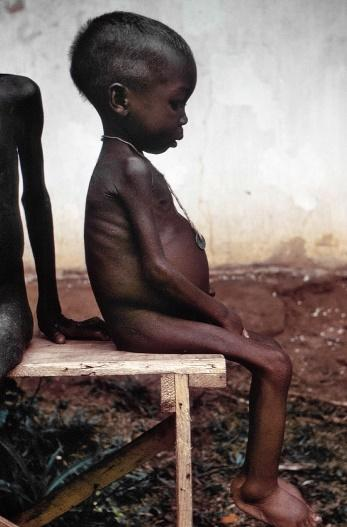
Marasmus on the other hand is a condition caused by an overall lack of nutrients, including protein. This tends to affect children between the ages of 1 and 3. Unlike kwashiorkor, marasmus does not cause swelling or edema formation nor dermatitis. But can cause the complete usage of body fat, especially within the face, giving a stick-like appearance to the entire body.
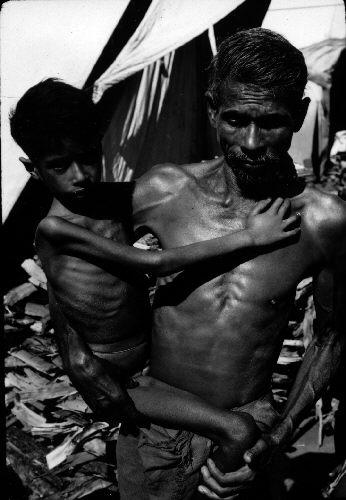
Marasmus and kwashiorkor can be prevented by slow refeeding and treating conditions of hypoglycemia, dehydration, maintaining electrolyte balance, and much more.
Therefore, the correct answer would be option A
Note: Kwashiorkor is a condition where only protein is deficient within the diet and can even occur if there was sufficient caloric intake. Marasmus is an overall lack of nutrition, caused by the deficiency of protein and other biomolecules. Both are differentiated by the symptom of edema formation which is only seen in kwashiorkor. Sometimes clinical evidence is insufficient to diagnose it separately and is called kwashiorkor marasmus.
Marasmus is caused by low caloric and protein intake in the diet. It commonly affects children between the ages of 1 and 3. Symptoms include loss of fatty tissue from the face and body. Very similar to kwashiorkor but differ in the fact that no edema or changes to hair and skin are found.
Step by step answer:Kwashiorkor and marasmus are disorders concerned with malnutrition. Both these disorders are very similar yet possess certain contrasting symptoms. It majorly affects people during a famine and is seen in Africa, Asia, etc.
Kwashiorkor is a condition that occurs due to low protein intake but sufficient caloric intake, which causes the body to develop edemas on the hands, ankles, and the abdomen, giving a swollen feature to the body. This is caused in infants under the age of 1 who do not receive sufficient protein from their mother breast milk. Lack of protein also causes dermatitis and changes both the color of skin and hair.
Marasmus on the other hand is a condition caused by an overall lack of nutrients, including protein. This tends to affect children between the ages of 1 and 3. Unlike kwashiorkor, marasmus does not cause swelling or edema formation nor dermatitis. But can cause the complete usage of body fat, especially within the face, giving a stick-like appearance to the entire body.
Marasmus and kwashiorkor can be prevented by slow refeeding and treating conditions of hypoglycemia, dehydration, maintaining electrolyte balance, and much more.
Therefore, the correct answer would be option A
Note: Kwashiorkor is a condition where only protein is deficient within the diet and can even occur if there was sufficient caloric intake. Marasmus is an overall lack of nutrition, caused by the deficiency of protein and other biomolecules. Both are differentiated by the symptom of edema formation which is only seen in kwashiorkor. Sometimes clinical evidence is insufficient to diagnose it separately and is called kwashiorkor marasmus.
Recently Updated Pages
Master Class 11 Social Science: Engaging Questions & Answers for Success

Master Class 11 English: Engaging Questions & Answers for Success
Master Class 11 Maths: Engaging Questions & Answers for Success
Master Class 11 Chemistry: Engaging Questions & Answers for Success
Master Class 11 Biology: Engaging Questions & Answers for Success
Master Class 11 Physics: Engaging Questions & Answers for Success
Trending doubts
One Metric ton is equal to kg A 10000 B 1000 C 100 class 11 physics CBSE
Difference Between Prokaryotic Cells and Eukaryotic Cells
How many of the following diseases can be studied with class 11 biology CBSE
Two of the body parts which do not appear in MRI are class 11 biology CBSE
Which of the following enzymes is used for carboxylation class 11 biology CBSE
Explain zero factorial class 11 maths CBSE