




The enzyme RuBisCo is located inside.
(a) Peroxisomes
(b) Mitochondria
(c) Golgi Bodies
(d) Chloroplasts
Answer
 Verified
612.9k+ views
Hint: The enzyme RuBisCo is present in all autotrophic organisms and all autotrophic organisms have this particular type of plastid in which they trap sunlight and use it with the combination of water and carbon dioxide to produce organic molecules from simpler raw materials.
Complete Step by Step answer:
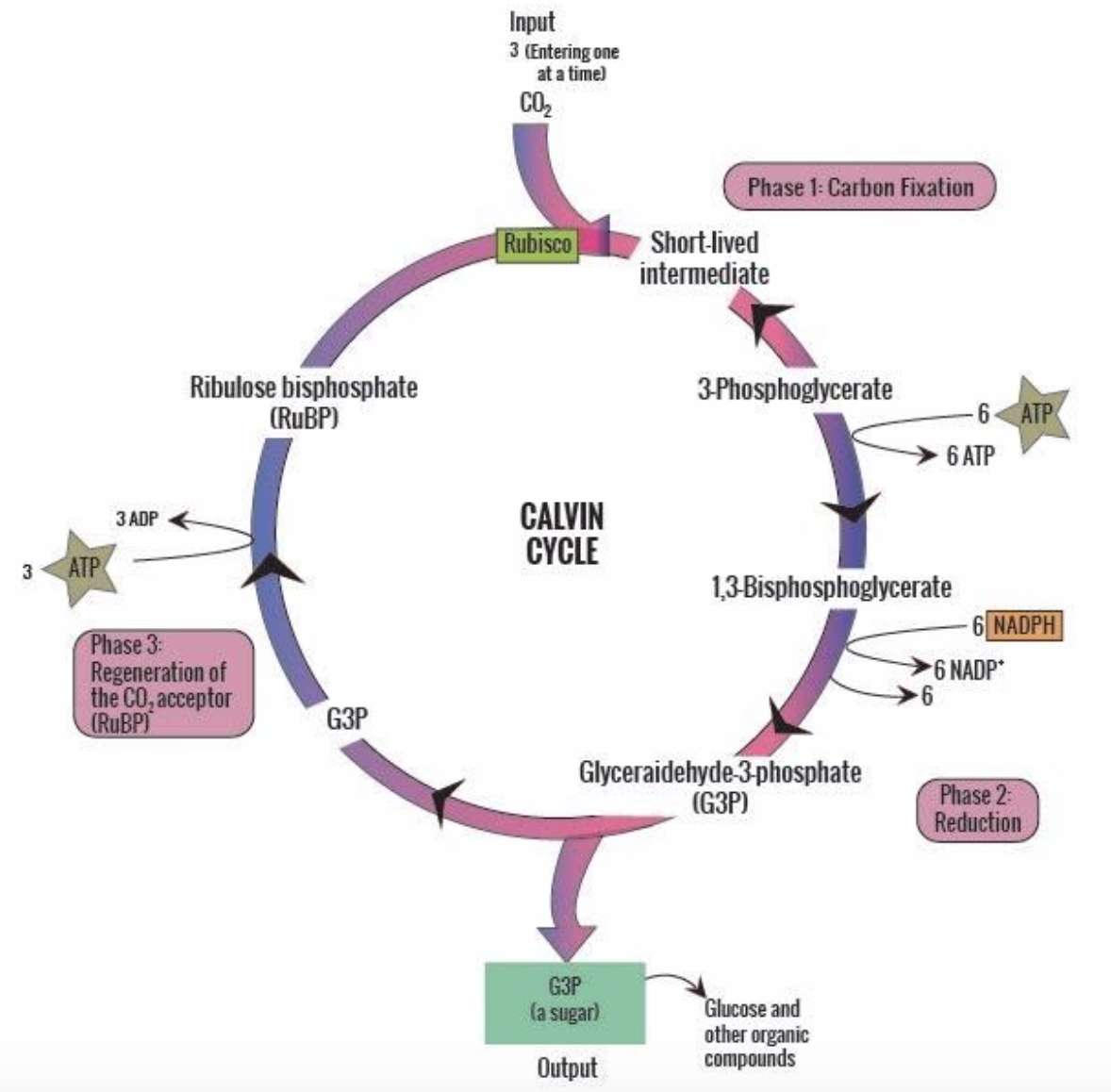
Let us take a look at the first option given which is the Peroxisome. The peroxisome is indulged in various kinds of biochemical pathways which tend to occur in different types of cells of the plants. Peroxisomes, through an enzyme called the catalase, decomposes down hydrogen peroxide into water. Mitochondria are the membrane- bound organelles, termed as the powerhouse of the cell. It mainly concentrates on storing energy. Golgi bodies which are also termed as Golgi apparatus are a type of organelle which concentrates on packing the lipids and proteins and transport them out of the cell. The last option is the chloroplast. The chloroplast is present in almost all autotrophic organisms, and this plastid is responsible for making food for the plants through photosynthesis and RuBisCo in (C3) plants present inside the chloroplasts and helps in catalyzing carbon reduction during photosynthesis.
Additional Information:
- Membrane-bound organelles are present in the eukaryotic cells only, else all the prokaryotic cells used to consist of membrane-less organelles.
- Golgi apparatus consists of numerous sac-like structures which are called the cisternae. Their main work includes transportation of lipids and proteins after packing them into the vesicles.
- Golgi apparatus are always located near to the endoplasmic reticulum and the nucleus. It has three faces, viz., the cis, medial and trans.
- Peroxisomes consist of fifty varieties of enzymes. They are also involved in the biosynthesis of lipids. Two major functions are provided by the peroxisomes. They convert the fatty acids which are stored in the seeds into carbohydrates which provides a critical step in the growth of the plant.
- Photorespiration, in the leaves is also due to the presence of peroxisomes which converts the produced carbon dioxide during the process of photosynthesis into carbohydrates through the Calvin cycle.
So, the correct answer is, “Chloroplasts”.
Note:
- RuBisCo mainly takes part in carbon dioxide fixation which takes place during photosynthesis. Also, you will have to know the full form of RuBisCo which is an abbreviation of Ribulose- 1,5- bisphosphate carboxylase oxygenase.
- You must also know that Calvin Cycle and theC3 cycle are synonymous, and either of the names can be given in the questions, hence you must be familiar with the cycle as well as the names.
Complete Step by Step answer:
Let us take a look at the first option given which is the Peroxisome. The peroxisome is indulged in various kinds of biochemical pathways which tend to occur in different types of cells of the plants. Peroxisomes, through an enzyme called the catalase, decomposes down hydrogen peroxide into water. Mitochondria are the membrane- bound organelles, termed as the powerhouse of the cell. It mainly concentrates on storing energy. Golgi bodies which are also termed as Golgi apparatus are a type of organelle which concentrates on packing the lipids and proteins and transport them out of the cell. The last option is the chloroplast. The chloroplast is present in almost all autotrophic organisms, and this plastid is responsible for making food for the plants through photosynthesis and RuBisCo in (C3) plants present inside the chloroplasts and helps in catalyzing carbon reduction during photosynthesis.
Additional Information:
- Membrane-bound organelles are present in the eukaryotic cells only, else all the prokaryotic cells used to consist of membrane-less organelles.
- Golgi apparatus consists of numerous sac-like structures which are called the cisternae. Their main work includes transportation of lipids and proteins after packing them into the vesicles.
- Golgi apparatus are always located near to the endoplasmic reticulum and the nucleus. It has three faces, viz., the cis, medial and trans.
- Peroxisomes consist of fifty varieties of enzymes. They are also involved in the biosynthesis of lipids. Two major functions are provided by the peroxisomes. They convert the fatty acids which are stored in the seeds into carbohydrates which provides a critical step in the growth of the plant.
- Photorespiration, in the leaves is also due to the presence of peroxisomes which converts the produced carbon dioxide during the process of photosynthesis into carbohydrates through the Calvin cycle.
So, the correct answer is, “Chloroplasts”.
Note:
- RuBisCo mainly takes part in carbon dioxide fixation which takes place during photosynthesis. Also, you will have to know the full form of RuBisCo which is an abbreviation of Ribulose- 1,5- bisphosphate carboxylase oxygenase.
- You must also know that Calvin Cycle and theC3 cycle are synonymous, and either of the names can be given in the questions, hence you must be familiar with the cycle as well as the names.
Recently Updated Pages
Master Class 11 English: Engaging Questions & Answers for Success

Master Class 11 Social Science: Engaging Questions & Answers for Success
Master Class 11 Maths: Engaging Questions & Answers for Success
Master Class 11 Biology: Engaging Questions & Answers for Success
Master Class 11 Physics: Engaging Questions & Answers for Success
Master Class 11 Chemistry: Engaging Questions & Answers for Success
Trending doubts
One Metric ton is equal to kg A 10000 B 1000 C 100 class 11 physics CBSE
Difference Between Prokaryotic Cells and Eukaryotic Cells
1 ton equals to A 100 kg B 1000 kg C 10 kg D 10000 class 11 physics CBSE
Find the value of the expression given below sin 30circ class 11 maths CBSE
Two of the body parts which do not appear in MRI are class 11 biology CBSE
What are hard magnetic materials class 11 physics CBSE